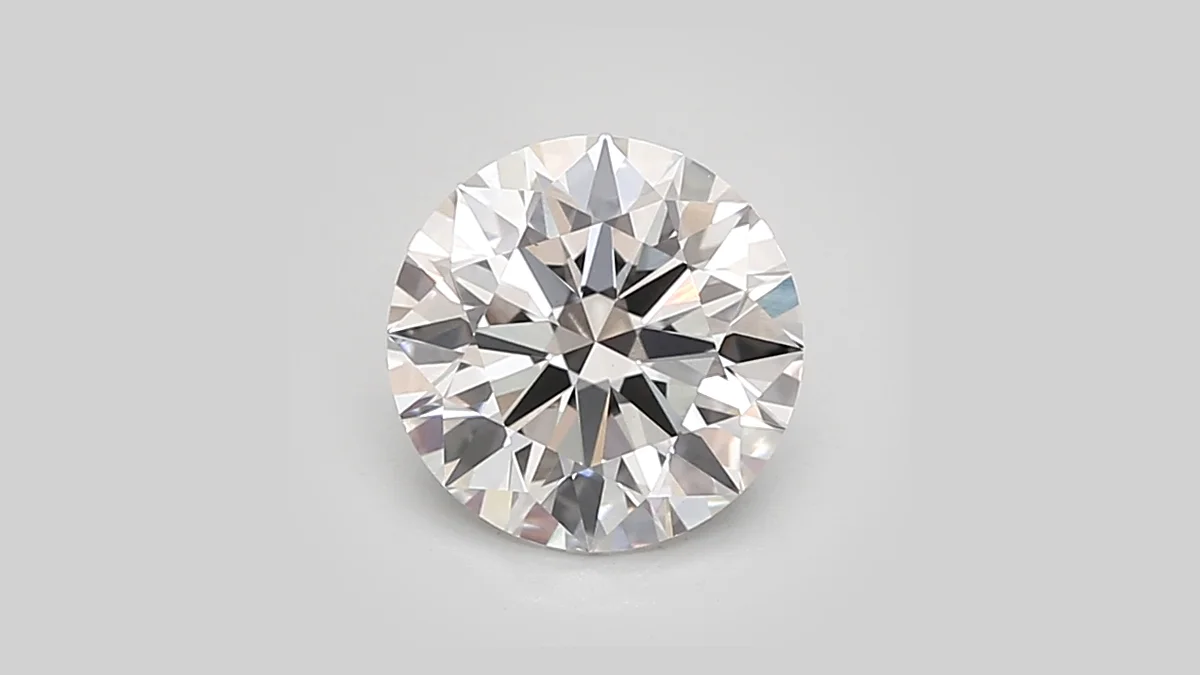
A grading report is how a diamond gets priced, sold and resold, so every buyer in the chain needs to read one well. Guru Diam's certified diamonds carry IGI or GIA reports, and we also offer GCAL certification for lab-grown diamonds. We keep 10,000+ IGI and GIA certified diamonds in stock.
This hub follows the report itself. The certification section explains what IGI, GIA and GCAL each grade, how to read a report, and how to check a report number with the lab. The color and clarity sections go through the scales grade by grade, from D to M color and from FL to I1 clarity, with notes on where the differences show once a diamond is set. The cut section covers cut grades, proportions, light performance and fluorescence.
Lab-grown basics have their own section. Our lab-grown production is primarily CVD, and the CVD vs HPHT article explains how the two growth methods differ. Other articles cover FTC disclosure rules, how lab-grown compares with moissanite and simulants, and how treatments such as laser drilling have to be disclosed.
For buying decisions, the color articles compare neighboring grades such as D vs E and E vs F, and explain lower colors such as J, K, L and M, which can suit warm metals and vintage looks. The clarity articles go from VVS1 down to I1, with a separate article on what eye clean means in practice. The cut articles explain ideal, super ideal and triple excellent cuts, and what a hearts and arrows pattern shows. For lab-grown buyers, the articles on how lab-grown diamonds are certified and on GIA certified lab-grown diamonds explain what changes on the report when a diamond is grown rather than mined. If you're new to grading, start with the 4Cs article and the grading chart, then read the report guide.
Buying center diamonds for engagement rings? See certified loose lab-grown diamonds wholesale for bridal jewelers.
Shop certified diamonds
Certified lab-grown diamonds · Natural certified diamonds · How it works · Education · FAQ
Start here: reading a diamond report
- How to Read IGI GIA Diamond Certificate: Every field on an IGI or GIA report and what it tells a buyer.
- IGI vs GIA Lab Grown Diamond Certification: How the two labs compare for lab-grown diamonds.
- GCAL vs GIA Guide: What a GCAL report covers next to GIA.
- GIA Report Check Verification Guide: Checking a report number with the lab before you buy or sell.
- CVD vs HPHT Lab Grown Diamonds: The two lab-grown growth methods and how they differ.
- Diamond Color Chart Guide: The D to Z color scale, grade by grade.
- Diamond Clarity Chart Guide: Clarity grades from FL to I1 and what each allows.
- FTC Lab Grown Diamond Disclosure Rules: What the FTC requires when you sell lab-grown diamonds.
- L Color Diamond Guide: What L color looks like and when it works.
Lab-grown diamond basics: CVD, HPHT and disclosure
- Cubic Zirconia vs Diamond Guide
- CVD vs HPHT Lab Grown Diamonds
- Disadvantages of Lab Grown Diamonds Guide
- Do Lab Grown Diamonds Hold Value Guide
- FTC Lab Grown Diamond Disclosure Rules
- How Colored Lab Grown Diamonds are Made
- How to Spot a Fake Diamond
- Irradiated Diamond Guide
- Is Lab Grown Diamonds Real or Fake Guide
- Lab Grown Diamond vs Moissanite Guide
- Laser Drilled Diamond Wholesale Guide
- Natural Diamond vs Synthetic Diamond
- Simulated Diamond vs Lab Grown Guide
- What does LGD Mean
- What is a CVD Diamond
- What is a Lab Grown Diamond
Diamond cut, proportions and fluorescence
- 4Cs of Diamonds Guide
- Diamond Anatomy Guide
- Diamond Cut Chart Guide
- Diamond Cut Grades Guide
- Diamond Fluorescence Guide
- Diamond Grading Chart Guide
- Diamond Hardness Mohs Scale Guide
- Diamond Light Performance Guide
- Diamond Polishing Process Guide
- Diamond Proportions Guide
- Diamond Recutting Guide
- Diamond Scintillation Guide
- Diamond Sparkle Guide
- Diamond Windowing Guide
- Excellent vs Very Good Cut Diamond Guide
- Faint Fluorescence Diamond Guide
- Hearts and Arrows Diamond Guide
- Ideal Cut Diamond Guide
- Medium Fluorescence Diamond Guide
- Strong Blue Fluorescence Diamond Guide
- Super Ideal Cut Diamond
- Triple Excellent Diamond Guide
- What is Diamond Culet
- What is Diamond Girdle
Diamond clarity grades
- Clarity Enhanced Diamond Wholesale Guide
- Diamond Blemishes Guide
- Diamond Clarity Chart Guide
- Diamond Inclusion Types Guide
- Eye Clean Diamond Guide
- Flawless Diamond FL IF Clarity Guide
- I1 Clarity Diamond Guide
- Included Diamond Guide
- Milky Diamond Guide
- SI1 Clarity Diamond Guide
- SI2 Clarity Diamond Guide
- VS1 Clarity Diamond Guide
- VS2 Clarity Diamond Guide
- VVS Clarity Diamond Guide
- VVS1 Clarity Diamond Guide
Diamond certification: IGI, GIA and GCAL
- AGS Diamond Grading Guide
- American Gem Society Guide
- Certified Natural Diamonds Buying Guide
- Diamond Graders Guide
- Diamond Grading Services Guide
- Diamond Laser Inscription Guide
- GCAL vs GIA Guide
- GIA Certified Diamond Jewelry Guide
- GIA Certified Lab Grown Diamonds Guide
- GIA Certified Natural Diamonds Guide
- GIA Diamond Report Guide
- GIA IGI Certified Lab Grown Diamonds Wholesale Sourcing
- GIA Report Check Verification Guide
- How are Lab Grown Diamonds Certified
- How to Read IGI GIA Diamond Certificate
- IGI vs GIA Lab Grown Diamond Certification
- Natural Diamond Grading Report Guide
- What does GIA Stand for
- What is a Diamond Certificate Guide
- What is IGI Diamond Certification
- Conflict-Free Diamonds: A Sourcing Overview
- Ethically Sourced Diamonds Guide
Diamond color grades
- D Color vs E Color Diamond Guide
- Diamond Color Chart Guide
- Diamond Color Scale Guide
- E Color vs F Color Diamond Guide
- J Color Diamond Guide
- K Color Diamond Guide
- L Color Diamond Guide
- Lab Grown Diamond Color Clarity Cut Chart Wholesale
- M Color Diamond Guide
Diamond grading questions from the trade
Which labs certify Guru Diam diamonds?
Our certified diamonds come with IGI or GIA reports. We also offer GCAL certification for lab-grown diamonds. GCAL is not used for natural diamonds.
How do I verify a grading report?
Enter the report number on the issuing lab's website. IGI and GIA both offer free online report checks, and the result should match the report you were given.
Are your lab-grown diamonds CVD or HPHT?
Our lab-grown production is primarily CVD, and our lab-grown melee is CVD Type IIa.
Do I have to tell customers a diamond is lab-grown?
Yes. FTC guidance says lab-grown diamonds must be clearly described with a qualifier such as laboratory-grown or laboratory-created when you market or sell them. Our FTC article covers the wording.
What does L color mean?
L is in the faint range of the D to Z color scale. It shows a warm tint face up, which some buyers want for yellow gold or vintage designs.
Next step
Browse IGI and GIA certified diamonds or open a trade account.