How to Read a Diamond Color Chart
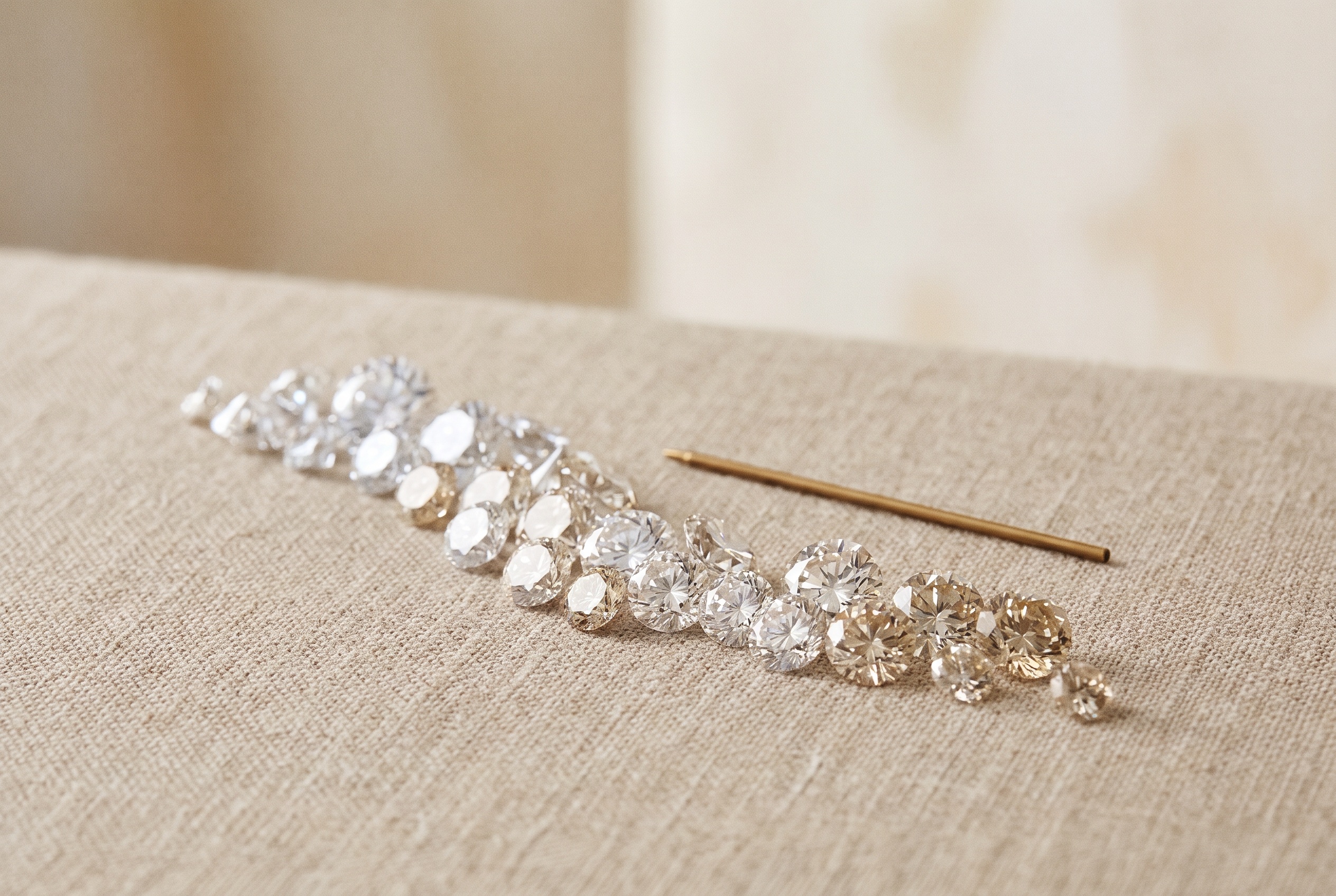
A diamond color chart is the visual reference tool — usually a printed or digital strip running D through Z — that lets buyers compare a diamond's
Expert articles on lab-grown diamonds, wholesale sourcing strategies, and the latest trends shaping the jewelry industry.
A diamond color chart is the visual reference tool — usually a printed or digital strip running D through Z — that lets buyers compare a diamond's
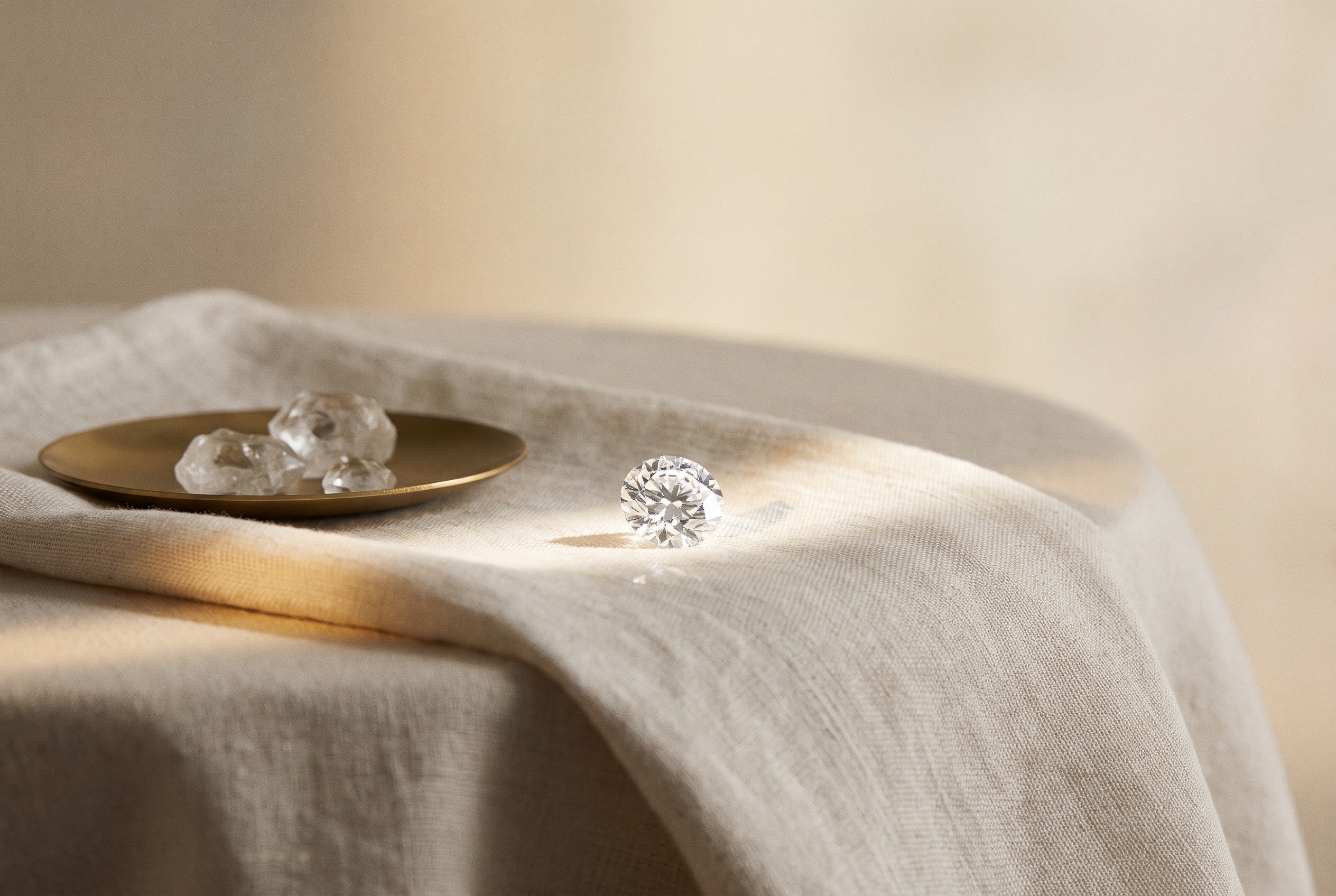
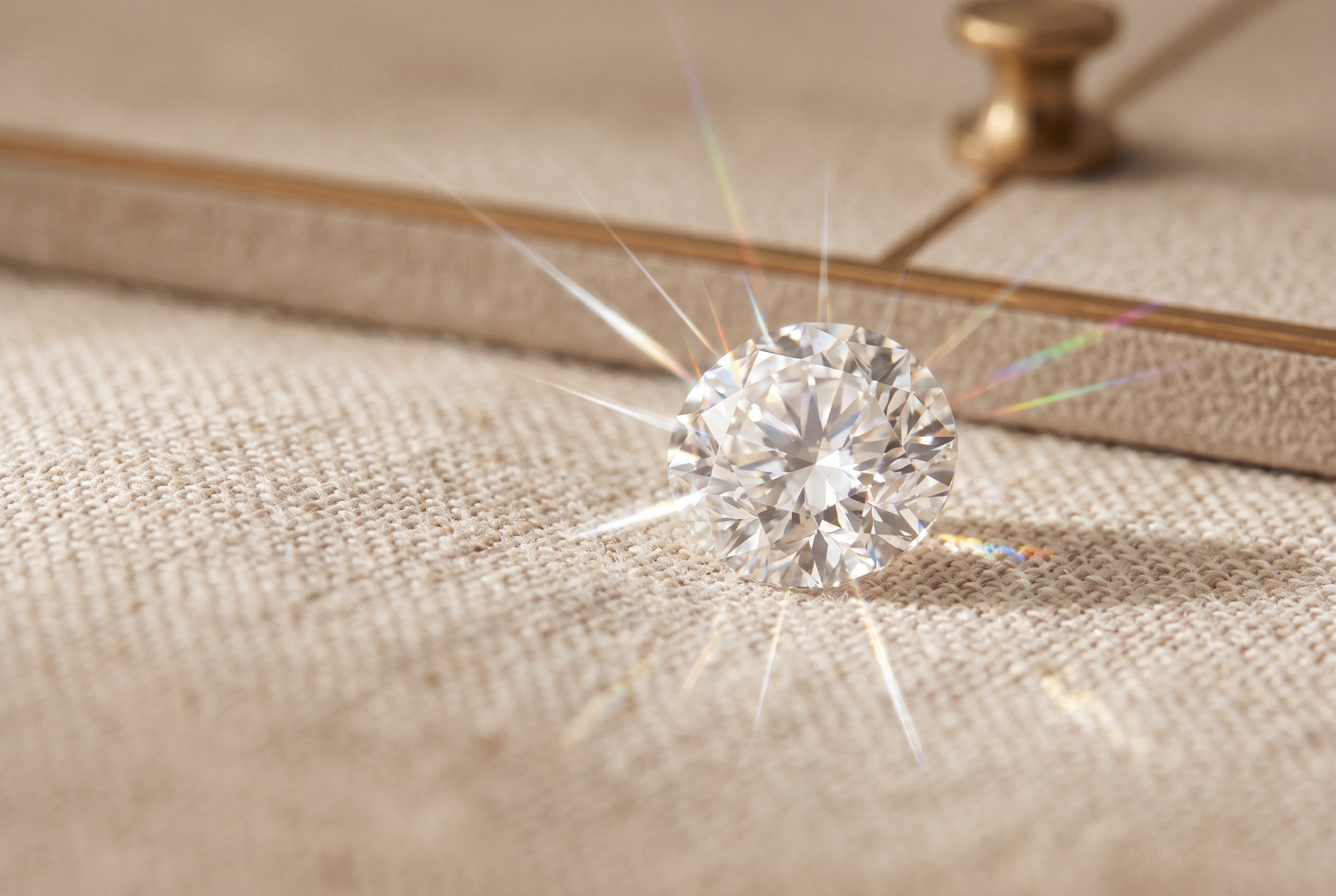
A diamond's sparkle is the combined result of three separate optical effects — brilliance (white light reflecting back to the eye).
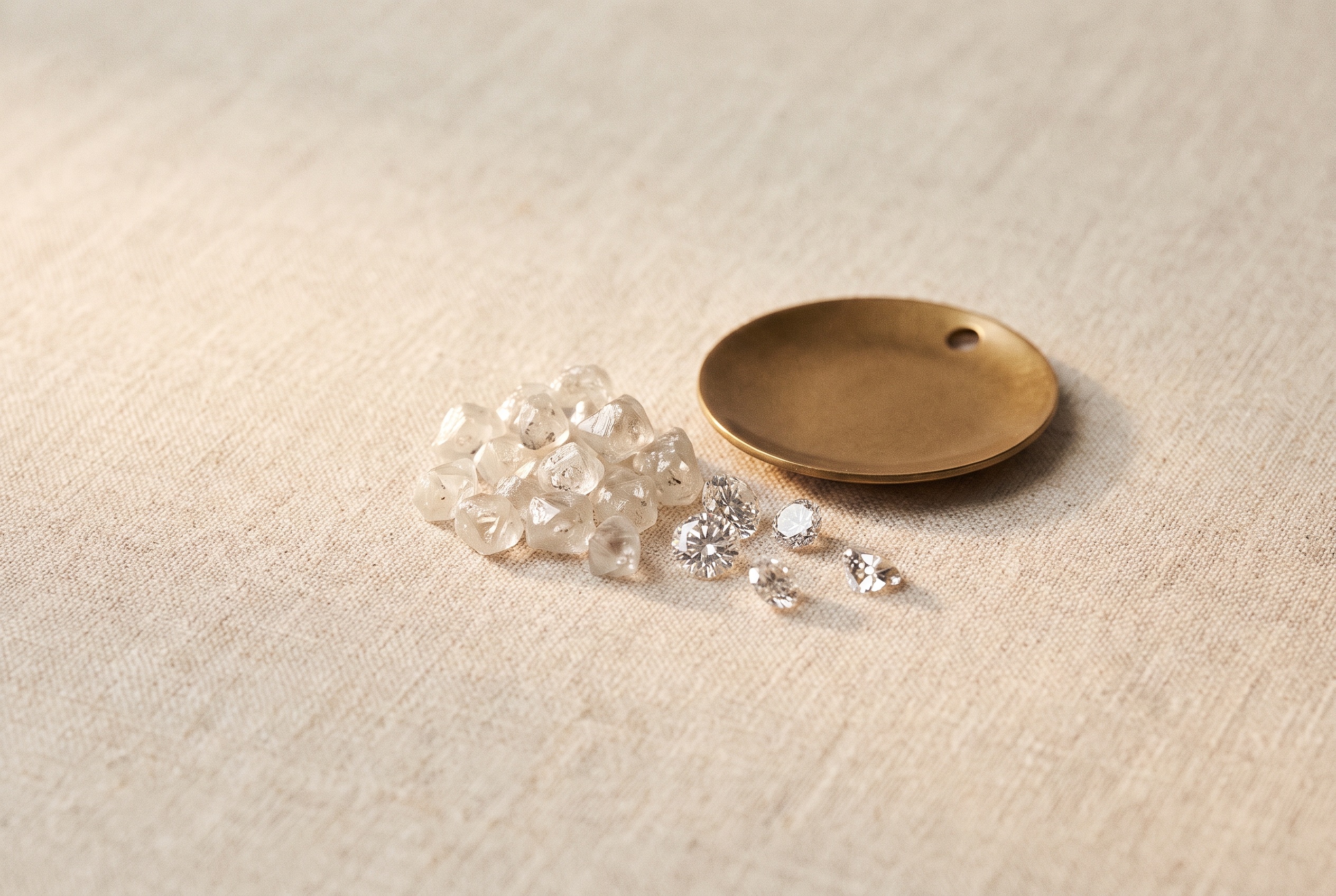
A lab-grown diamond is a real diamond — chemically, physically, and optically identical to a mined diamond — grown in a controlled laboratory environment.
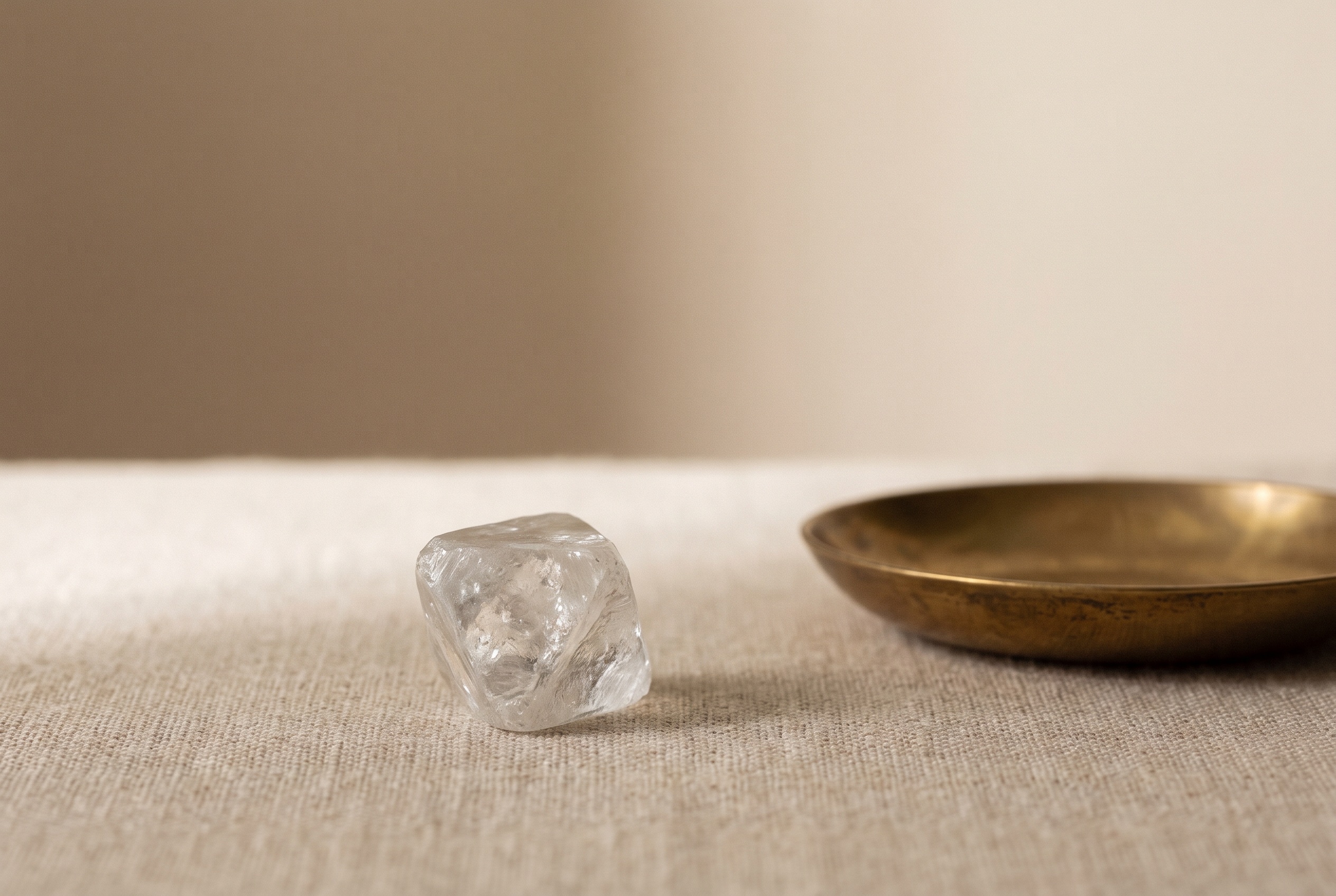
A raw diamond — also called a rough diamond — is a diamond crystal in the state it's found in nature or removed from a growth chamber, before any…
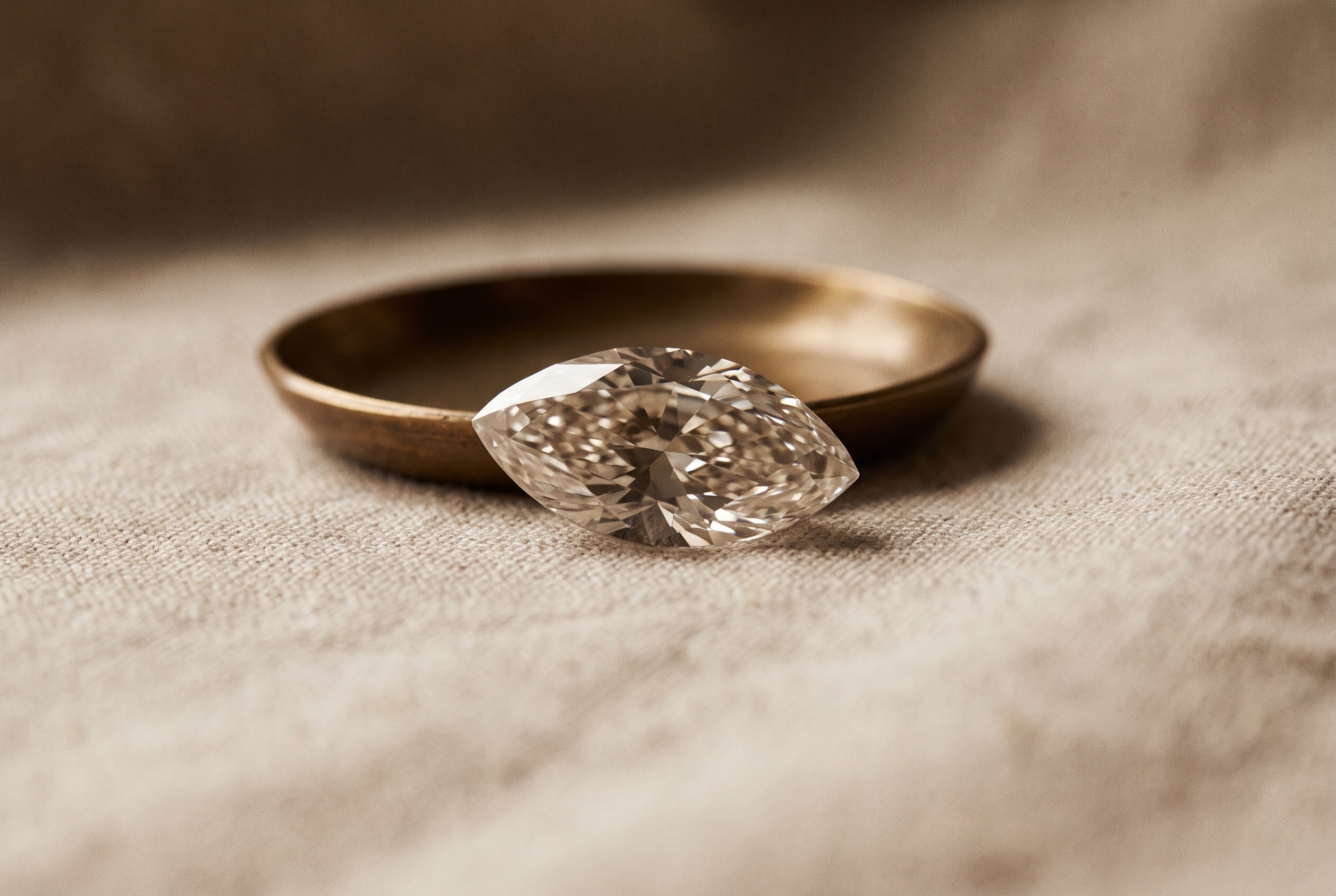
A marquise diamond is an elongated, boat-shaped cut with two pointed ends, typically featuring 56-58 facets and a length-to-width ratio between 1.75 and 2.25.
A conflict-free diamond is a natural diamond verified not to have originated from a region where diamond sales fund armed conflict against a...
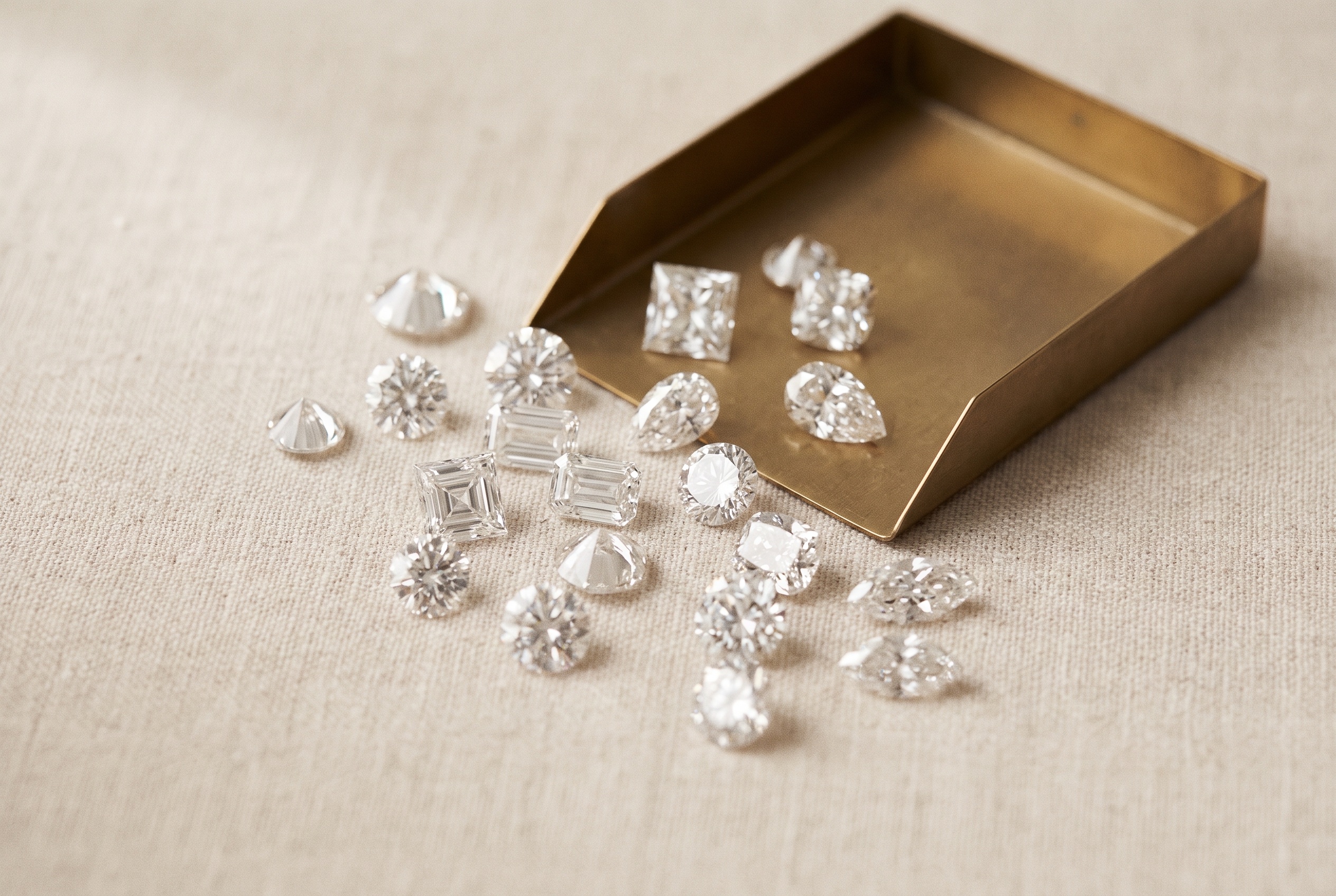
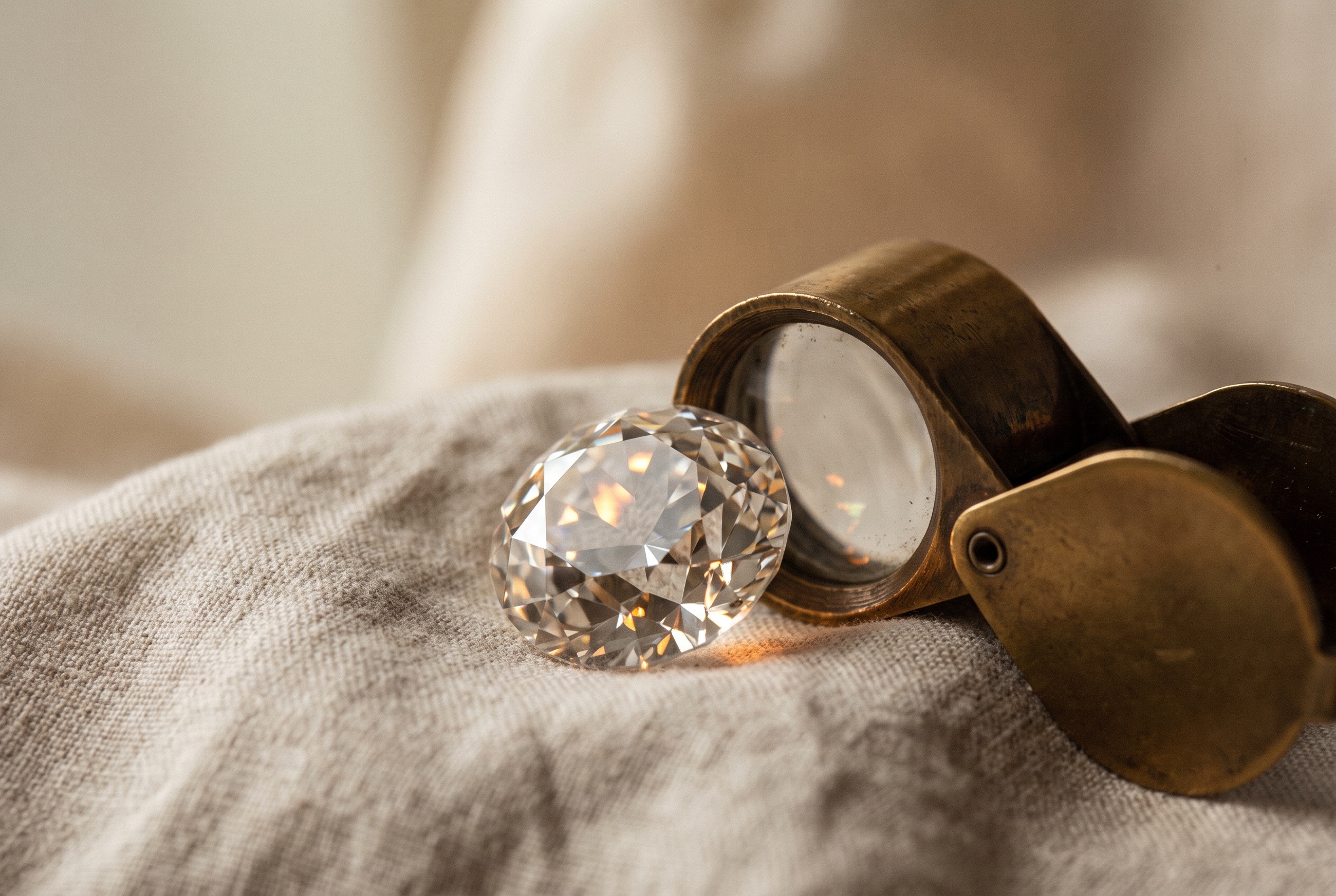
A diamond cut is the faceting style and outline a diamond is shaped into — round, cushion, emerald, old mine, and dozens of others.
An old European cut diamond is an antique diamond cut, popular roughly from the 1890s through the 1930s.
A loose diamond is a diamond that has been cut and polished but not yet set into a ring, pendant, or any other piece of jewelry — sold and handled as...