
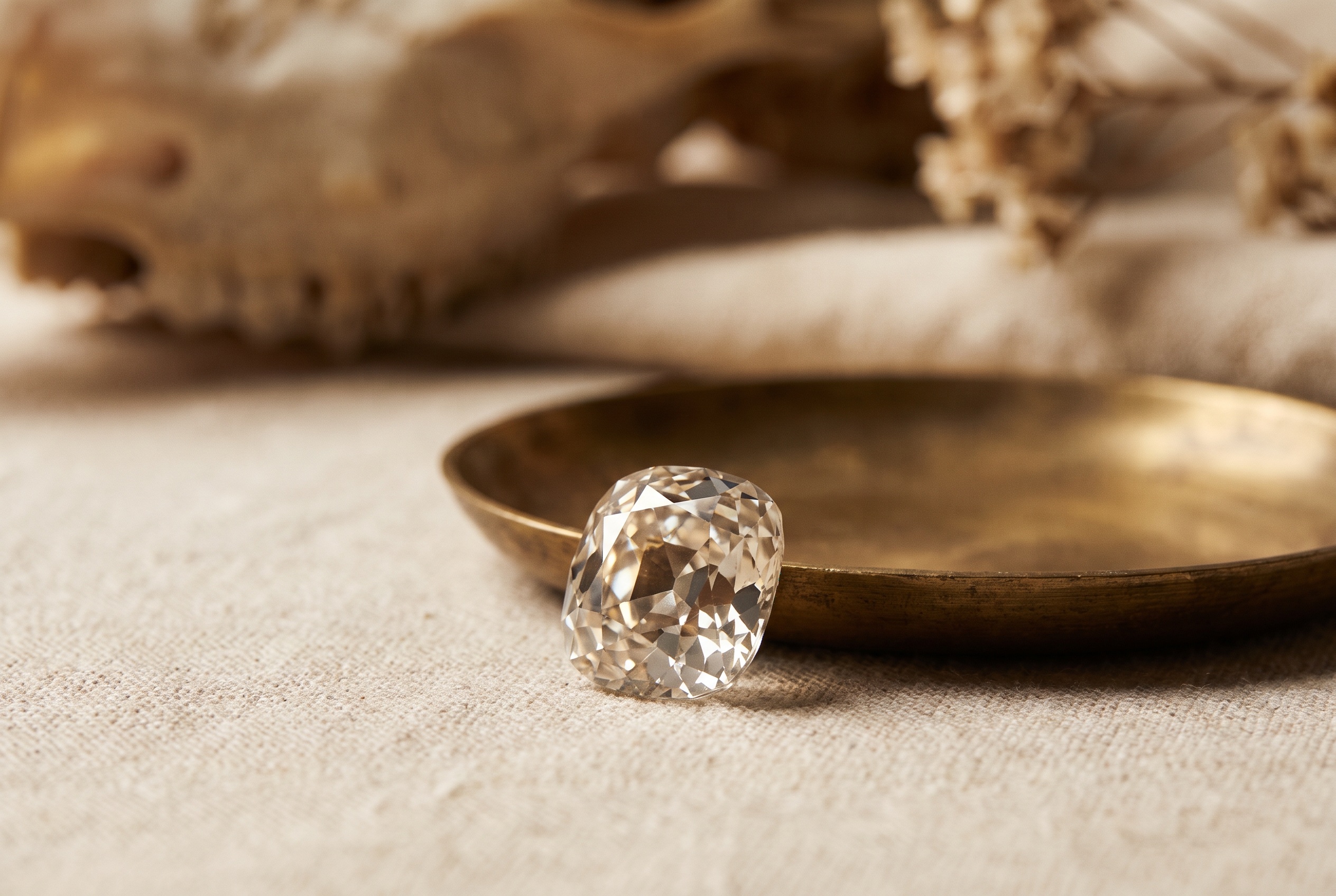
An old mine cut diamond is an antique diamond cut characterized by a squarish or cushion-shaped outline with rounded corners, a small table, a high crown, a deep pavilion, and a large culet — proportions that predate modern cut-optimization math and produce a warm, soft, candlelit glow rather than the sharp, high-contrast brilliance of a modern round brilliant. It was the dominant diamond cut style from roughly the 1830s through the early 1900s, cut by hand and by eye rather than by the mathematical angle calculations that define cuts today, and it has become one of the most sought-after antique cuts in fine jewelry for exactly the qualities that would be considered "flaws" by modern cut-grading standards.
Old mine cut diamonds are having a real moment — driven by antique and vintage-inspired engagement ring trends, a renewed appreciation for softer, less clinical light performance, and a broader shift toward pieces with visible character and history. But the category is also confusing to shop, because "old mine cut" gets used loosely to describe anything vaguely antique-looking, when it's actually a distinct cut with its own defined proportions, easily confused with its close cousin, the old European cut. This guide covers what genuinely defines an old mine cut, how it compares to old European and round brilliant, how to judge quality in an antique cut where "ideal proportions" don't apply the same way, and how to source or reproduce one.
What Defines an Old Mine Cut Diamond
The defining characteristics of an old mine cut, as distinct from other antique and modern round cuts, are:
- Squarish cushion outline — not perfectly round like a modern round brilliant, and not the more elongated rectangular cushion shape common today; old mine cuts have a distinctly squared silhouette with soft, rounded corners.
- Small table — the flat top facet is noticeably smaller relative to the stone's width than on a modern round brilliant, a byproduct of hand-cutting techniques and the priority on retaining rough weight over optimizing light return.
- High crown — the upper portion of the stone rises steeply, giving old mine cuts noticeable depth and dimension when viewed from the side, unlike the flatter profile of a modern brilliant.
- Deep, sometimes uneven pavilion — cut by eye rather than to precise angle calculations, meaning pavilion depth and facet symmetry can vary meaningfully from stone to stone, part of what gives each old mine cut a distinct individual character.
- Large culet — a noticeably larger flat facet at the bottom point than modern cuts allow, visible as a small flat "window" when viewing the stone table-down.
- 58 facets, matching the modern round brilliant facet count, but arranged and proportioned by hand rather than by formula.
Because old mine cuts were cut without the benefit of the angle science Marcel Tolkowsky would later formalize for the modern round brilliant, no two old mine cuts are identical — a genuine antique stone's asymmetry and individual proportions are part of what collectors and designers are specifically buying, not a flaw to be corrected.
A Brief History: Why Old Mine Cuts Look the Way They Do
The old mine cut gets its name from the mines it was originally cut from — most notably the Golconda mines in India and, later, Brazilian sources, in the era before large-scale South African diamond mining reshaped the global supply in the late 1800s. "Old mine" was a period term used to distinguish these earlier-sourced stones from newer material, and the cutting style of the time reflected both the tools available and the priorities of the era: cutters worked by hand, using oil lamps and candlelight as their primary light source, and prioritized retaining as much weight as possible from a piece of rough over maximizing light performance in the way a modern cutter would.
That combination — hand tools, dim ambient lighting to judge the cut by, and a weight-first mentality — produced the defining old mine characteristics almost by necessity rather than by aesthetic theory: a high crown and deep pavilion retained more of the rough's original weight than a shallower cut would, a small table was a natural byproduct of cutting facets by hand without precision angle tools, and a large culet served a practical purpose, reducing the risk of chipping the point of the stone during setting or wear, at a time when a damaged diamond was far harder to repair or replace than it is today. Understanding this origin is part of why old mine cuts read as authentic rather than simply "old-fashioned" — the proportions are a direct product of the historical cutting process, not a stylistic choice layered on top of a modern cut.
Old Mine Cut vs. Old European Cut: The Difference That Actually Matters
Old mine and old European cut are frequently confused, and the two get used almost interchangeably in casual conversation, but they're genuinely different cuts from different eras:
- Old mine cut (roughly 1830s–1900s) has a squarish cushion outline with visibly rounded corners and a small table — it's the earlier of the two styles.
- Old European cut (roughly 1890s–1930s) evolved from the old mine cut as cutters began working toward a rounder outline and slightly larger table, moving closer to what would eventually become the modern round brilliant, but still retaining the high crown, deep pavilion, large culet, and hand-cut irregularity that define antique cuts generally.
The simplest visual test: an old mine cut's outline reads as distinctly squared with rounded corners, while an old European cut's outline reads as essentially round, just with the same warm, deep, high-crown light performance as the old mine cut. Buyers specifically chasing a squared antique silhouette want old mine; buyers wanting a round antique-style stone with the same warm glow want old European.
Old Mine Cut vs. Round Brilliant: Two Different Kinds of Sparkle
Comparing an old mine cut to a modern round brilliant isn't really a quality comparison — it's a comparison of two different intended effects:
| Characteristic | Old Mine Cut | Modern Round Brilliant |
|---|---|---|
| Outline | Squarish cushion, rounded corners | Perfectly round |
| Table size | Small | Larger, optimized (54–62%) |
| Crown height | High | Moderate, calculated |
| Culet | Large, often visible | None to very small |
| Facet symmetry | Hand-cut, individually variable | Precision-cut, highly consistent |
| Light performance | Soft, warm flashes of light ("candlelight" effect), broad flashes | Maximum brilliance, fire, and scintillation, sharp pinpoint flashes |
| Best viewed under | Warm, ambient, or candlelight-style lighting | Any lighting, especially bright direct light |
| Character | Individual, antique, one-of-a-kind proportions | Consistent, standardized, mathematically optimized |
A modern round brilliant is engineered to throw sharp, high-contrast flashes of white light and rainbow fire under almost any lighting condition. An old mine cut, by contrast, produces broader, softer flashes and a warmer overall glow — often described as looking most alive under candlelight or warm ambient lighting, which is literally the kind of lighting antique cuts were originally cut to be seen under, before electric lighting became standard. Neither is objectively "better" — they're optimized for different aesthetics, and the choice comes down to the look a buyer wants rather than a quality hierarchy.
Why Old Mine Cuts Are in Demand Again
A few forces are driving renewed demand for old mine cut diamonds specifically:
- Vintage and antique-inspired engagement ring trends — buyers increasingly want pieces that read as heirloom-quality or period-accurate rather than uniformly modern, and an old mine cut is one of the most immediately recognizable signals of genuine antique character.
- A reaction against uniformity — modern cutting technology has made precisely-cut, highly consistent round brilliants widely available and relatively affordable; the individual variation of a hand-cut old mine cut has become a selling point precisely because it's the opposite of mass-produced consistency.
- The "candlelight" aesthetic — as warmer, softer, more romantic jewelry photography and styling has trended in engagement ring marketing generally, the specific light quality an old mine cut produces has become more visually appealing to buyers who might not have specifically sought it out a decade ago.
- Antique-cut availability from lab-grown production — old mine cut was historically hard to source because it depended on finding genuine antique stones or paying a premium for a modern cutter to hand-replicate the style; wider availability of antique-cut lab-grown diamonds has made the look accessible at a much broader range of price points.
Genuine Antique vs. Modern Reproduction: What "Old Mine Cut" Means Today
Most old mine cut diamonds sold today are not, in fact, diamonds that were physically cut in the 1800s — genuine period antique stones are increasingly rare, often carry provenance concerns, and typically sell through estate and auction channels rather than standard jewelry supply chains. The overwhelming majority of "old mine cut" diamonds available through wholesale and retail channels today are modern reproductions — diamonds cut recently, by hand or with modern tools set to replicate historical proportions, specifically to achieve the same squarish outline, small table, high crown, and warm light performance as a genuine period stone.
This distinction matters for buyers: a modern old-mine-cut reproduction offers the same visual character and light performance as a genuine antique stone, without the provenance uncertainty, availability constraints, or price premium that can come with a verified period piece — and it's available in both natural and CVD lab-grown material, which a genuine 1800s stone obviously never could be. Certificates for modern old mine cut reproductions from IGI, GIA, or GCAL will typically note the cut style specifically, distinguishing it from a standard round brilliant or cushion cut grading.
How to Judge Quality in an Old Mine Cut
Standard cut-grading criteria (the Excellent-to-Poor scale built around modern round brilliant proportions) don't map cleanly onto old mine cuts, since the entire point of the cut is proportions that would score poorly under modern optimization math. Judging an old mine cut's quality instead comes down to a different set of questions:
- Does it show the characteristic warm, broad light performance the cut is known for, rather than looking simply dark or lifeless? A well-executed old mine cut should still be visibly alive with light, just in a softer register than a round brilliant.
- Is the outline genuinely squared with rounded corners, rather than essentially round (which would make it an old European cut or a modern cushion, not a true old mine)?
- Is the culet reasonably centered, avoiding an off-center culet that can create uneven light distribution or a lopsided look face-up?
- Is the hand-cut asymmetry tasteful rather than extreme — some individual character is expected and desirable, but a well-executed old mine cut shouldn't look poorly made or unintentionally lopsided.
- Color and clarity, judged the same way as any diamond — the D-to-Z color scale and standard clarity grading still apply to old mine cuts exactly as they do to any other cut; only the cut-specific proportions and grading language differ.
Because old mine cut evaluation leans more on visual judgment and less on a standardized proportion scale than a round brilliant does, working with a supplier who can show real photos or video of the specific stone — rather than relying purely on a written spec — is especially useful for this category.
Old Mine Cut for Matched Pairs and Full Suites
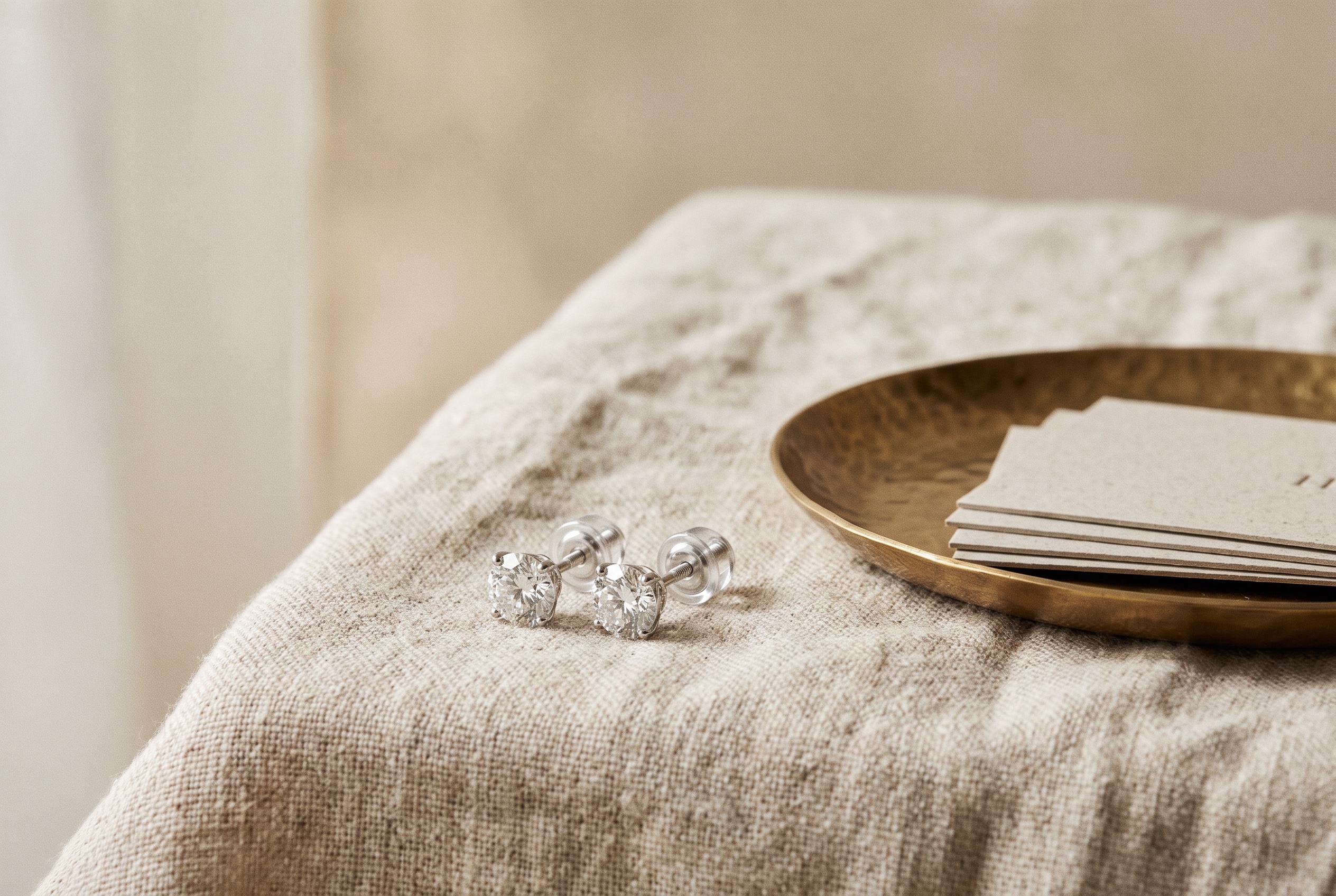
Because every old mine cut is individually hand-proportioned, sourcing a genuinely matched pair (for stud earrings or a three-stone ring) or a full matched suite is meaningfully harder than matching modern round brilliants, where consistent machine proportions make matching straightforward. A well-matched old mine cut pair requires finding two stones close enough in outline, table size, crown height, and overall proportions that they read as a cohesive set side by side — a task that benefits from sourcing through a supplier with enough old mine cut inventory on hand to actually compare candidates against each other, rather than sourcing two separate stones from two separate places and hoping they align.
Setting Styles That Suit Old Mine Cut Diamonds
Old mine cuts are frequently set in styles that echo their period origins or complement their warm light performance: bezel and collet settings (including button-back / Georgian-back closed-back collets, which frame the stone architecturally while letting light in from the sides), yellow gold and blackened-gold ("black rhodium over yellow gold") settings that play into the warm tone the cut already produces, and cluster or halo designs using old mine cut melee or smaller antique-cut side stones to extend the same aesthetic across a full piece. Because old mine cuts have a high crown and often a large culet, open or semi-open back settings that let light reach the pavilion from below tend to let the stone perform closer to its full potential compared to a fully enclosed setting.
Common Mistakes When Shopping for Old Mine Cut
A few recurring issues come up when buyers or even sellers use "old mine cut" loosely:
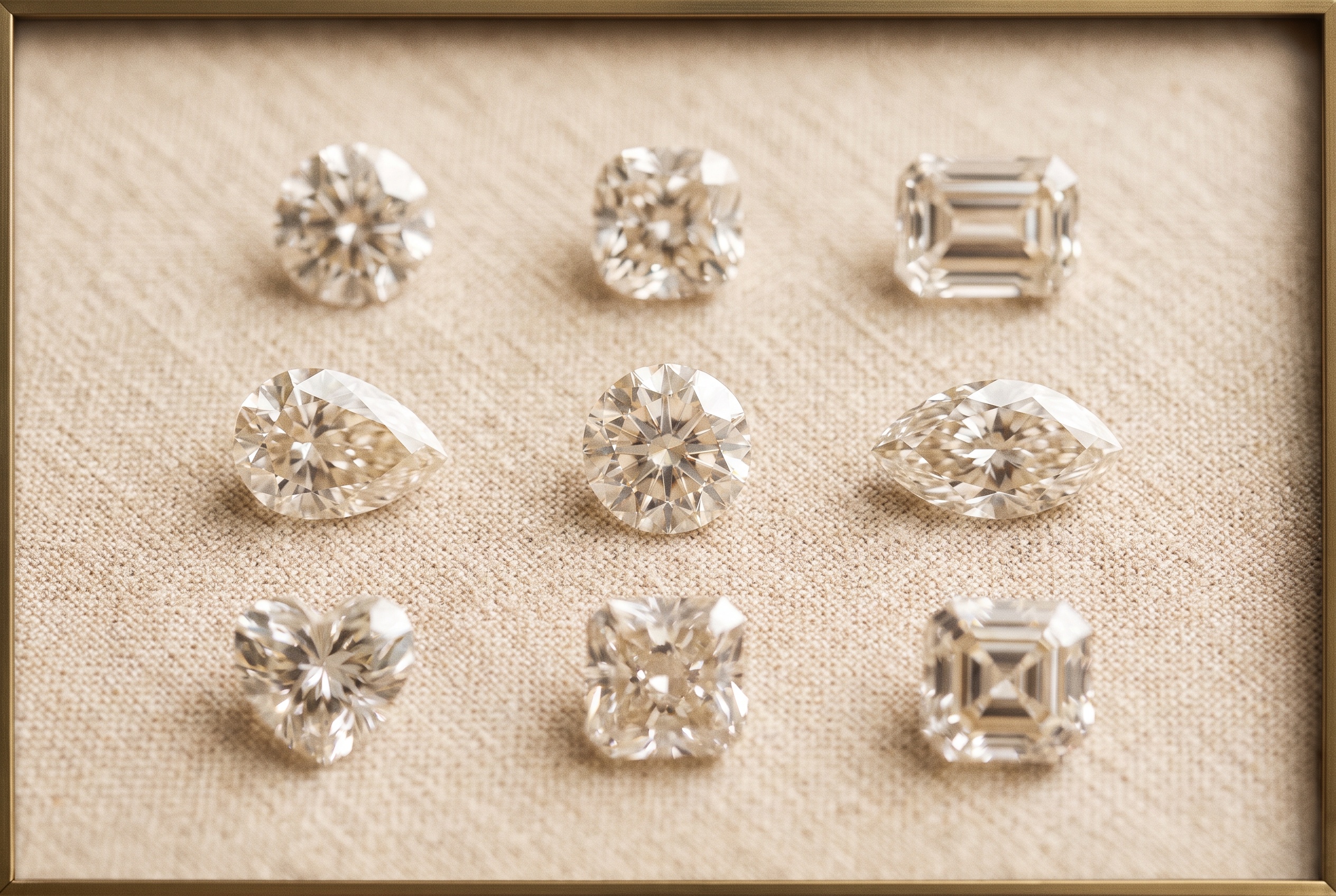
- Calling a modern cushion cut an "old mine cut." Modern cushion cuts are a separate, contemporary shape with their own proportions and are graded as regular fancy cuts, not antique cuts — a genuine old mine cut has the specific hand-cut, small-table, high-crown, large-culet profile described above, not just a generally cushion-like outline.
- Assuming any antique-looking stone is period-authentic. As covered above, the overwhelming majority of old mine cut diamonds in the market today are modern reproductions, and there's nothing wrong with that — but a buyer specifically seeking a verified period antique stone should ask directly, since the two are priced and sourced very differently.
- Judging an old mine cut against round brilliant cut-grade standards. Applying an Excellent-to-Poor round brilliant proportion scale to an old mine cut will make almost every genuine old mine cut look like a poorly cut diamond, because the entire style intentionally departs from those proportions. Evaluate against the antique-cut-specific criteria above instead.
- Overlooking match quality in pairs or suites. Because no two old mine cuts are naturally identical, buying two old mine cut stones without directly comparing them side by side risks an earring pair or three-stone ring that looks visibly mismatched once set.
Sourcing Old Mine Cut Diamonds
Whichever route a buyer takes — reproduction or verified antique, paired stones or a single center diamond — the throughline for old mine cut is that its value is inseparable from its irregularity. Trying to force it toward round-brilliant-style consistency misses the point of choosing the cut in the first place; the goal is sourcing a stone, or a supplier, that presents that individual character honestly, with real photos and a clear certificate, rather than papering over it with vague marketing language.
Guru Diam sources old mine cut diamonds as part of its antique and exotic cut catalog — the premium tier of the diamond taxonomy alongside old European, hexagonal, moval, lozenge, kite, trillion, criss-cut, and other true antique-style cuts, available in both CVD lab-grown and natural stock, with IGI, GIA, and GCAL certification all available on loose stones. Certified loose old mine cut center stones and matched pairs are shipped same-day on in-stock inventory from both the New York and Los Angeles locations, and custom pieces built around an old mine cut center stone are finished in 4–6 days. For buyers comparing the squared old mine outline against the rounder old European cut, or weighing an antique cut against a modern round brilliant for a specific client, our round brilliant cut guide covers the other end of that spectrum in detail.
Frequently Asked Questions
What is an old mine cut diamond?
An old mine cut diamond is an antique diamond cut style from roughly the 1830s to the early 1900s, defined by a squarish cushion outline with rounded corners, a small table, high crown, deep pavilion, and large culet — hand-cut proportions that produce a warm, soft light performance rather than the sharp brilliance of a modern round brilliant cut.
What is the difference between old mine cut and old European cut diamonds?
Old mine cut has a distinctly squarish outline with rounded corners and predates old European cut, which evolved from it with a rounder outline and slightly larger table. Both share the high crown, deep pavilion, and large culet that give antique cuts their warm light performance, but old mine reads visually squared while old European reads essentially round.
Are old mine cut diamonds real antiques or modern reproductions?
Most old mine cut diamonds available today are modern reproductions — recently cut diamonds shaped to replicate historical old mine proportions — rather than genuine period stones. Genuine antique old mine cuts exist but are comparatively rare and typically sell through estate or auction channels. Modern reproductions are available in both natural and CVD lab-grown material and are certified the same way as any other cut.
Do old mine cut diamonds sparkle less than round brilliant diamonds?
They sparkle differently rather than less — an old mine cut produces broader, softer flashes of warm light, often described as a candlelight effect, compared to the sharp, high-contrast brilliance and fire of a modern round brilliant. Which one looks better is a matter of intended aesthetic, not a quality difference.
Is old mine cut a good choice for an engagement ring?
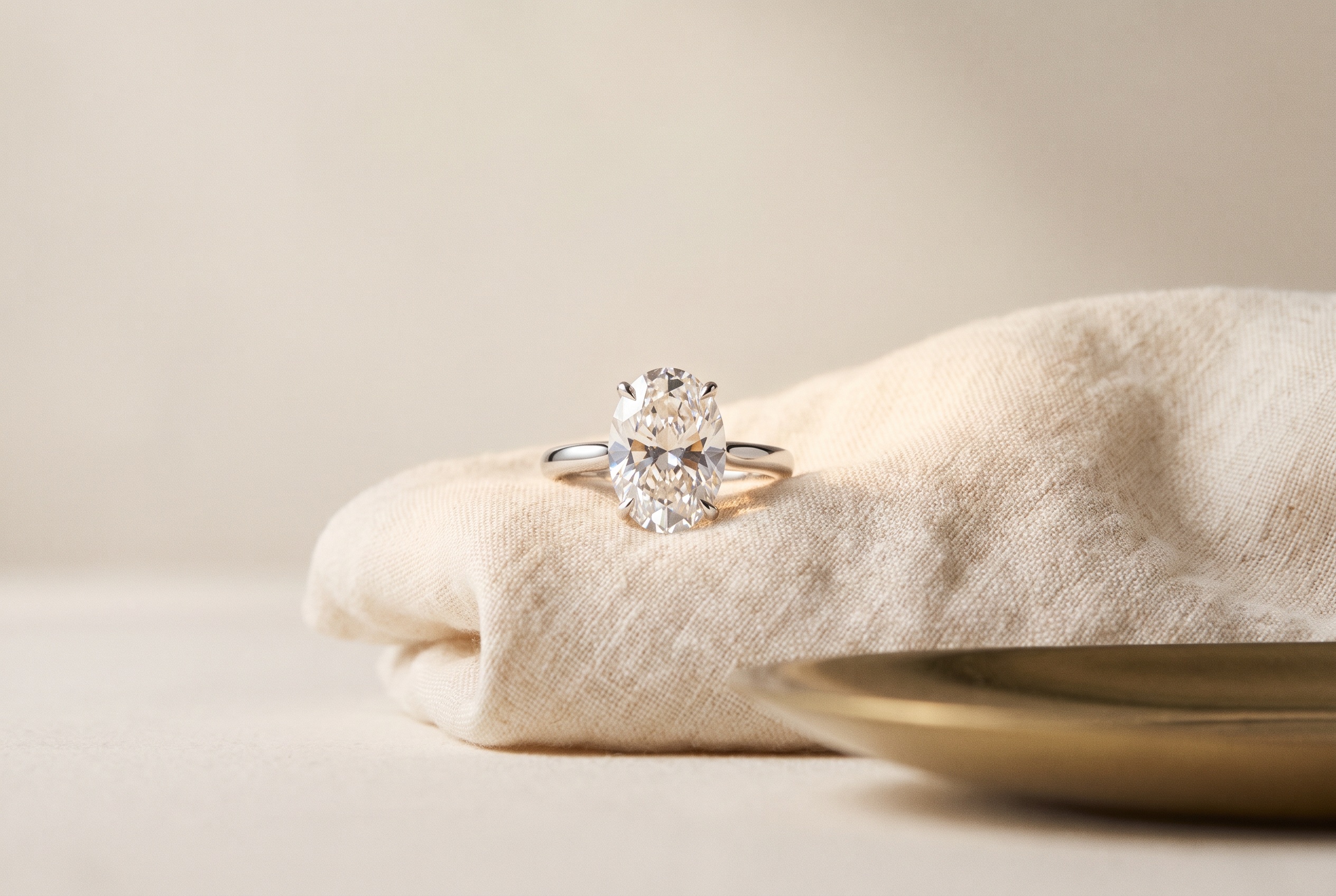
Yes — old mine cut has become a popular choice specifically for vintage and antique-inspired engagement rings, prized for its individual character, warm light performance, and historical authenticity. It pairs particularly well with bezel or collet settings and yellow or blackened-gold metal tones.
Can you get a lab-grown old mine cut diamond?
Yes. Old mine cut is a facet-pattern and proportion style, not a material — it can be cut into CVD lab-grown diamond material the same way it's cut into natural diamond, and both are graded and certified the same way (IGI, GIA, and GCAL all certify lab-grown antique cuts).
Guru Diam is a trade-only wholesale diamond supplier with locations in New York and Los Angeles, carrying antique and exotic cuts — including old mine, old European, hexagonal, and other true antique styles — alongside standard shapes, natural diamonds, certified loose stones, and finished jewelry. Browse antique cut inventory in the certified diamonds category, source matched pairs through matching pairs, or build a custom piece through custom jewelry. Trade accounts can review current inventory and terms at the wholesale hub or apply through trade partner.