Diamond Size Chart: MM to Carat
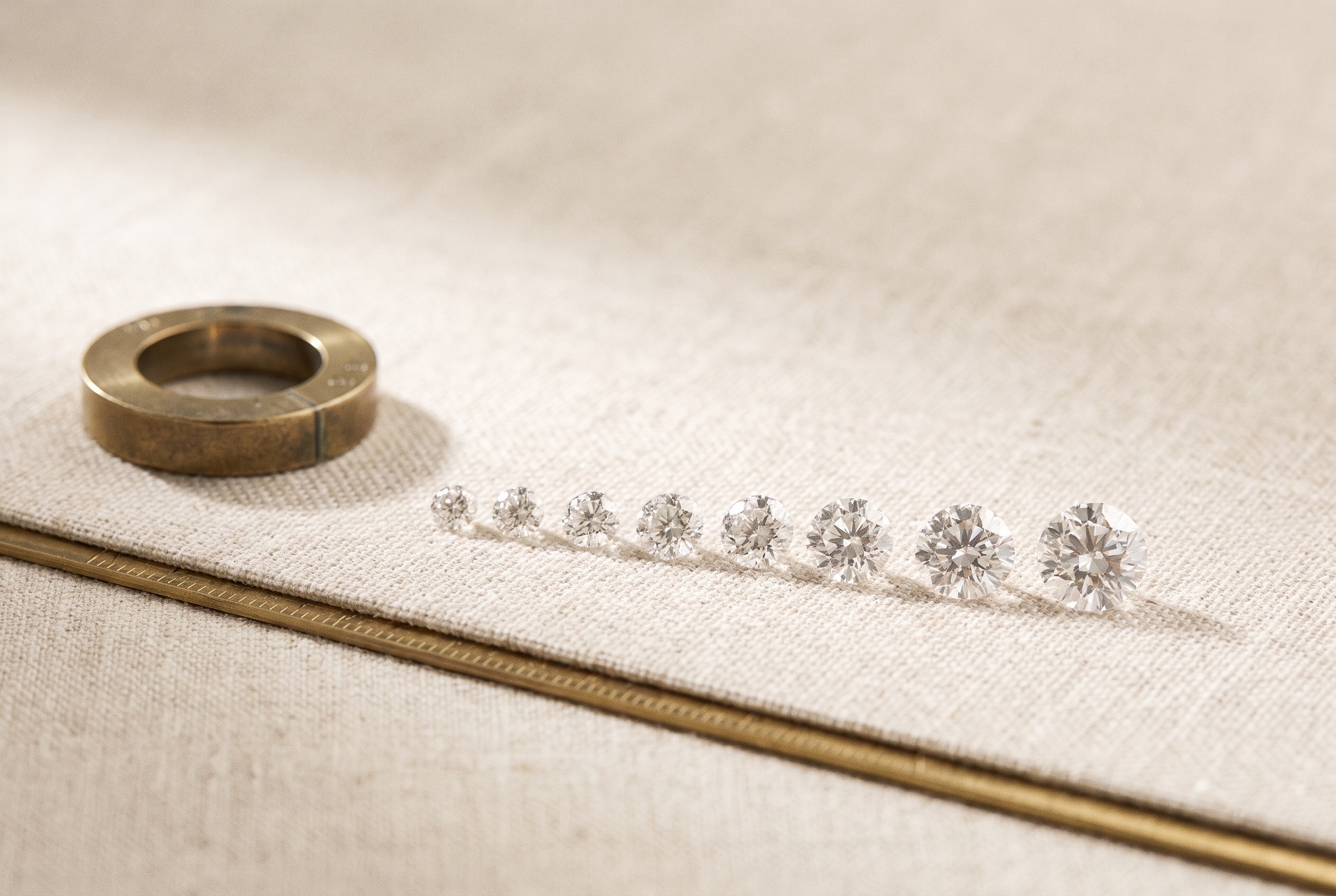
A diamond size chart converts a stone's millimeter diameter (its actual physical, visible width) into the corresponding carat weight for a given shape.
Expert articles on lab-grown diamonds, wholesale sourcing strategies, and the latest trends shaping the jewelry industry.
A diamond size chart converts a stone's millimeter diameter (its actual physical, visible width) into the corresponding carat weight for a given shape.
What VVS clarity really means — VVS1 vs VVS2, how it compares to VS and flawless grades, and when it's actually worth paying for.
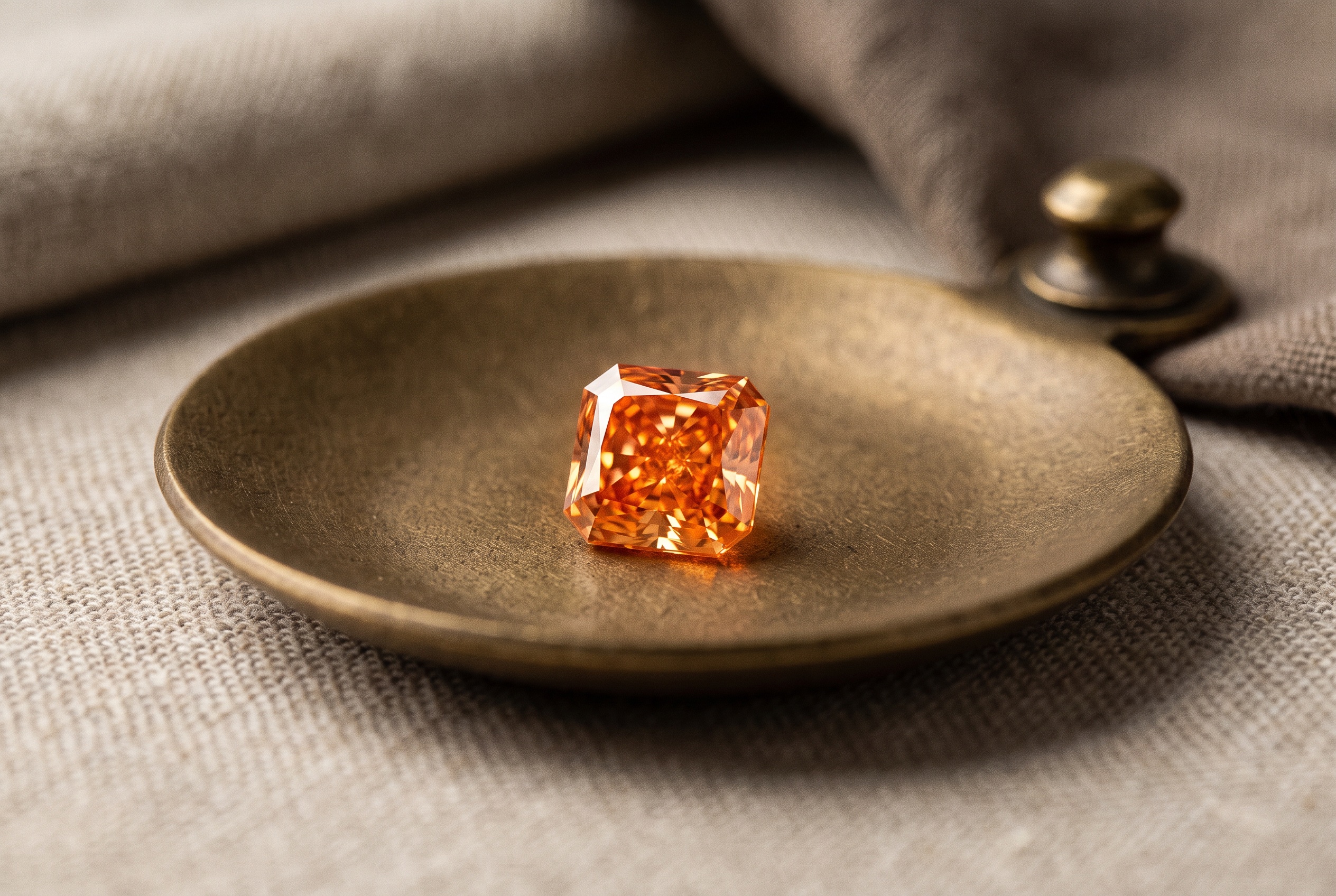
An orange diamond is a natural or lab-grown diamond whose crystal structure contains a specific combination of trace nitrogen defects that scatter…
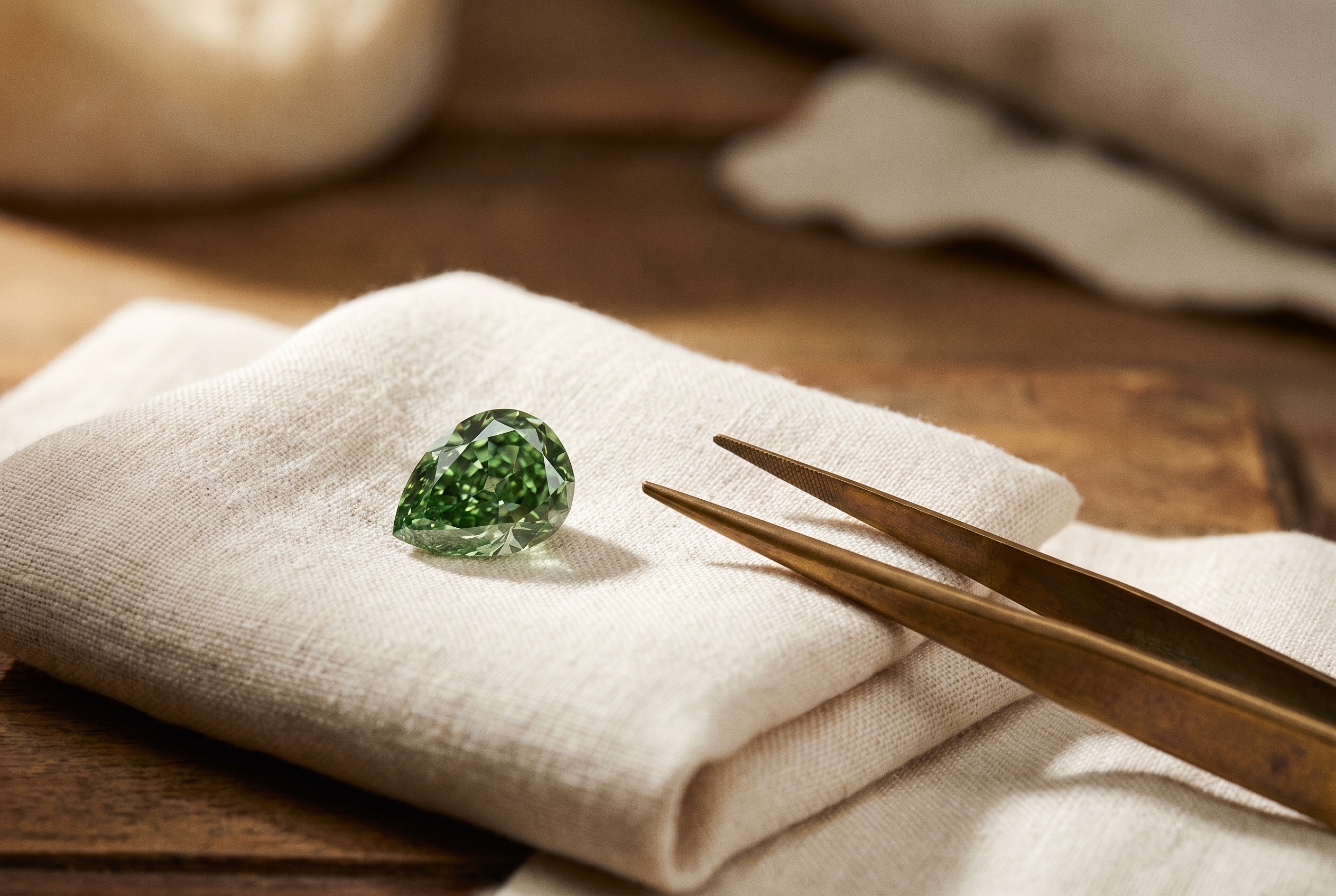
A green diamond is a diamond whose color comes from natural radiation exposure that displaces carbon atoms within the crystal lattice, producing a...
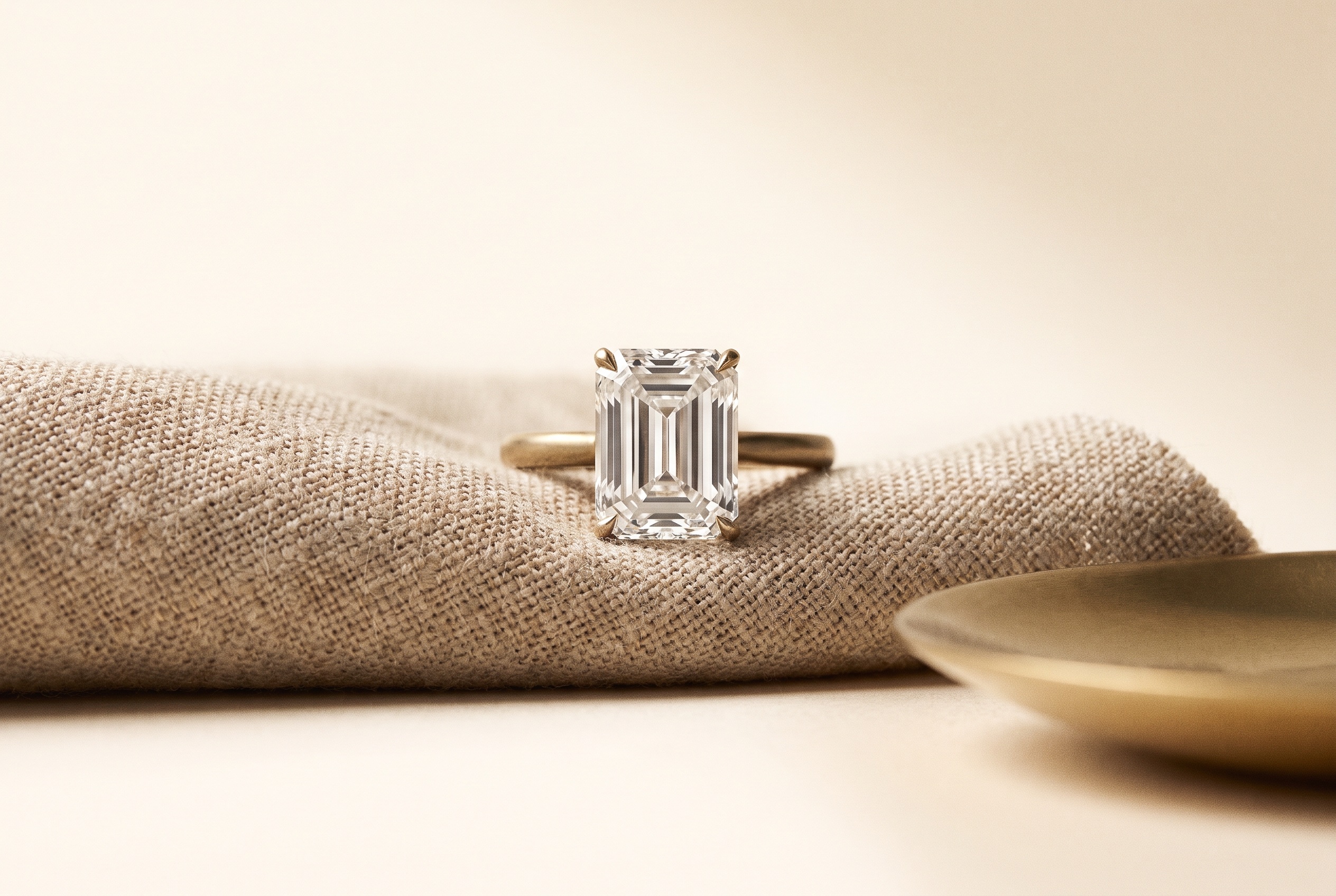
A 5 carat diamond sits well into statement-piece territory, and its price varies enormously depending on whether it's natural or lab-grown, and by...
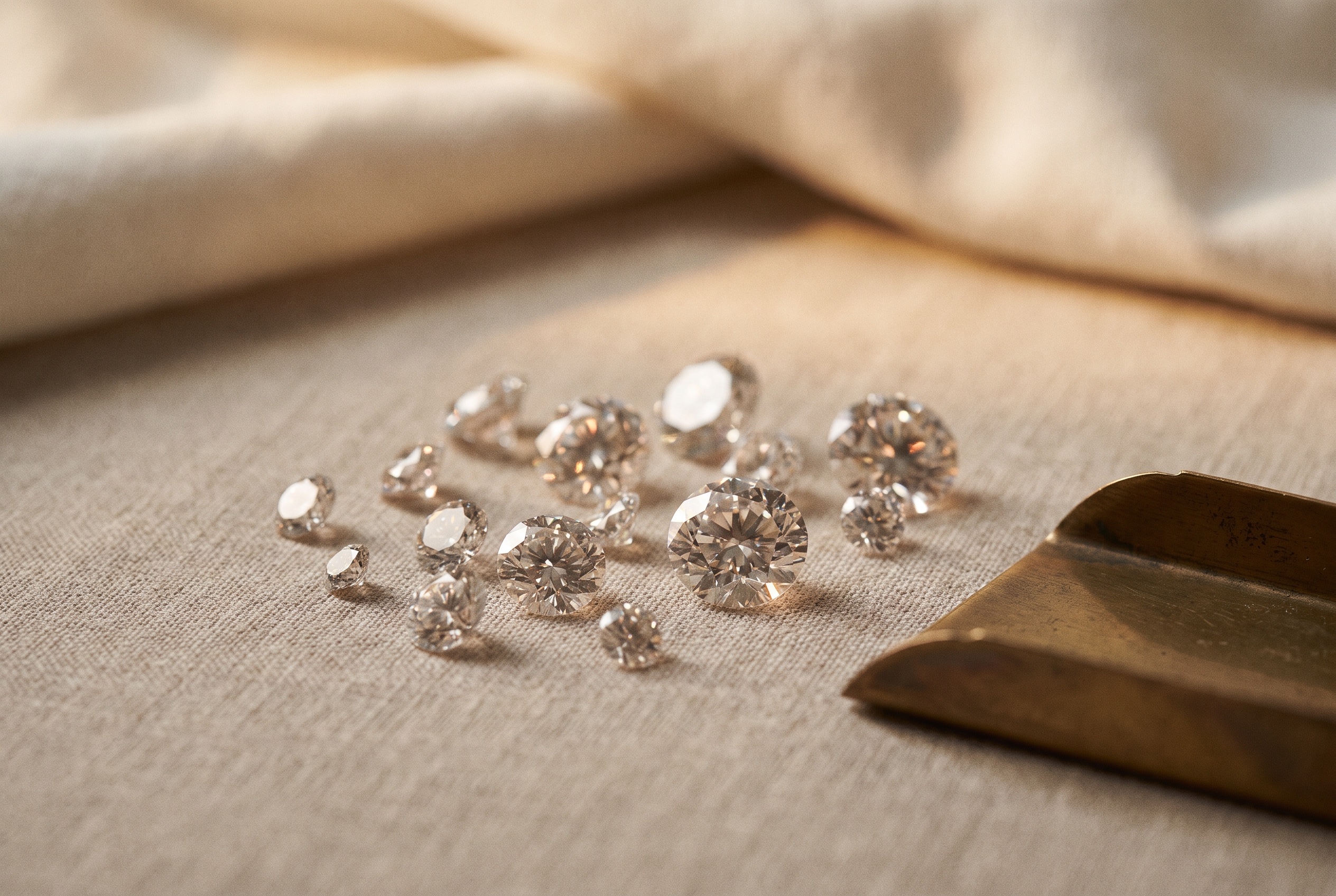
Natural loose diamonds are unmounted stones formed geologically over hundreds of millions to billions of years and mined from the earth.
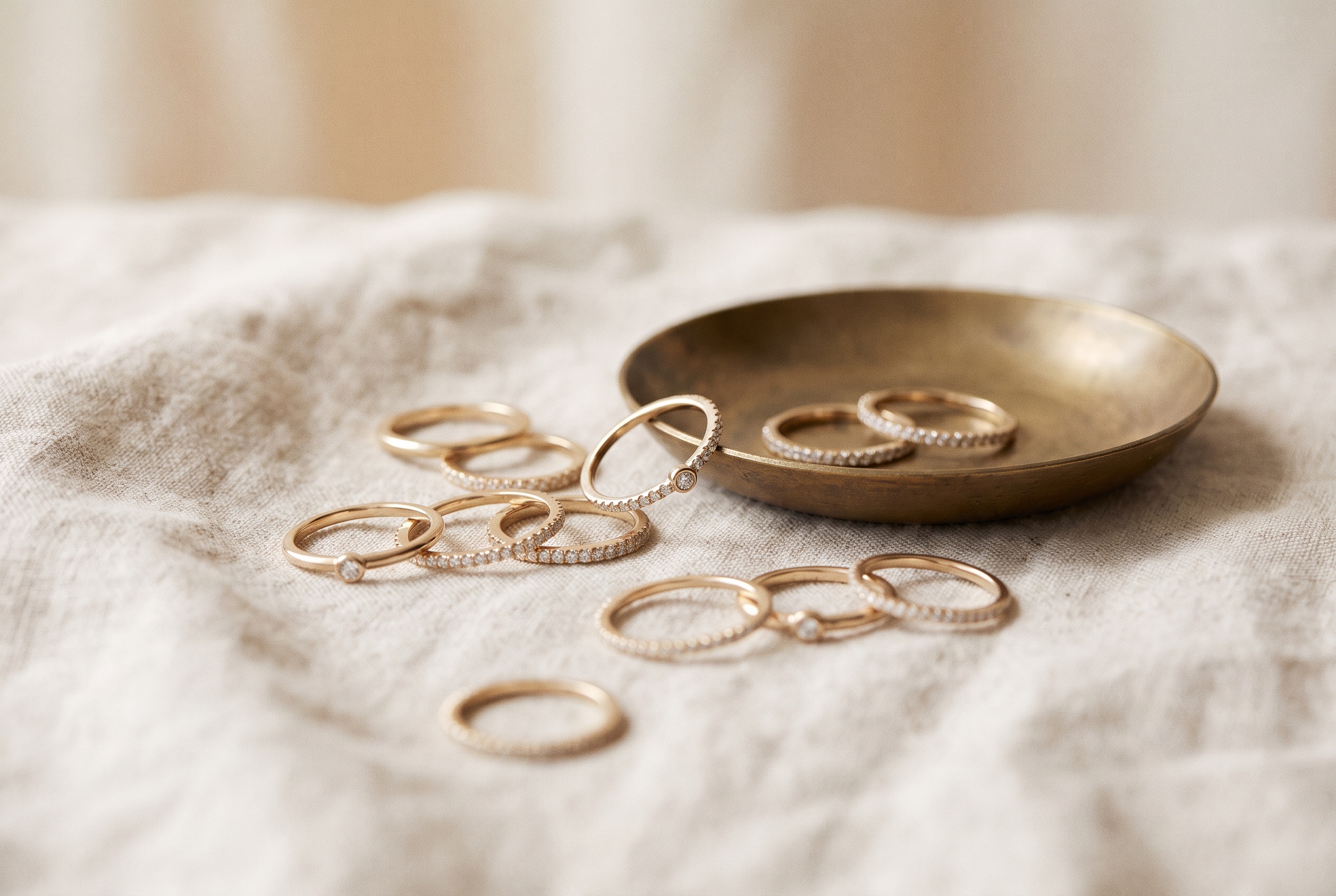
Stackable diamond rings are thin, low-profile bands — typically diamond-set, plain, or textured — designed to be worn several at a time on the same finger.
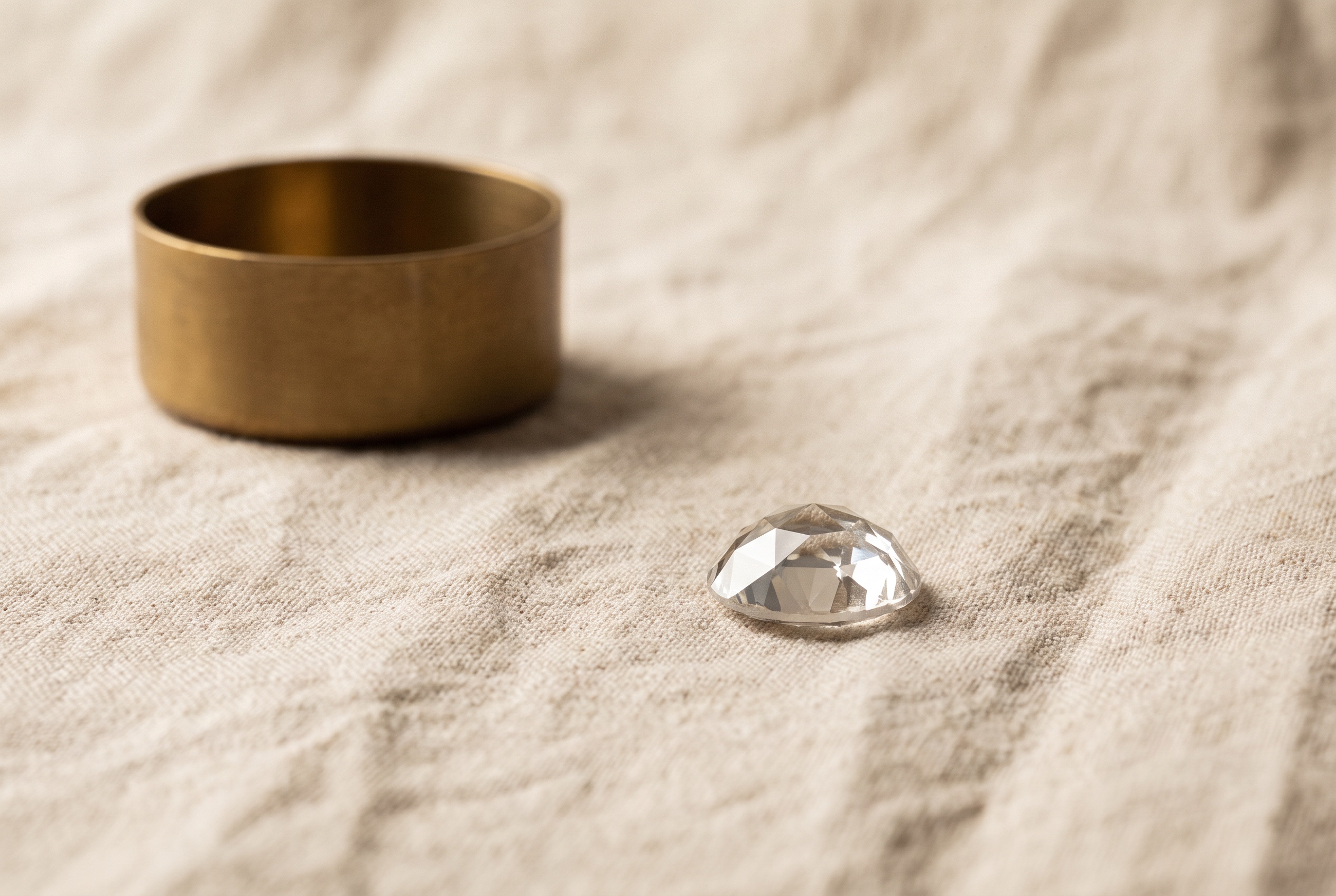
A rose cut diamond is a diamond with a flat or nearly flat base and a domed, faceted crown rising to a point — typically 3, 6, 12, or 24 triangular facets.
The core difference is composition: a lab-grown diamond is real diamond — pure crystallized carbon, grown via CVD, chemically and optically identical...