

16 min read
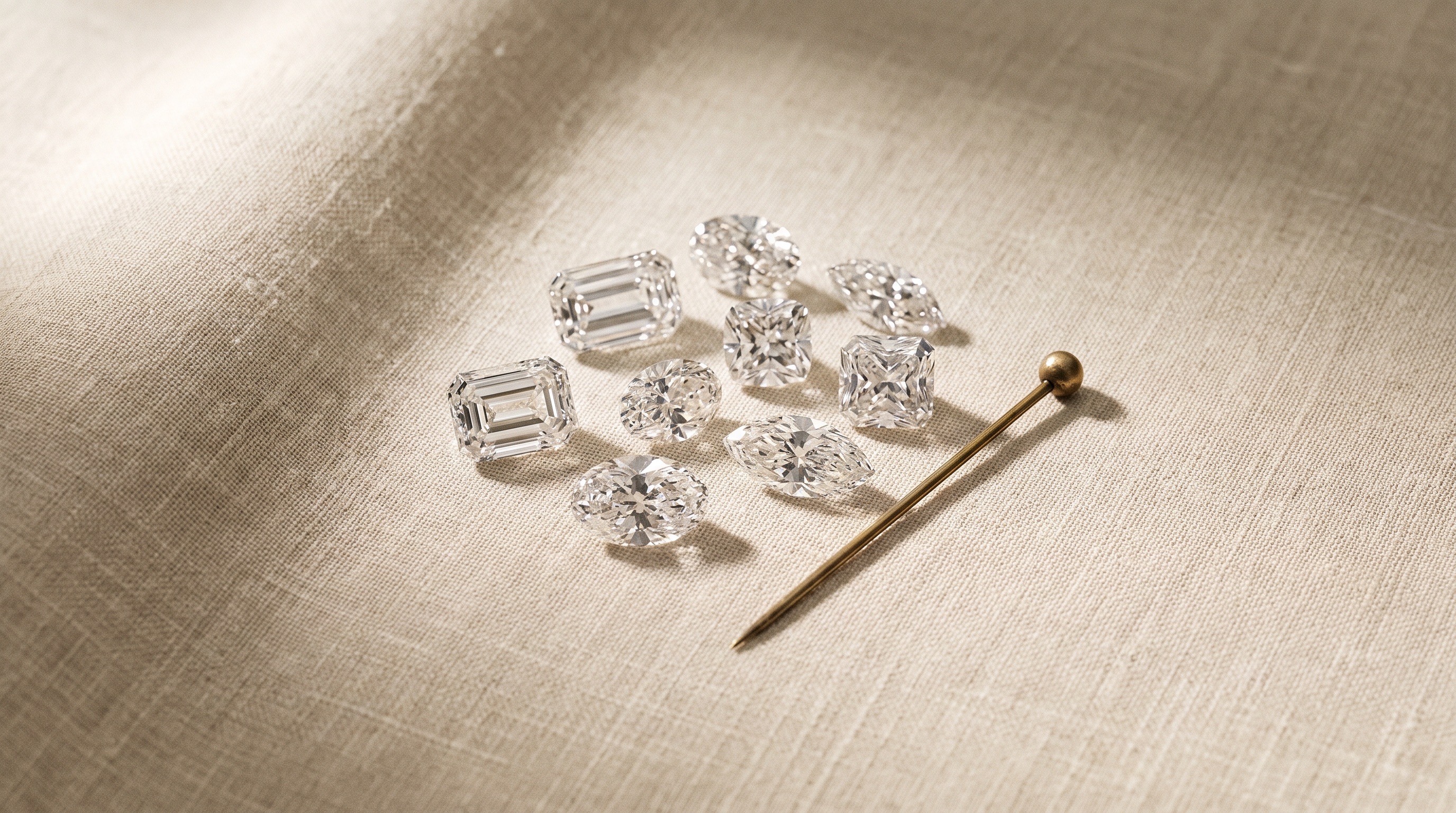
Fancy Cut Diamonds: A Complete Guide
What 'fancy cut' means in the diamond trade, how it differs from round brilliant, and a shape-by-shape comparison for wholesale buyers.
Expert articles on lab-grown diamonds, wholesale sourcing strategies, and the latest trends shaping the jewelry industry.
What 'fancy cut' means in the diamond trade, how it differs from round brilliant, and a shape-by-shape comparison for wholesale buyers.

GIA stands for the Gemological Institute of America — what it is, what it does, and why its certification matters for buying diamonds.
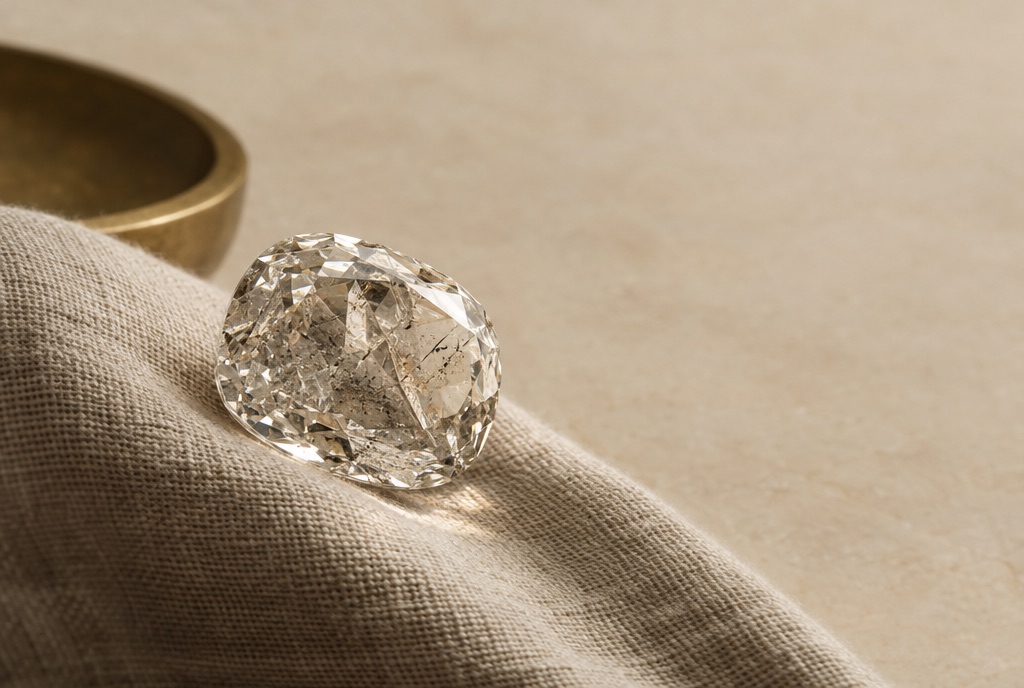
I1, I2, and I3 included diamonds explained: what the grade means, when inclusions are visible, and where included clarity does and doesn't make sense.
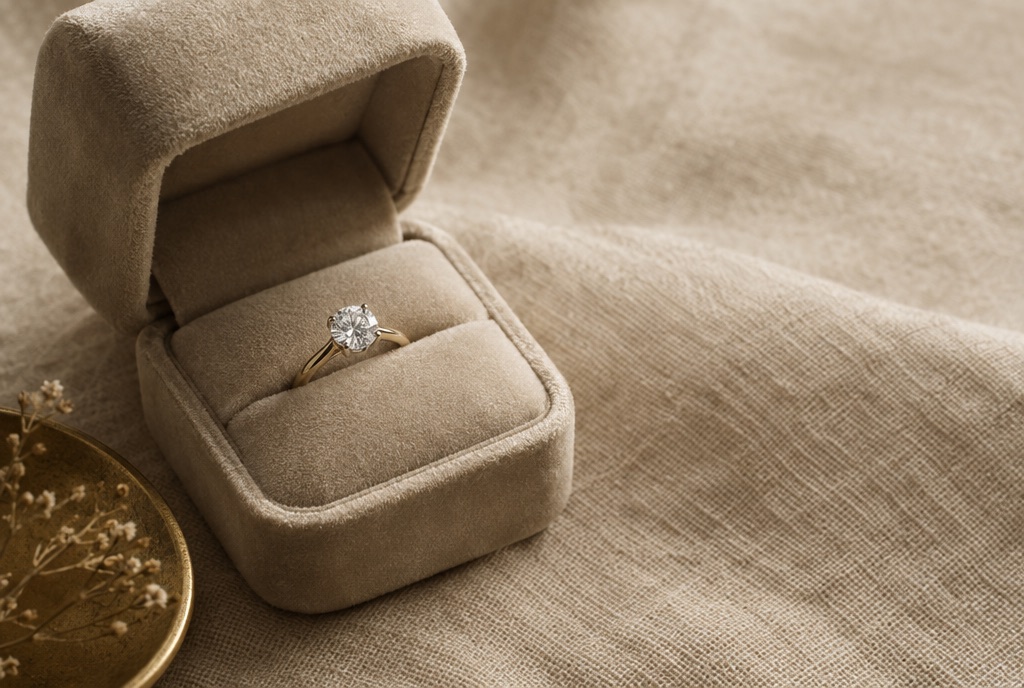
How jewelry warranties actually work: manufacturer coverage vs. extended plans, what's typically excluded, and what independent jewelers should know.
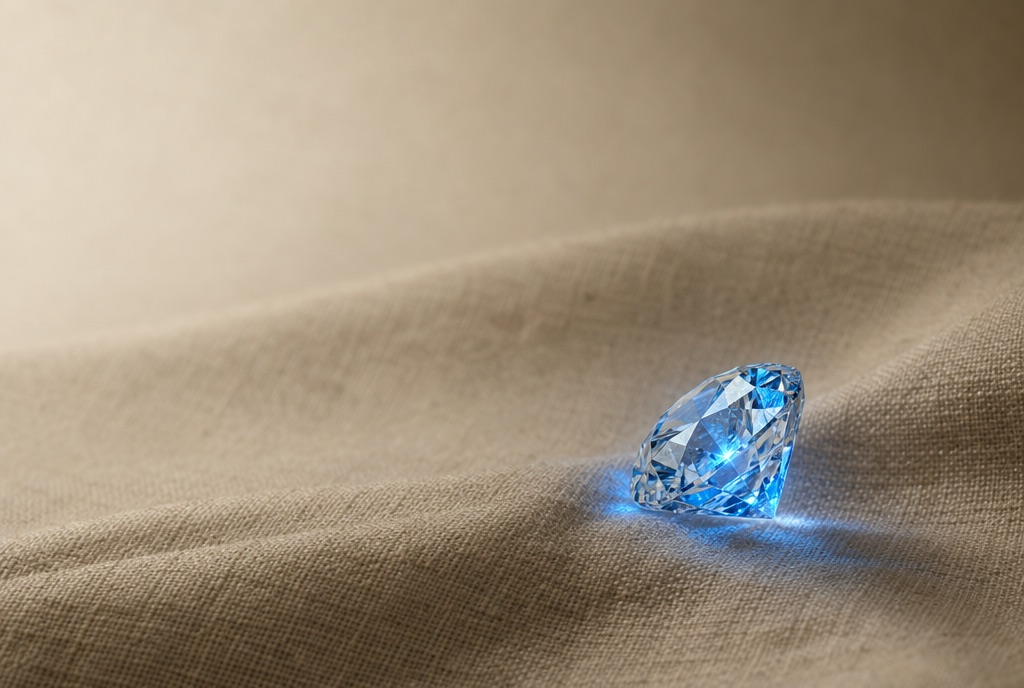
Strong blue fluorescence in diamonds explained: how it affects appearance and price, when it helps, and when it risks a hazy look.
VVS1 clarity explained: where it sits on the GIA/IGI/GCAL scale, how it differs from VVS2 and VS1, and when the premium is actually worth paying.
Diamond escrow explained: how third-party escrow protects buyers and sellers in high-value trade transactions, when to use it, and the alternatives.
What makes a diamond look milky or hazy, why clarity grade alone doesn't predict it, and how to identify and avoid milky stones when sourcing.
How diamond trade-in programs work: valuation methods, upgrade credit structures, what affects trade-in value, and how jewelers can offer one.