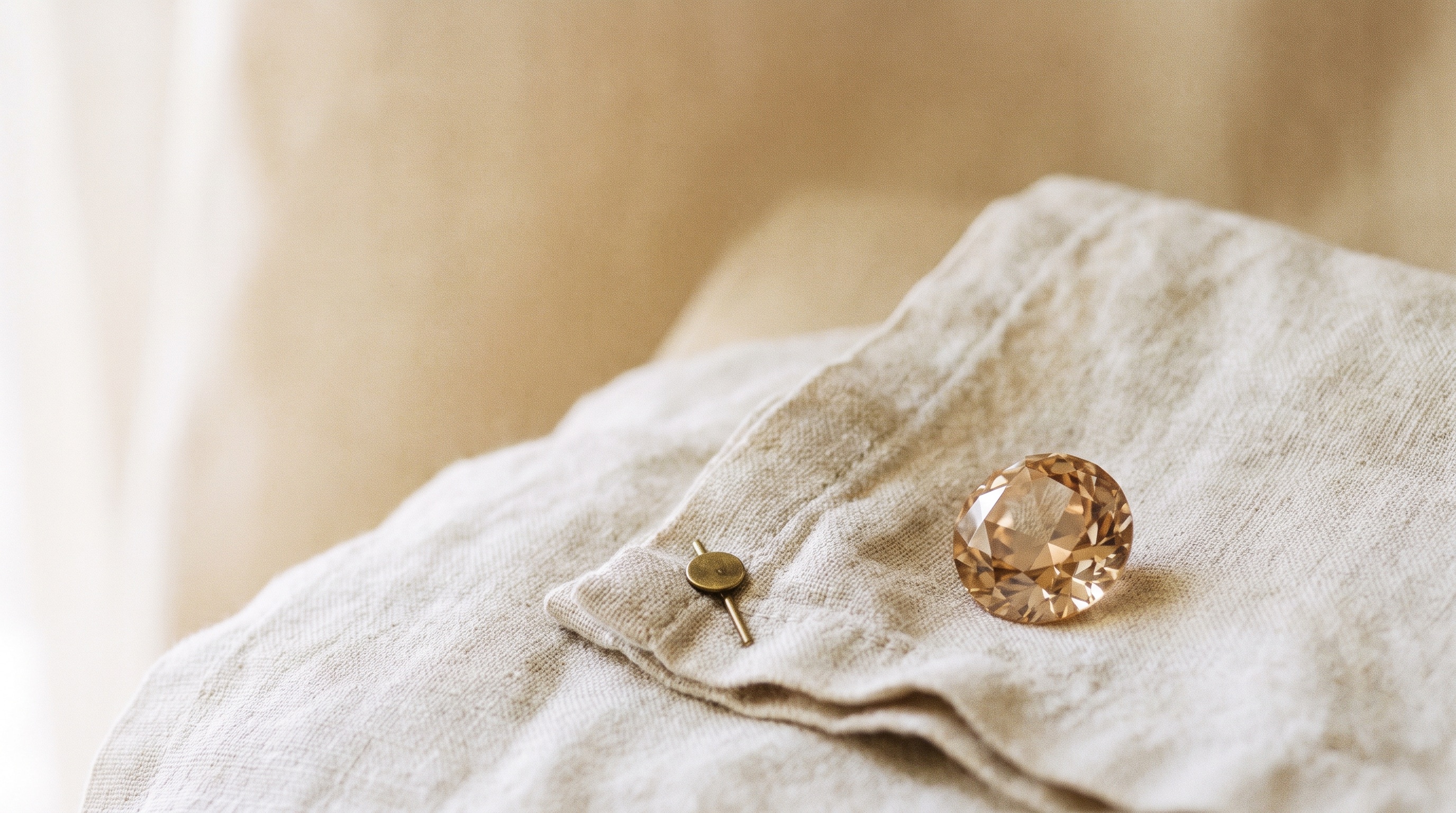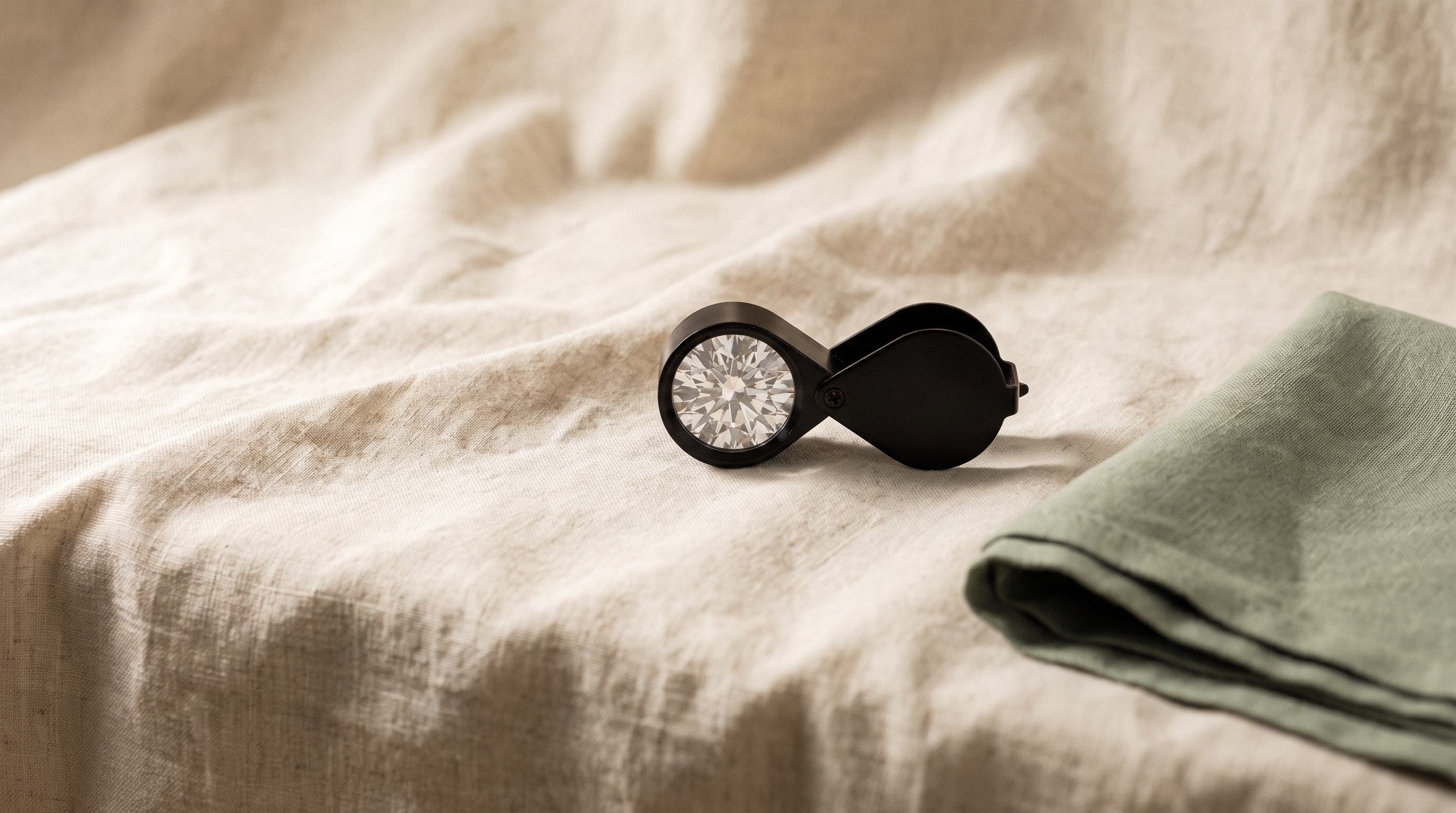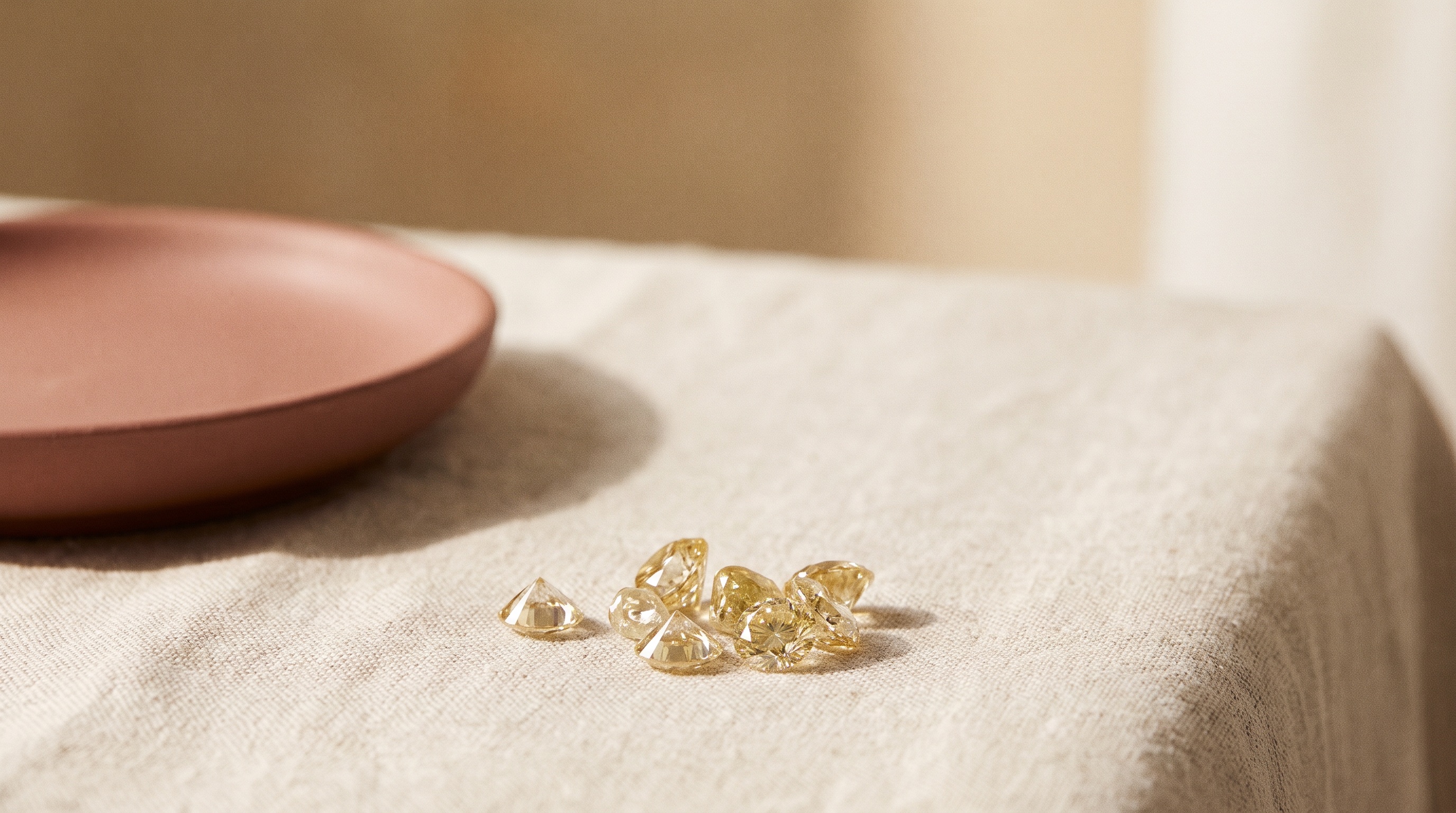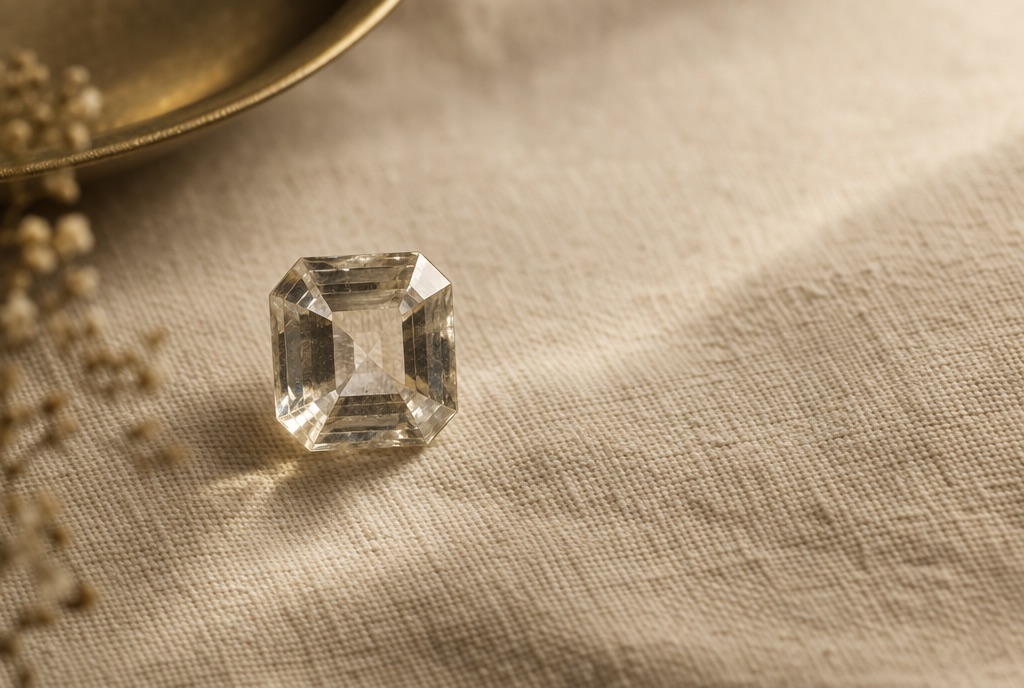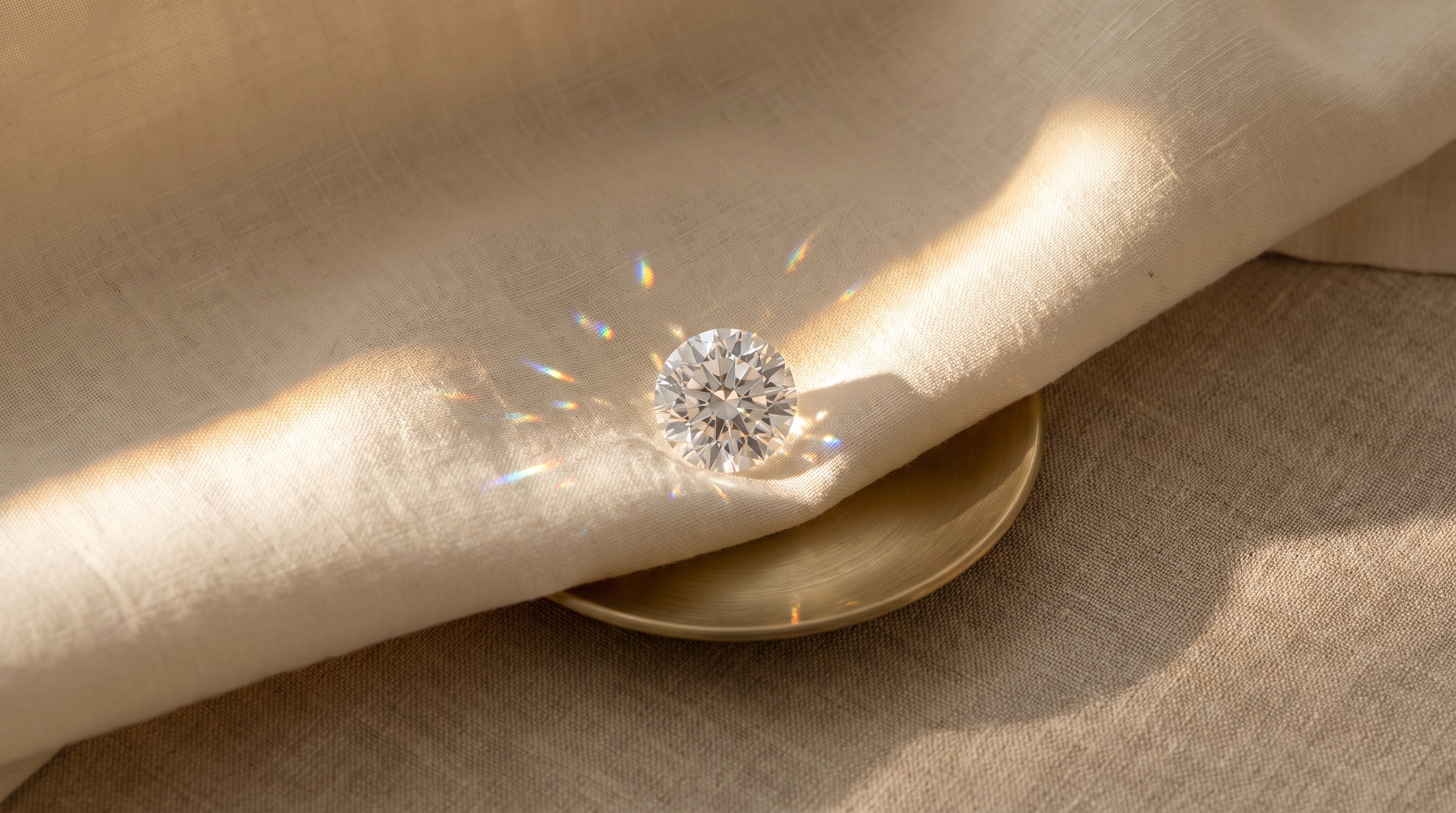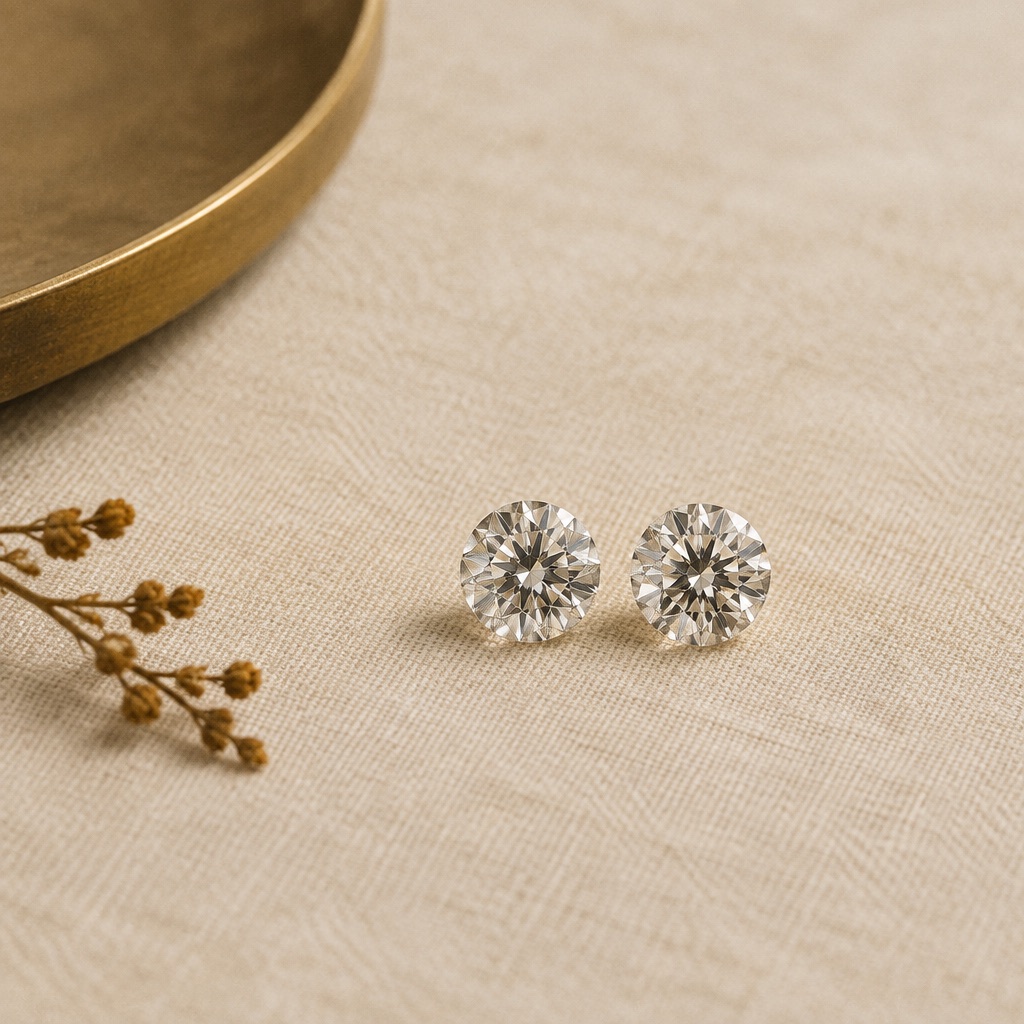
K Color Diamond: What It Looks Like and Who It's Right For
K color diamond explained: where it sits on the GIA scale, what the tint actually looks like, best settings, and when K is a genuinely smart buy.
Expert articles on lab-grown diamonds, wholesale sourcing strategies, and the latest trends shaping the jewelry industry.
K color diamond explained: where it sits on the GIA scale, what the tint actually looks like, best settings, and when K is a genuinely smart buy.
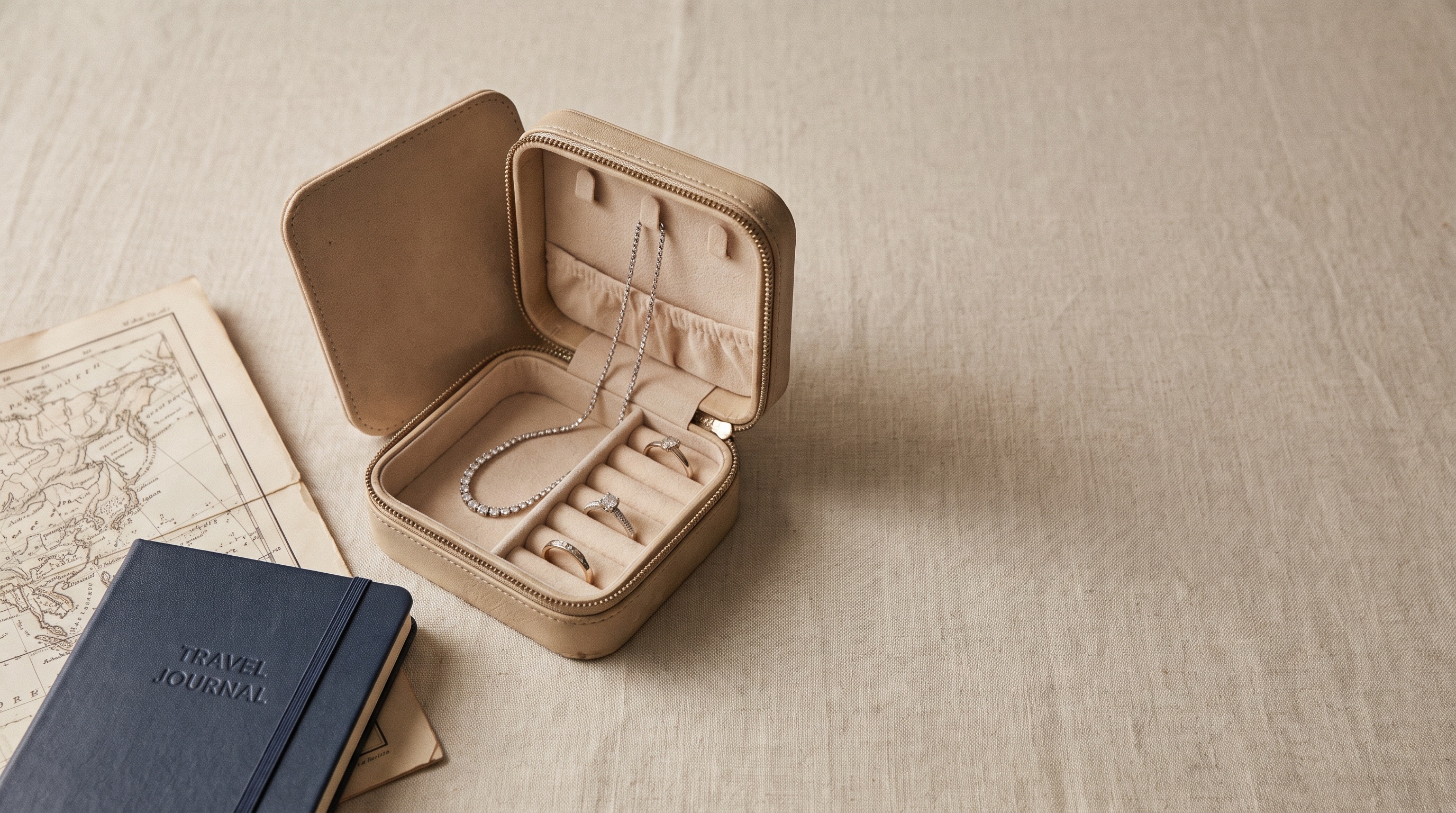
How to pack, carry, insure, and protect fine jewelry while traveling, including TSA rules, hotel safe guidance, and what to do before a trip.
A balanced look at the real tradeoffs of lab-grown diamonds — resale value, market perception, and what they don't change versus natural stones.
M color diamond explained: where it sits on the GIA scale, how visible the warmth is, best settings, and when M is the right choice.
SI1 clarity explained: what inclusions typically look like, when SI1 is eye-clean, and why it's one of the trade's most consistently recommended grades.
L color diamond explained: where it falls on the GIA scale, how visible the tint really is, best settings, and when L is a smart budget choice.
Table cut diamonds explained: the flat-faceted Renaissance-era cut, how it differs from old mine and rose cuts, and what to know before buying one.
Do lab-grown diamonds hold value over time? A trade-focused look at resale economics, pricing trends, and inventory strategy for wholesale buyers.
Lab-grown diamonds are chemically and physically real diamonds, not fakes or simulants. Here's the science, certification standard, and how they differ from natural stones.
Trade only · Free PDFs
Engagement rings + diamond price list, free.
Solitaire, halo, Three-Stone, bezel, east-west and antique-cut engagement rings, plus our melee and specialty-cut diamond price list. Enter your work email and we'll send both.
Your ring catalog and price list are on their way. Questions? Call +1 (212) 652-7108.