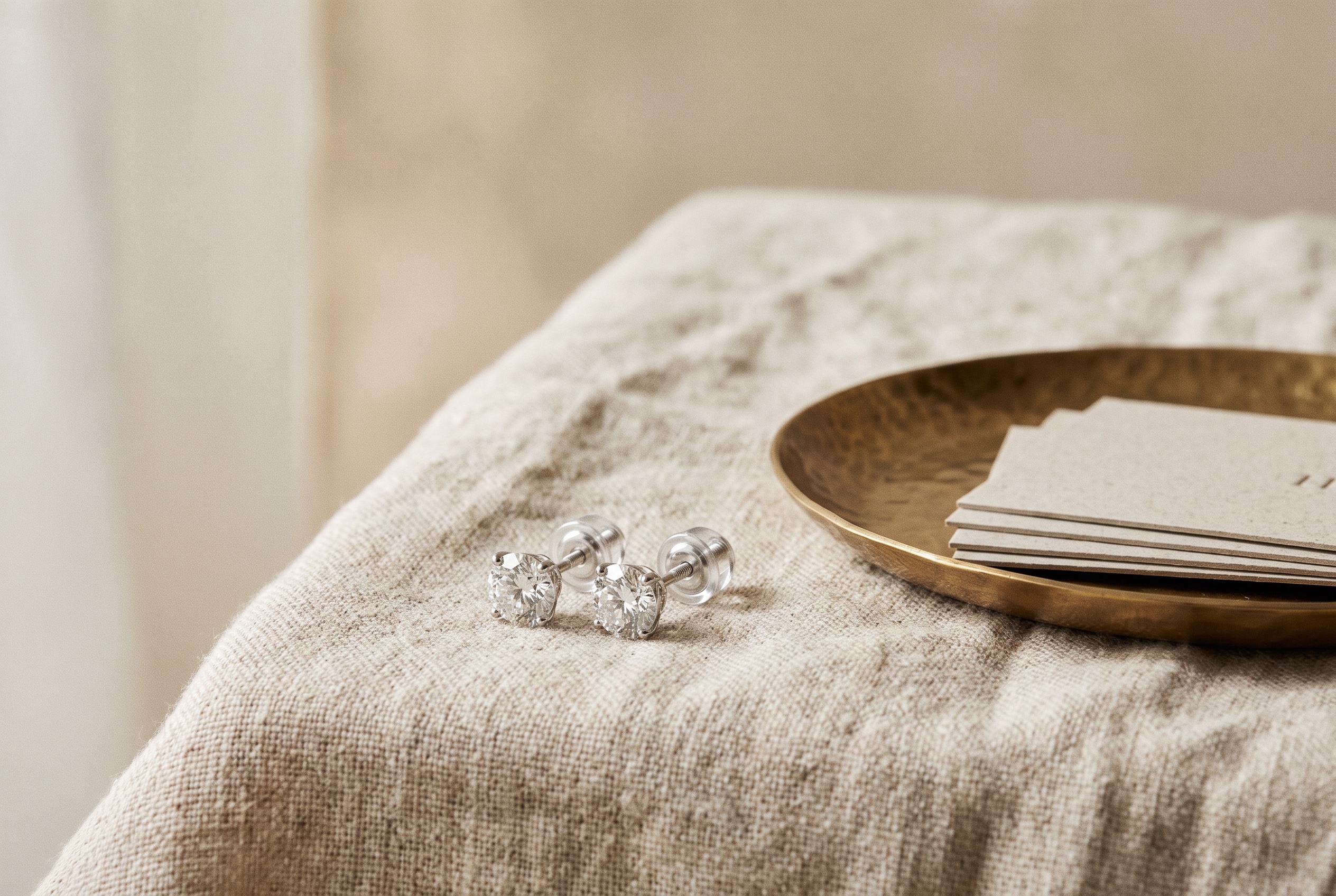

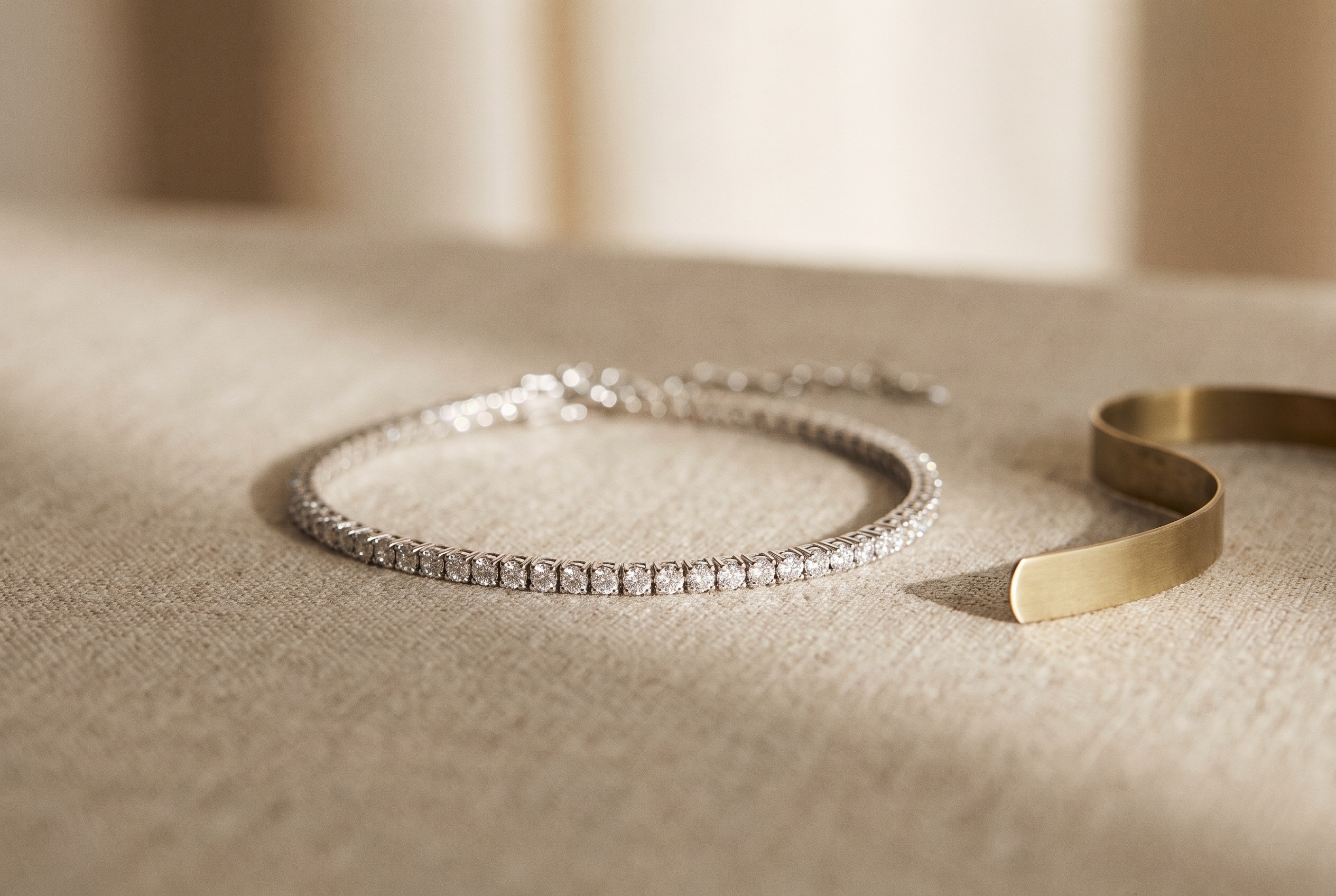
A diamond ankle bracelet is a fine-jewelry chain worn at the ankle, set with diamonds either as a continuous line (tennis-style), scattered stations along the chain, or a single accent charm. For a retailer, it's a category that borrows heavily from bracelet and necklace construction but carries its own durability and fit requirements, since an anklet sees more incidental contact — with shoes, sand, water, furniture — than a wrist or neck piece typically does.
This guide is written for the trade — jewelers, retailers, and designers sourcing diamond ankle bracelets to add or expand a fine-jewelry anklet line — covering chain and setting styles, length and sizing conventions, durability considerations specific to ankle wear, and what to look for in a wholesale supplier for this category.
Why Ankle Bracelets Are a Distinct Sourcing Category
Diamond ankle bracelets have moved from a niche seasonal item into a standing fine-jewelry category, driven partly by layered-anklet trends and partly by the category's approachable price point relative to a comparable bracelet or necklace. But the category's construction requirements differ meaningfully from a wrist-worn tennis bracelet. An anklet sits lower on the body, is exposed to more casual wear (bare feet, sandals, swimming), and is generally worn looser than a bracelet, all of which push toward different chain gauge, clasp, and stone-setting choices than a retailer might default to if simply scaling down bracelet specifications.
Retailers who treat an ankle bracelet as "a bracelet, just longer" without adjusting for these wear conditions typically see a higher rate of clasp failure, stone loosening, and chain wear complaints than retailers who source anklet-specific construction from the outset.
Chain and Setting Styles
| Style | Construction | Best For |
|---|---|---|
| Diamond tennis anklet | Continuous line of diamonds set in a flexible chain | Maximum sparkle, worn alone as a statement piece |
| Station anklet | Individual diamonds or small clusters spaced along a plain chain | Layering with other anklets or worn alone for a lighter look |
| Bezel station anklet | Diamonds set in individual bezel settings along the chain | Higher durability against snagging, popular for daily/beach wear |
| Charm anklet | A single diamond charm or pendant on a plain chain | Lowest stone cost, highest chain-to-stone-cost ratio |
| Adjustable-length anklet | Sliding clasp or extender chain allowing multiple wear lengths | Fitting a wide range of ankle sizes from one SKU |
Length and Sizing Conventions
Ankle bracelets run longer than wrist bracelets, typically 9 to 11 inches compared to a standard 7 to 7.5 inch bracelet, reflecting the larger circumference of the ankle versus the wrist and the convention of wearing an anklet slightly looser than a bracelet is worn. Because ankle circumference varies more across a customer base than wrist size does — influenced by footwear preference and how loose a customer wants the piece to sit — retailers benefit from stocking anklets with an adjustable clasp or a short extender chain (typically 1 to 2 inches) rather than a single fixed length, letting one SKU fit a wider range of customers without requiring custom sizing at the point of sale.
Durability Considerations Specific to Ankle Wear
An anklet experiences a meaningfully different wear environment than a bracelet or necklace, and sourcing decisions should reflect that:
- Water and moisture exposure. Anklets are frequently worn swimming or at the beach, more so than most other fine jewelry categories. Chain and setting metal should hold up to regular water exposure without accelerated tarnish, which pushes toward 14k or 18k gold over lower-karat or plated alternatives for a piece marketed as daily-wearable.
- Clasp durability. Because an anklet is put on and removed more casually than a necklace — often one-handed, sometimes without looking — a secure, easy-to-operate clasp (lobster or spring-ring with a slightly larger opening than a comparable necklace clasp) reduces both loss risk and customer frustration.
- Snag resistance. Bezel-set or channel-set stones hold up better against ankle-level contact with shoes, sand, and furniture than open prong settings, which are more prone to catching and, over time, to loosening a stone.
- Chain gauge. A chain sourced too thin for the category shows wear (thinning, kinking) faster at the ankle than the same gauge would at the wrist, given the added contact from footwear and ground-level activity.
Diamond Quality Standards for Ankle Bracelets
Because ankle bracelet stones are typically small — usually well under 0.05ct per stone on a tennis or station anklet — a DEF+/VS+ commercial melee standard reads as bright and clean at these sizes without pushing the piece's price beyond what this generally accessible category supports. As covered in more depth in our 4Cs overview guide, clarity characteristics are progressively harder to detect as stone size decreases, giving retailers useful latitude to manage cost on a category where total stone count (not individual stone size) is the main cost driver.
Lab-Grown vs. Natural Diamonds for Ankle Bracelets
CVD lab-grown melee is a natural fit for this category's economics — a full tennis-style anklet requires a continuous line of dozens of small stones, and lab-grown material's lower per-carat cost lets a retailer offer a fuller, brighter line at an approachable price point. Natural melee remains available for retailers positioning the category at a premium tier, or for stations and charm styles where total stone count is lower and the price difference between origins is less decisive. Both origins should be sourced to the same DEF+/VS+ commercial standard for visual consistency across the piece.
Metal Options and Finish
14k and 18k gold in yellow, white, and rose tones cover the large majority of demand in this category. Given the water and casual-wear exposure typical of anklets, retailers should be cautious about extending into lower-karat gold or gold-plated options marketed as everyday-wearable — plated finishes wear through faster under the moisture and abrasion conditions anklets regularly encounter, creating a quality perception problem that's specific to this category more than to bracelets or necklaces sourced at the same finish level.
Wholesale Pricing Structure for Ankle Bracelets
Because most ankle bracelet designs run on small, high-count melee rather than a single larger center stone, wholesale pricing for this category runs primarily through calibrated melee channels, priced per total carat weight across the piece rather than stone-by-stone. Retailers benefit from a supplier who can quote consistent per-carat melee pricing at volume, since a tennis-style anklet line depends on visual consistency across dozens of stones sourced from the same production run rather than any single high-value stone driving the piece's price.
Building an Ankle Bracelet Program
- Cover the durability spectrum. Stock at least one bezel or channel-set style alongside prong or claw-set tennis styles, giving customers who want a daily/beach-wearable piece a more durable option without sacrificing the sparkle of a classic tennis anklet for customers who want that look for occasional wear.
- Offer adjustable length. An extender chain or sliding clasp on at least the core SKUs reduces the return and exchange rate that comes with a fixed-length piece sold to a customer base with varying ankle sizes.
- Plan a layering-compatible range. Because anklets are increasingly worn stacked (multiple anklets on one ankle, similar to bracelet or necklace layering trends), offering pieces at a few different chain weights and stone densities lets a customer build a layered look from one retailer's line rather than sourcing complementary weights elsewhere.
- Include a lower-price entry point. A station or charm-style anklet at a lower price than the full tennis-style piece gives a retailer an accessible entry point into the category for a first-time or gift-driven purchase.
- Plan for seasonal restocking. Given the pronounced spring/summer demand curve, a program benefits from a supplier who can turn around reorders quickly enough to restock a fast-selling style mid-season rather than only being able to plan inventory once, well ahead of the season.
Common Sourcing Mistakes in This Category
- Sourcing bracelet-grade construction without adjusting for ankle wear. A chain and clasp specified for wrist wear, without accounting for the added water and abrasion exposure at the ankle, tends to show wear complaints faster than the same construction would at the wrist.
- Fixed length with no adjustability. A single fixed anklet length fits a narrower share of customers than the same approach would for a bracelet, given how much ankle circumference and preferred fit looseness vary.
- Open prong settings on a daily-wear piece. Prong-set stones are more prone to catching and loosening at the ankle than at the wrist or neck, given the piece's proximity to shoes, sand, and ground-level contact; bezel or channel construction is the safer default for anything marketed as an everyday piece.
- Underestimating the layering trend. Retailers who stock only a single anklet weight and style miss the cross-sell opportunity from customers building a stacked ankle look, a meaningful and growing share of category demand.
- Batch-to-batch melee drift. Reordering core styles from inconsistent melee sources over time risks a visible brightness or color mismatch between a customer's original purchase and a later addition to the same anklet, undermining the layered look the category depends on.
Clasp and Closure Options
Lobster Clasps
The most common closure for ankle bracelets, offering a secure grip that's still easy to open one-handed — a practical requirement given how often anklets are put on and taken off without the aid of a mirror or a second person, unlike a necklace clasp positioned at the back of the neck.
Spring-Ring Clasps
A traditional, lower-profile alternative to a lobster clasp, generally best suited to lighter chain gauges rather than a heavier tennis-style anklet, where the added weight of a full diamond line benefits from a more secure lobster closure.
Sliding Adjustable Clasps
Allow the wearer to slide the clasp along a short section of chain to fine-tune length within a range, rather than being limited to fixed extender-chain increments. This is a popular option for anklets specifically, given how much preferred fit looseness varies by wearer and by whether the piece is being worn alone or layered with others.
Toggle Clasps
A bar-and-loop closure that's easy to operate one-handed and reads as a slightly more casual, fashion-forward closure style than a lobster clasp — a common choice on station and charm-style anklets aimed at a more everyday, layering-driven customer.
Packaging and Care Guidance for Ankle Bracelets
Because ankle bracelets see more incidental exposure to water, sand, and lotion or sunscreen residue than most other fine jewelry categories, retailers benefit from including basic care guidance at the point of sale — rinsing the piece after saltwater or pool exposure and periodically checking prong or bezel security are simple habits that meaningfully extend the life of a daily-worn anklet, particularly for prong-set styles. Some retailers include a small care card specific to anklets (distinct from generic jewelry care instructions) precisely because the wear pattern differs enough from a bracelet or necklace to warrant it — customers who wouldn't think twice about wearing a bracelet into the ocean often don't realize the same exposure is harder on a piece worn at the ankle, given the additional sand and friction contact underfoot.
Presentation packaging for anklets is typically a standard flat jewelry box or pouch rather than anything category-specific, though retailers selling adjustable or layering-focused pieces sometimes include a short styling card showing how a given anklet pairs with other pieces in the line — a low-cost addition that supports the layering cross-sell covered below.
Gifting and Occasion Demand
Ankle bracelets see a meaningful share of demand as a gift item, particularly for graduations, milestone birthdays, and summer travel or destination-wedding occasions, alongside self-purchase demand tied to warm-weather dressing. Retailers who recognize gifting as a distinct demand driver — rather than assuming all anklet purchases are self-directed — can plan merchandising language and point-of-sale positioning (gift sets, seasonal displays timed to graduation and early-summer travel seasons) to capture that share more deliberately than treating the category as purely a self-purchase fashion item.
Merchandising Diamond Ankle Bracelets
Ankle bracelets sell well merchandised alongside other layering-friendly fine jewelry — bracelets, stacking rings, and layered necklaces — since the customer mindset (building a personal, mix-and-match look rather than a single statement purchase) carries across these categories. Retailers who display anklets on a foot or ankle form, rather than flat in a case tray the way a bracelet typically is, help customers visualize scale and drape that's otherwise hard to judge from a piece laid flat. Seasonal merchandising also matters more here than for most fine jewelry categories: anklet visibility and purchase both rise meaningfully through spring and summer, tied to sandal and swimwear season, giving retailers a natural promotional window that a year-round category like tennis bracelets doesn't have to the same degree.
Production Considerations for Retailers Sourcing at Volume
A retailer building out a full ankle bracelet program at wholesale volume faces a slightly different production challenge than sourcing a single anklet style. Because tennis and station-style anklets depend on visual consistency across dozens of individually set stones per piece, and a full program multiplies that across many SKUs and multiple production runs over time, color and clarity drift between batches becomes a real risk if melee isn't sourced and quality-checked as a consistent, ongoing supply relationship rather than a series of one-off parcel purchases. Retailers who reorder core anklet styles repeatedly over a season benefit from a supplier who can maintain the same DEF+/VS+ baseline (or whatever standard the retailer has settled on) reliably across reorders, so a customer's second anklet purchase months later still matches the finish and brightness of pieces already sold from an earlier run.
Turnaround time also matters more in this category than the price point might suggest, given how much of the demand is seasonal and gift-driven. A supplier able to move from melee sourcing through setting and polishing to a finished, ready-to-ship anklet within the same 4-6 day window used for other finished jewelry gives a retailer meaningfully more flexibility to restock a fast-selling style mid-season than a longer, less predictable production timeline would.
Comparing Ankle Bracelets to Related Categories
Ankle bracelets share construction logic with several other chain-based categories covered elsewhere in this queue. Our diamond bangle bracelet guide covers a related wrist category with its own distinct sizing and durability profile, useful for retailers cross-merchandising bracelets and anklets as a coordinated wrist-and-ankle layering offer. The diamond tennis necklace guide covers the continuous-line diamond construction shared with tennis-style anklets, applied to a different body placement with different wear and clasp considerations.
Positioning Ankle Bracelets Within a Broader Fine Jewelry Line
For retailers newer to the category, ankle bracelets are worth positioning explicitly as fine jewelry rather than as a fashion-jewelry add-on, since the price point and casual associations of the category can otherwise lead both staff and customers to underrate it relative to bracelets and necklaces built from the same materials. A diamond anklet sourced in 14k or 18k gold with properly certified or quality-controlled melee is, materially, no different from any other fine-jewelry chain piece, and merchandising it alongside — rather than separately from — a retailer's bracelet and necklace cases reinforces that positioning. Retailers who segregate anklets into a lower-tier fashion-jewelry display, distinct from the fine-jewelry cases, often see the category underperform relative to its actual demand, since customers browsing fine jewelry may never encounter the anklet line at all.
Sourcing an Ankle Bracelet Program at Wholesale
Guru Diam supplies certified CVD lab-grown diamonds and calibrated melee alongside natural inventory, with cutting, setting, and polishing all handled in-house, giving retailers a single source for building an ankle bracelet line across chain styles, metal tones, and durability tiers. Retailers can review calibrated melee and matched-pair inventory through matching pairs, browse certified stones for charm or station-style pieces through certified diamonds, and work through custom jewelry for a bespoke anklet design, with finished pieces delivered in 4-6 days. Trade accounts can review terms at the wholesale hub or apply through trade partner.
Frequently Asked Questions
How long should a diamond ankle bracelet be?
Most run 9 to 11 inches, longer than a standard 7 to 7.5 inch wrist bracelet, reflecting the larger circumference of the ankle and the convention of wearing an anklet a bit looser than a bracelet. An adjustable clasp or short extender chain lets one SKU fit a wider range of ankle sizes.
Are diamond ankle bracelets durable enough for everyday wear?
With the right construction, yes — bezel or channel-set stones on a 14k or 18k gold chain hold up well to regular wear, including water exposure. Open prong settings and lower-karat or plated finishes are more prone to wear and stone loosening under the moisture and abrasion typical of ankle wear.
What diamond quality is used in ankle bracelets?
Most ankle bracelets use small calibrated melee, typically under 0.05ct per stone, at a DEF+/VS+ commercial standard — bright and clean at these sizes without the cost of a higher grade that wouldn't be visually distinguishable in stones this small.
Should ankle bracelet diamonds be lab-grown or natural?
Both are sourced for this category. Lab-grown melee's lower per-carat cost is a natural fit for tennis-style anklets that need a continuous line of dozens of stones, while natural melee suits retailers positioning the category at a premium tier or lower-stone-count station and charm styles.
Can ankle bracelets be worn in water?
Anklets in 14k or 18k gold with securely set stones generally hold up to swimming and regular water exposure, which is part of why the category is popular for beach and warm-weather wear. Plated or lower-karat pieces are more likely to show wear under the same conditions.
How should retailers merchandise ankle bracelets?
Displaying pieces on a foot or ankle form rather than flat in a tray helps customers judge scale and drape. Cross-merchandising with other layering categories — bracelets, stacking rings, layered necklaces — and leaning into spring/summer seasonal promotion both tend to perform well for this category specifically.
What clasp is best for a diamond ankle bracelet?
A secure lobster clasp with a slightly larger opening than a comparable necklace clasp is the most common choice, since anklets are put on and taken off more casually and often without a mirror. Sliding adjustable clasps and toggle closures are also popular, particularly on lighter-weight or layering-focused pieces.