
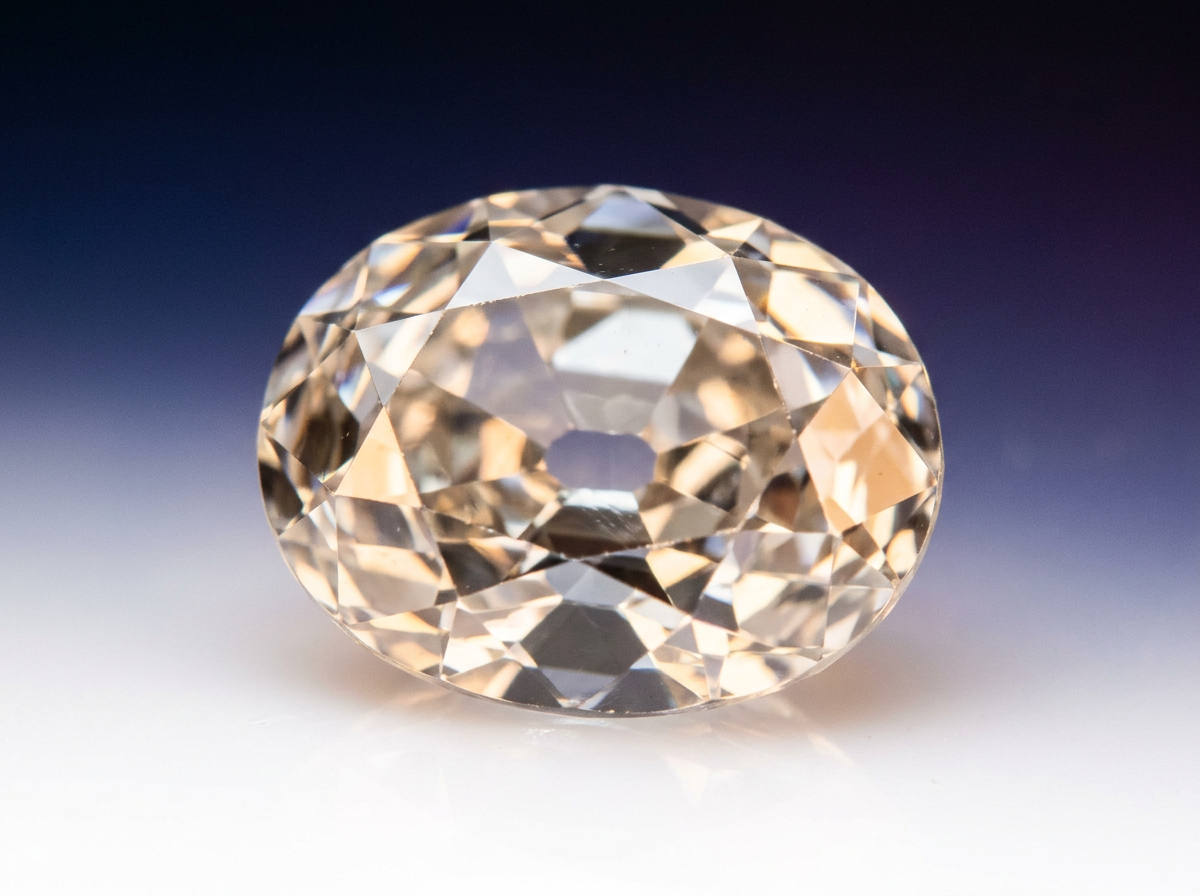
An Old Mine Oval is an oval-outline diamond cut with Old Mine character — a high crown, a large open culet, and chunky, hand-style facets — instead of the squarish-cushion outline the Old Mine Cut is traditionally associated with. Guru Diam stocks 18 Old Mine Oval diamonds on hand, CVD lab-grown, IGI-gradable on request.
It's a niche request even inside the antique-cut category, which is itself a niche category. Most buyers who ask for it already know what an Old Mine Cut looks like and are trying to solve a specific fit problem — a finger, a setting, or a client brief that calls for an elongated shape without giving up the warm, candlelit look that makes Old Mine faceting different from anything modern. This guide goes deeper into what that combination actually is, how it's cut, what it costs, and how to spec and order it as a wholesale buyer.
What an Old Mine Oval Actually Is
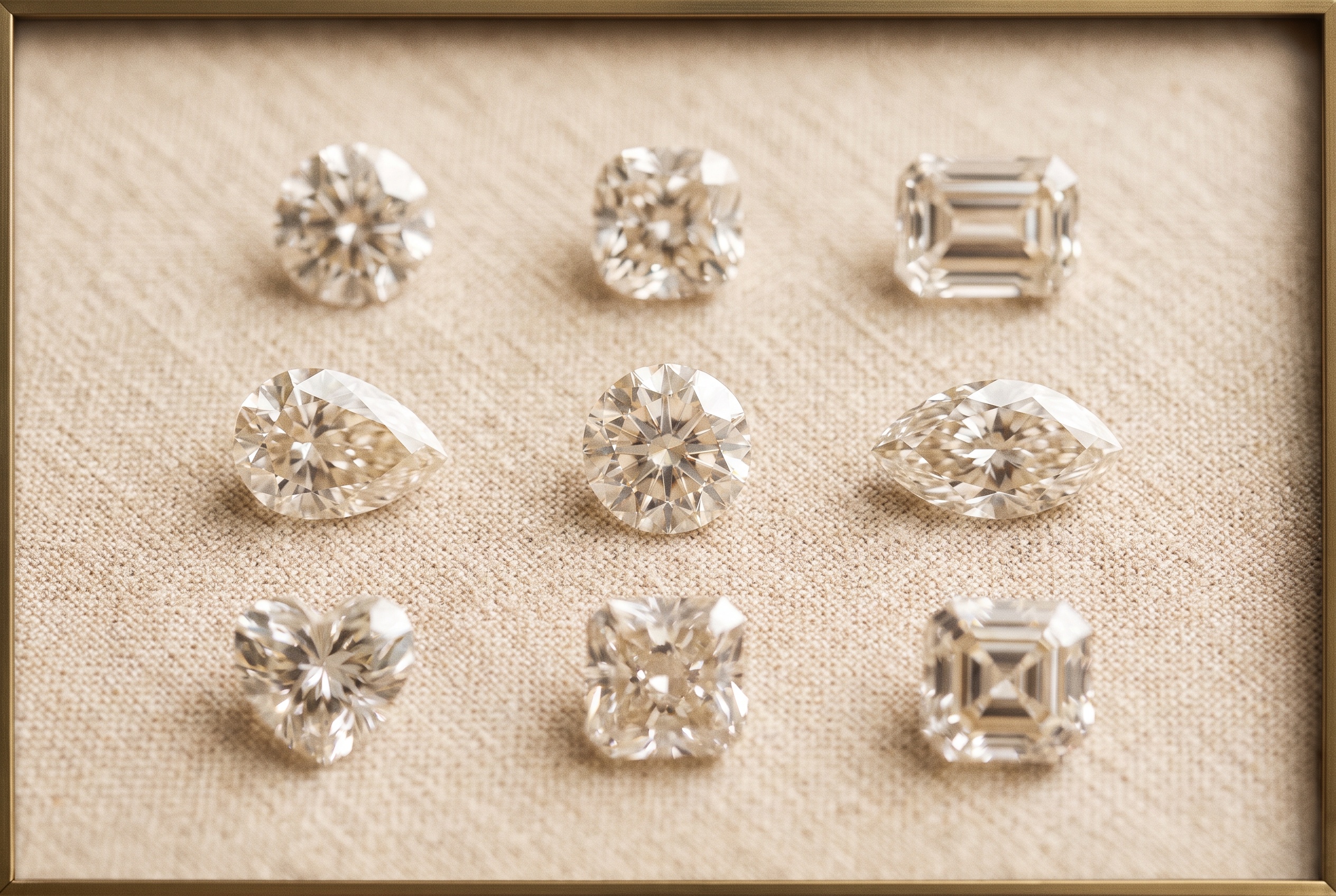
The Old Mine Cut is a faceting style, not an outline. That distinction matters more than it sounds like it should, because most buyers who haven't sourced antique cuts before assume "Old Mine" refers to a shape — usually the squarish cushion with rounded corners that's become the default association. It doesn't. Old Mine describes a set of proportions and a facet arrangement: a high crown, a small table, an open culet you can see with the naked eye, and irregular, hand-cut-style facets that throw broad, warm flashes of light instead of the tight, repetitive brilliance you get from a modern round or oval brilliant.
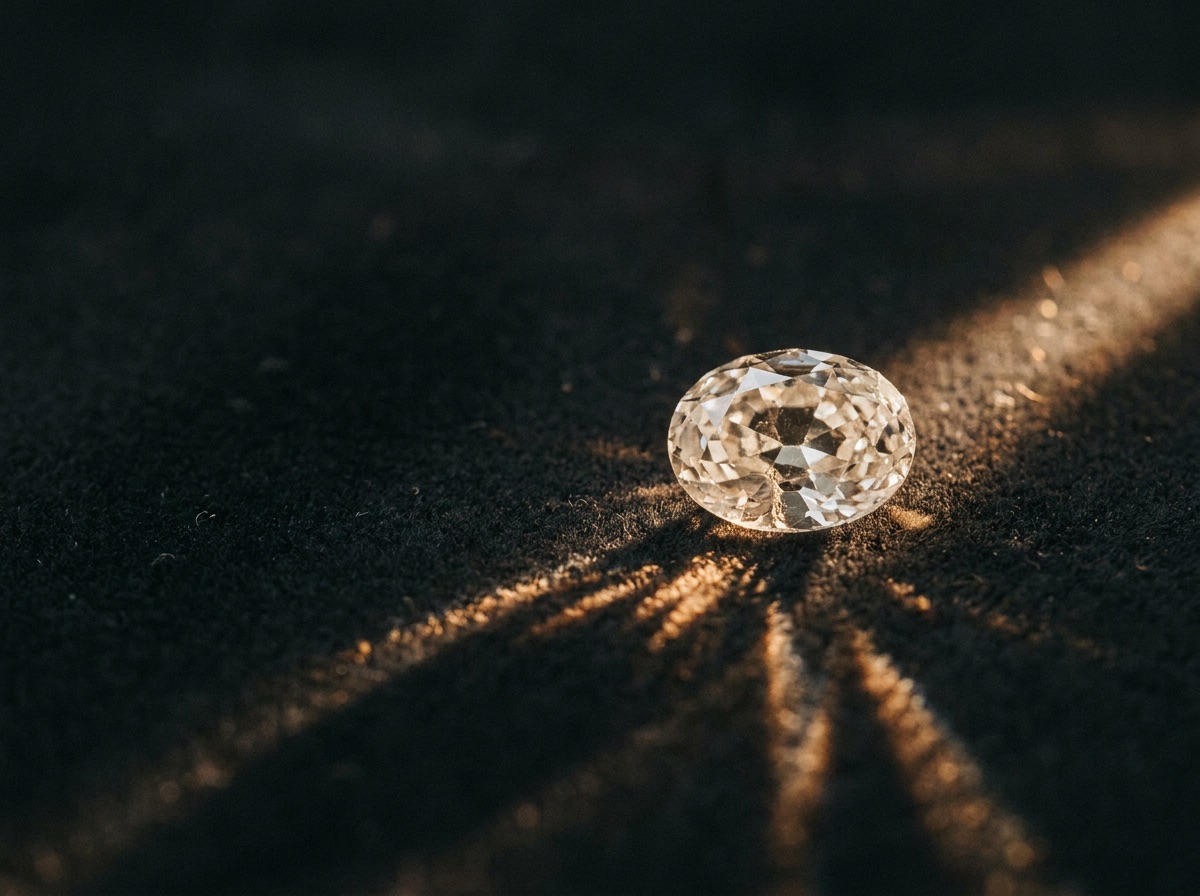
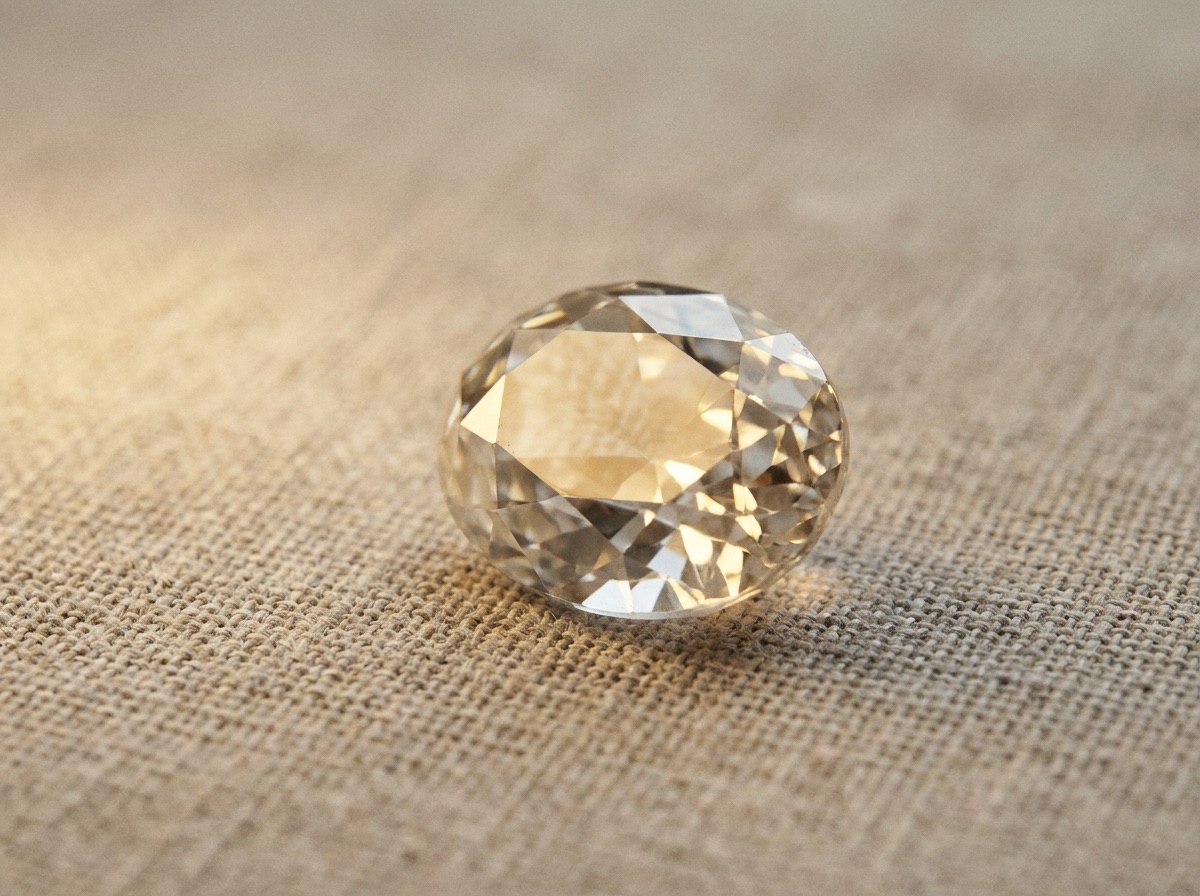
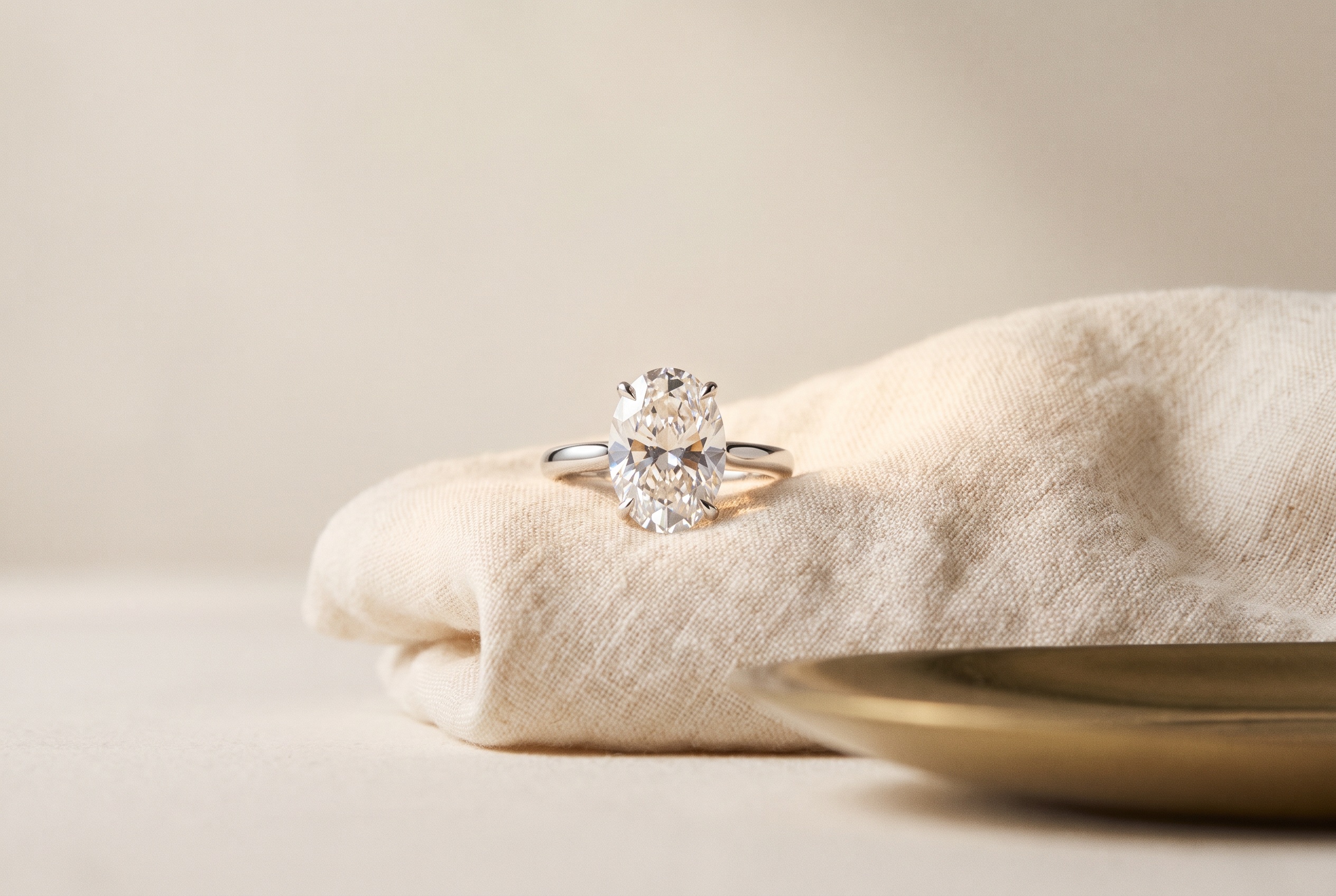
An Old Mine Oval takes that faceting logic — the crown height, the open culet, the facet geometry — and applies it to an elongated oval silhouette instead of the squarish cushion outline. The result reads as unmistakably antique in its light behavior and its profile, but it wears like a modern oval on the hand: elongating, finger-flattering, and easier to pair with a wider range of settings than a true squarish antique cushion.
For the full technical definition of what makes a stone read as "Old Mine" in the first place — crown angle, culet size, facet count, and how those interact with light — see our Old Mine Cut vs Old European Cut guide. Everything in that guide about faceting character applies here; the only variable that changes is the outline.
Facet Structure: How Old Mine Character Reads on an Oval Outline
Applying Old Mine faceting to an oval outline isn't a matter of just stretching the same facet pattern used on a cushion. The proportions have to be re-worked so the light behavior still reads correctly on an elongated shape, and that re-working is where most of the cutting judgment sits.
Crown Height and Table
Old Mine faceting keeps a noticeably higher crown than a modern oval brilliant and a smaller table facet relative to the stone's overall diameter. On a cushion outline, that height distributes fairly evenly around a compact shape. On an oval, the crown has to hold that same height along both the long and short axes without creating a lopsided or "peaked" look at the ends of the stone — which is the most common execution flaw buyers should check for when comparing supply sources.
The Open Culet
The large, often-visible culet is one of the clearest tells that separates an Old Mine stone from a modern brilliant at a glance — even to a buyer who isn't looking through a loupe. On an oval outline, the culet facet has to be sized and centered carefully; because the pavilion is longer and narrower than a cushion's, an oversized or off-center culet reads as a flaw rather than a style choice much faster on an oval than it does on a cushion.
Facet Count and Arrangement
Where a modern oval brilliant runs a fixed, symmetrical facet count designed to maximize scintillation, Old Mine faceting uses fewer, larger, and slightly irregular facets by design. That irregularity is intentional — it's what produces the broad, warm flashes instead of the tight fire of a brilliant cut — but it also means facet placement on an oval outline has more room to go wrong. A well-cut Old Mine Oval should still show clean, deliberate symmetry along both axes; "hand-cut character" describes the light behavior and facet size, not sloppy execution.
Trade History: Where Old Mine Faceting Comes From — and Why Buyers Are Asking for It on an Oval Now
Old Mine faceting dates to a period before modern brilliant-cutting math existed — cutters were working with less precise equipment, prioritizing yield from rough over symmetry, and cutting by eye rather than to a fixed angle table. That's the origin of the high crown, open culet, and irregular facets: they're artifacts of a cutting era, not stylistic choices made for their own sake. The squarish-cushion outline became the dominant association simply because that shape was the most common rough-yield outcome from that period's typical rough stones, not because Old Mine faceting is outline-specific.
The current demand for antique-style cuts — Old Mine, Old European, Rose, Kite, Hexagonal — has been building steadily in the bridal and fine jewelry trade as buyers look for pieces that don't read as mass-produced. Old Mine Oval sits at the intersection of two separate trends: the broader antique-cut revival, and the sustained popularity of the oval outline specifically, which has been one of the most requested shapes in bridal for several years running. Buyers who want both — the warmth and history of Old Mine light behavior, and the elongating, contemporary wearability of an oval — are the ones driving demand for this specific combination. It comes up most often in custom work, where a client has already settled on "Old Mine" as the character they want but needs an outline that suits a specific finger, hand, or existing setting better than a cushion does.
Old Mine Oval vs. Standard Oval Brilliant
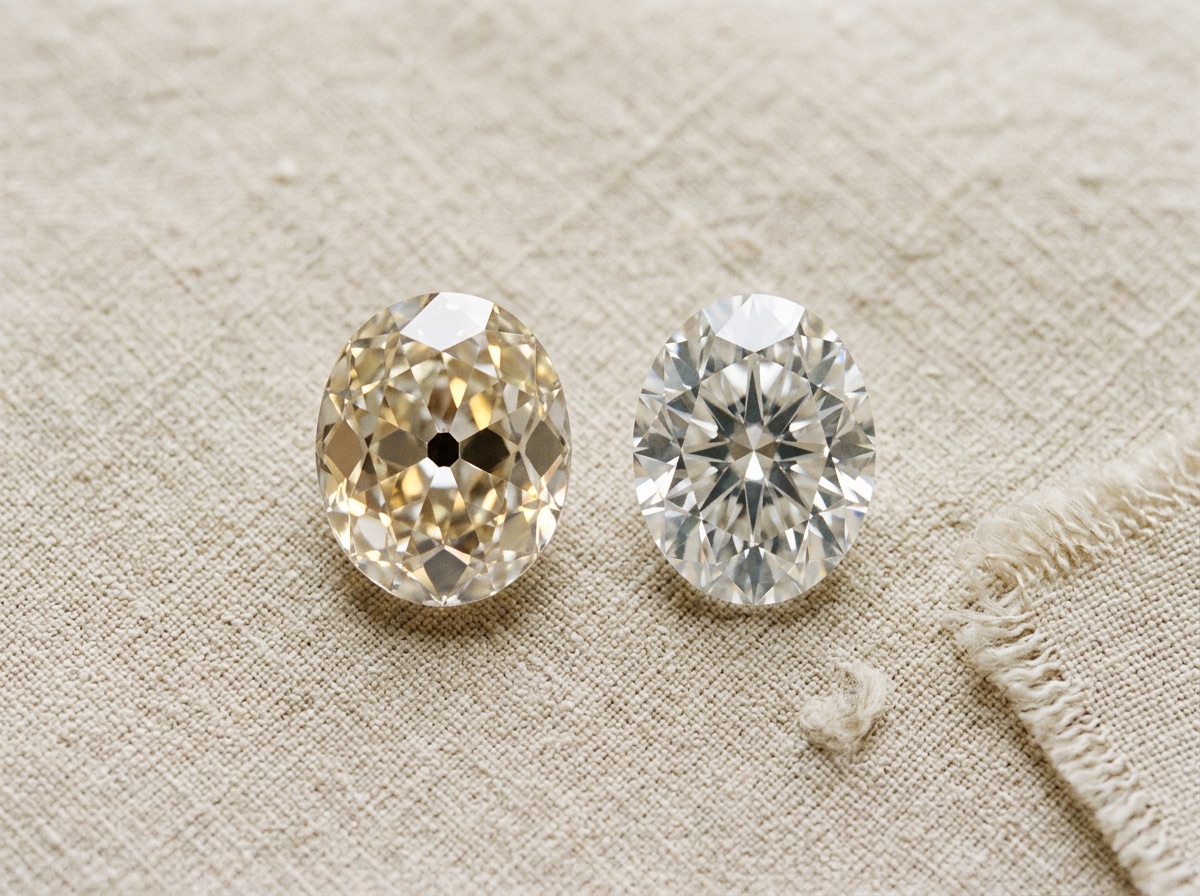
The clearest way to spec the difference for a client or a sales floor is side by side. An oval outline alone tells a buyer nothing about how the stone will actually behave under light — that's entirely a function of the faceting style layered onto it.
| Attribute | Old Mine Oval | Standard Oval Brilliant |
|---|---|---|
| Outline | Elongated oval | Elongated oval |
| Crown height | High | Moderate |
| Culet | Large, often visible | Closed or minimal |
| Facet style | Chunky, irregular-read | Precise, multi-facet brilliant |
| Light behavior | Broad, warm flashes | Bright, high-contrast fire |
| Symmetry | Soft, hand-cut character | Machine-precise |
| Typical carat range on hand | Specialty, limited by stock | Deep parcel availability |
| Best paired with | Antique-style, vintage-inspired settings | Contemporary pavé, halo, or solitaire settings |
| Buyer profile | Custom/bespoke, antique-cut specialists | Bridal volume, mainstream retail |
The bottom line for a sales conversation: outline decides how the stone wears on the hand, faceting decides how it reads under light. A client choosing between these two isn't choosing a shape — they're choosing a mood.
Old Mine Oval vs. Old Mine Cushion
Because the squarish cushion is the default outline most buyers picture when they hear "Old Mine Cut," it's worth spelling out exactly what changes and what stays the same when the outline shifts to oval.
What stays the same: crown height, culet size, facet character, and overall light behavior. A well-matched Old Mine Oval and Old Mine Cushion cut from comparable rough should throw similar warmth and similar flash pattern — that consistency is the entire point of specifying "Old Mine" as a faceting style rather than treating outline and character as one fixed package.
What changes: proportions and wearability. The cushion outline is compact and reads slightly larger face-up per carat than an elongated oval of the same weight, but the oval elongates the finger and suits a narrower band or a more minimal setting more naturally. Buyers sourcing for a client with a specific hand shape or an existing setting often make the outline call independently of the faceting decision, then work backward to source the right combination.
It's also worth flagging a separate, unrelated point of confusion in the trade: "antique cushion" as a marketing term doesn't always mean the same thing as a true Old Mine Cut on a cushion outline — the two get conflated often enough that it affects how buyers spec orders. For the full breakdown of that distinction, see our Antique Cushion vs Old Mine Cut guide.
Old Mine Oval vs. Old European Cut
Old European Cut is the other antique faceting style buyers most often ask about alongside Old Mine, and the two are frequently confused because they share several visual traits — high crown, open culet, warm light behavior — while differing in facet geometry and, historically, in the outline they were most commonly cut on. Old European Cut moved toward a rounder, more symmetrical outline as cutting technology advanced past the earlier Old Mine period, positioning it as a transitional style between Old Mine and the modern round brilliant.
Applied to an oval outline, the distinction narrows to facet arrangement and symmetry precision rather than outline, since both styles can technically be cut on an elongated shape. Old Mine faceting reads more irregular and hand-cut by design; Old European faceting is more symmetrical while still retaining the open culet and warm flash pattern that separates both from a modern brilliant. Buyers deciding between the two for a custom oval build should base the call on how strongly they want the "hand-cut, irregular" read versus a slightly more refined antique look. For the complete faceting comparison between the two styles, see our Old Mine Cut vs Old European Cut guide.
How Guru Diam Sources and Cuts Old Mine Oval Diamonds
Old Mine Oval is CVD lab-grown and cut in-house, following the same faceting approach we use across our Old Mine and broader antique-cut inventory. Because the combination is low-volume by nature — it's a specialty request layered on top of an already-specialty faceting style — we don't carry it stocked as deep as commodity shapes. Buyers sourcing it should expect to work from current on-hand stock for standard orders, and to plan around cutting to spec for larger runs or custom carat weights rather than pulling from a deep parcel.
Cutting to spec means we can take a client's brief — target carat weight, crown height preference, culet size, and how strong they want the "warm flash vs. bright fire" character to read — and cut against that brief rather than offering only what happens to be on hand. This is the same in-house cutting, setting, and polishing control we apply across the antique-cut catalog, which is what makes low-volume specialty requests like this one viable to fulfill at all; a supplier without in-house cutting control would have no way to produce a specific Old Mine Oval spec on demand.
Grading and Quality Considerations for Old Mine Oval Diamonds
Cut Grade Doesn't Apply the Way It Does to a Modern Oval
Standard cut-grade scales (Excellent/Very Good/Good, or equivalent) are built around modern brilliant proportions optimized for maximum light return. Old Mine faceting deliberately departs from those proportions — the high crown and open culet that define the style would score poorly on a scale designed to reward a completely different light-behavior goal. Buyers and their clients should evaluate an Old Mine Oval on execution of the antique character (clean symmetry within the style, proportional culet, consistent facet size) rather than expecting or asking for a standard "Excellent" cut grade, which isn't the right yardstick for this category.
Color and Clarity Priorities
Because Old Mine faceting produces broader, warmer flashes rather than tight brilliance, small inclusions and minor color variation tend to be less visually disruptive than they would be in a modern brilliant, where every facet is engineered to maximize light return and expose flaws. That said, buyers building for a client who wants a bright, icy-white look — the high-contrast pairing popularized in antique-inspired settings using icy-white stones against darker metal — should still prioritize higher color grades, since the warmth of Old Mine light behavior compounds with warmer body color rather than masking it.
Certification: IGI, GIA, and GCAL
Old Mine Oval diamonds are IGI-gradable on request as standard, with GIA available on request as well — consistent with the rest of our antique-cut inventory. GCAL certification is also available across our catalog for buyers who need it for a specific client or market. Because cut-grade scales don't map cleanly onto antique faceting, the certification report for an antique-style stone typically carries more weight on color, clarity, and measurements than on a cut-grade call — worth flagging to clients who are used to reading a standard round-brilliant grading report.
Pricing Factors: What Actually Moves the Cost
Cutting Yield and Labor
Old Mine faceting sacrifices yield compared to a modern brilliant cut for the same rough — the proportions that create the antique look (high crown, open culet, larger facets) simply use the rough less efficiently than a cut optimized purely for weight retention. Applying that faceting to an oval outline, which is already less yield-efficient from round rough than a round brilliant, compounds the effect. That lower yield, combined with the additional cutting judgment required to keep the antique character consistent across an elongated shape, is the primary driver of the premium over both a commodity oval brilliant and a standard Old Mine Cushion of comparable size.
Size and Rarity Tiers
As with any specialty cut, price scales faster than linear as carat weight increases, because larger clean rough suitable for this combination is harder to source and the cutting risk (a flawed facet on a larger, more visible stone is a bigger loss) goes up with size. Smaller melee-adjacent sizes are comparatively easier to source consistently; center-stone sizes in the 1ct+ range should be treated as a custom-cutting conversation rather than an off-the-shelf pull, given how thin the on-hand inventory runs at that tier.
Matched Pairs Carry a Premium
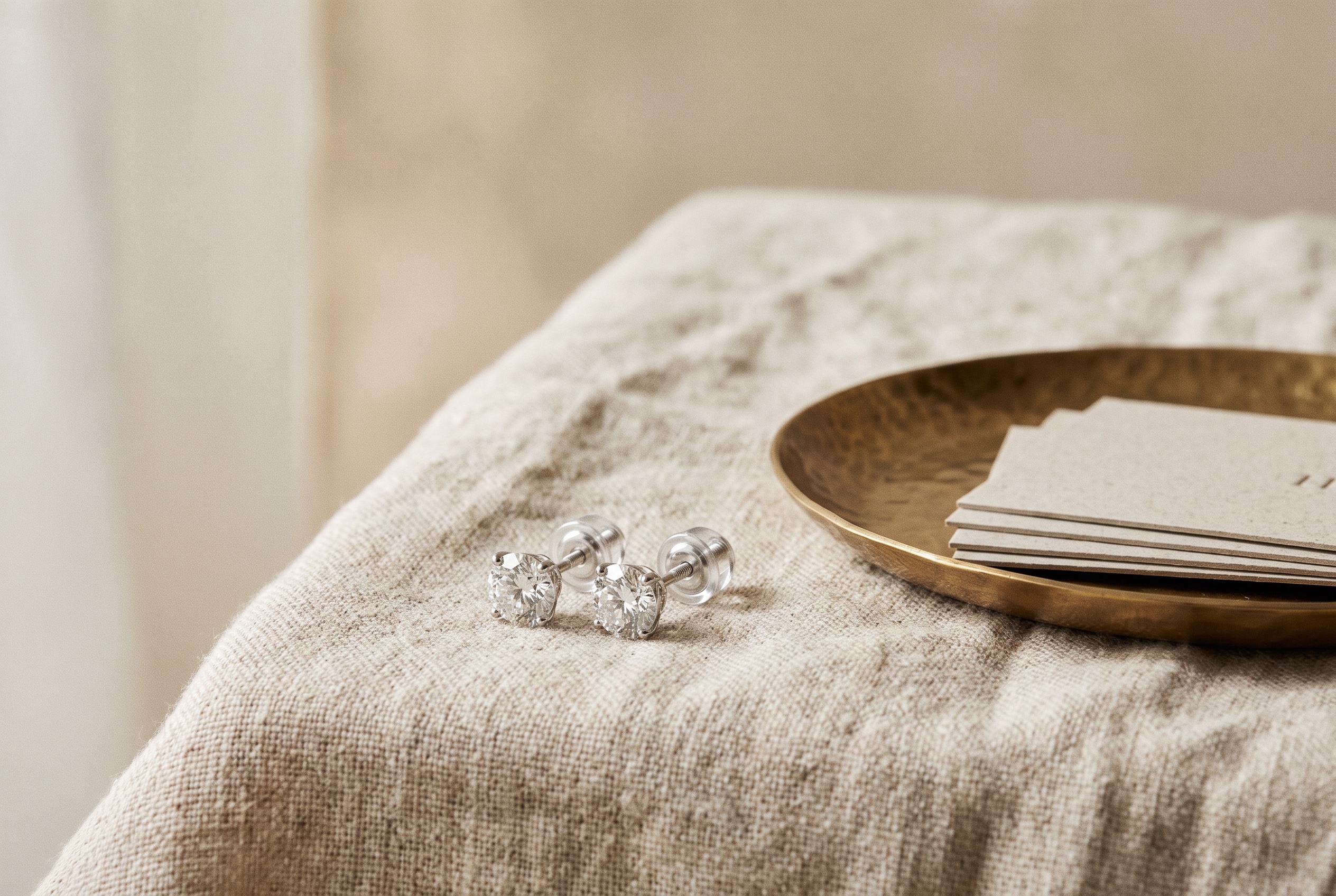
Matching two Old Mine Oval stones for stud earrings or side stones — for outline, crown height, and tone — takes meaningfully longer than matching two modern oval brilliants, because the irregular facet character that defines the style also makes visual matching harder to verify quickly. Expect matched-pair sourcing to run longer and carry a modest premium over two individually sourced stones of similar spec, which is standard across our antique-cut matched-pair process. See our Old Mine Cut matched pair guide for more on how we approach pair-matching across the category.
Styling and Use-Case Guidance
Solitaire and Three-Stone Rings
Old Mine Oval reads strongest in settings that don't compete with its light behavior — a simple solitaire or a three-stone build with smaller antique-cut side stones (Kite, Half-Moon, or a smaller Old Mine) lets the broad, warm flash of the center stone stay the focal point. Low-profile, antique-style prong or bezel settings that echo the era the faceting style comes from tend to outperform heavily embellished modern mountings for this stone.
Studs and Side Stones
Matched pairs work well as studs precisely because the warm, soft light behavior reads as a pair rather than competing for individual sparkle — a trait that plays differently than matched modern brilliants, which are chosen for maximum individual fire. As side stones flanking a larger antique center, Old Mine Oval keeps the faceting language consistent across the whole piece rather than mixing antique and modern light behavior in the same setting.
Setting Metal and Style Pairing
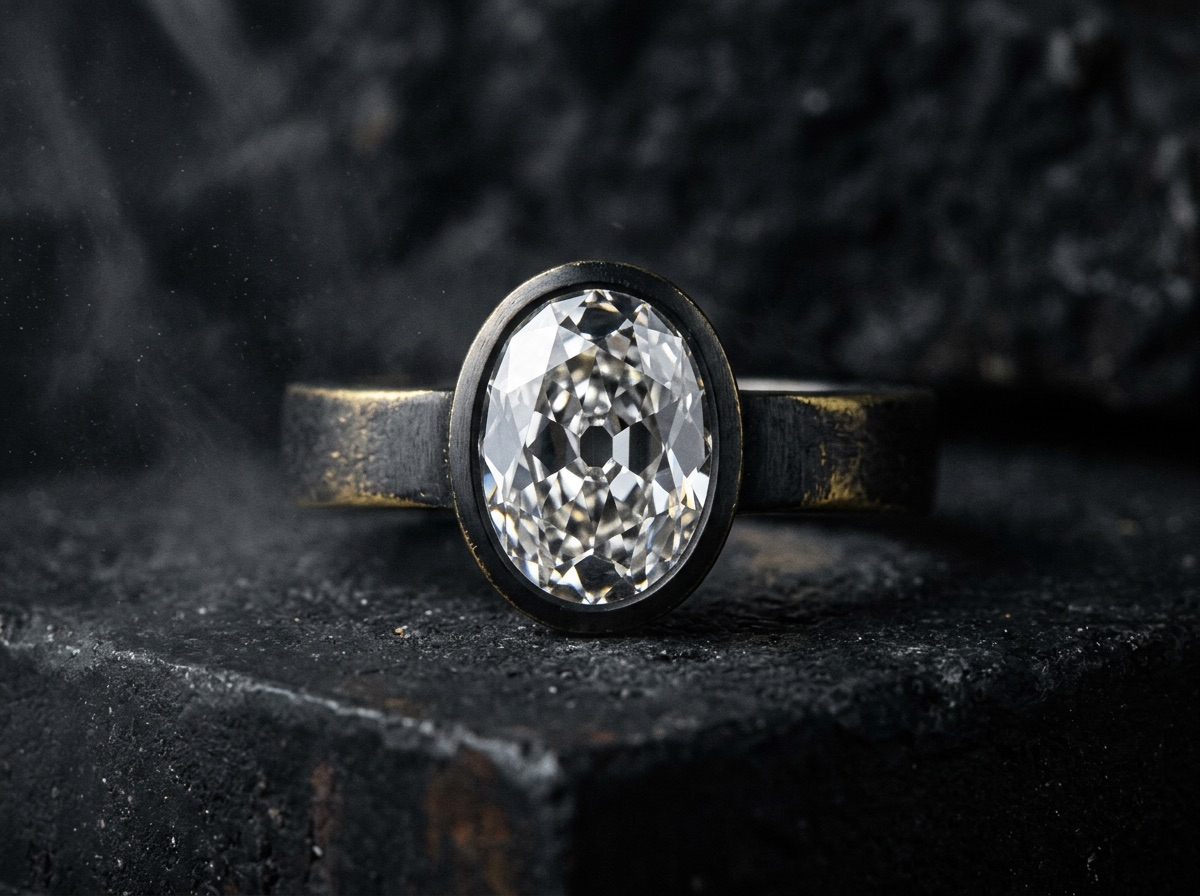
Buyers building toward the current antique-revival look — icy-white antique-cut stones set high-contrast against a darkened metal, sometimes described as a "blackened gold" or Georgian-inspired register — should note that this pairing rewards higher color grades on the stone, since the contrast is the point. For a warmer, more traditional antique presentation, yellow gold and slightly warmer color grades read more true to the period the faceting style originates from. Either direction works; the call should be made based on the client's overall metal and stone-color direction for the piece, not treated as a fixed rule.
How to Order Old Mine Oval Diamonds Wholesale
Old Mine Oval is sold through the same wholesale process as the rest of our antique-cut catalog. Buyers open a wholesale account for live pricing and current on-hand inventory — pricing on a specialty item like this isn't listed as a static number precisely because availability and size mix shift stone to stone. For standard orders, we work from current stock; for larger runs, custom carat weights, or a specific crown-height and culet brief, we cut to spec rather than asking a buyer to wait on the right rough to show up in general inventory.
Matched pairs for stud or side-stone use can be requested at the same time as an initial inquiry — flagging the pairing need up front lets us source and match from the same rough lot where possible, which produces a tighter match than pairing two stones sourced independently after the fact. Buyers working on a custom build that also calls for a finished setting can route the whole project — stone, cutting to spec, and setting — through Guru Diam as one order rather than splitting stone-sourcing and jewelry manufacturing across two vendors; custom ring builds built around a center stone like this are typically finished in 4–6 days once the stone and setting are confirmed.
Buyers who need the same faceting character in a fancy color stone — Yellow, Pink, Blue, or Green — should raise that with their account contact directly rather than assuming it's stocked; fancy color antique-cut combinations are handled as a custom request rather than an on-hand category.
Frequently Asked Questions
Q: What is an Old Mine Oval cut diamond?
An oval-outline diamond cut with Old Mine faceting character — high crown, open culet, chunky hand-style facets — rather than the squarish-cushion outline traditionally associated with Old Mine Cuts.
Q: How is an Old Mine Oval different from a regular oval diamond?
A standard oval brilliant uses precise, tightly faceted modern cutting for bright, high-contrast fire. An Old Mine Oval keeps the antique Old Mine faceting — a higher crown, a larger open culet, and broader, warmer light flashes — on an oval outline.
Q: What is an Old Mine Cut in general?
See our full Old Mine Cut vs Old European Cut guide for the detailed definition, history, and comparison to Old European Cut — the Old Mine Oval applies that same faceting character to a different outline.
Q: Does an Old Mine Oval get a standard cut grade like a modern oval brilliant?
No. Standard cut-grade scales are built around modern brilliant proportions and don't map cleanly onto Old Mine faceting's high crown and open culet. Buyers should evaluate execution of the antique character — symmetry within the style, proportional culet, consistent facets — rather than expecting an "Excellent" cut-grade call on the report.
Q: Can Old Mine Oval diamonds be matched as pairs?
Yes, matched pairs can be sourced on request for stud earrings or side stones, matched for outline, crown height, and tone the same way our Old Mine Cut pairs are matched. Flagging the pairing need at inquiry lets us source from the same rough lot where possible for a tighter match.
Q: Are Old Mine Oval diamonds certified?
IGI-gradable on request as standard, GIA available on request, and GCAL available across the catalog — consistent with the rest of our antique-cut inventory.