
A lab-grown diamond retailer is a jewelry business — an independent jeweler, a boutique, or a larger retail chain — that sells lab-grown (CVD) diamonds, loose or set into finished jewelry, directly to end consumers. Behind every retail lab-grown diamond sale is a wholesale sourcing decision: where the retailer bought that inventory, on what terms, and how they priced it for resale. This guide covers that sourcing side specifically — what retailers should stock, how to vet a wholesale supplier, and how retail pricing typically works relative to wholesale cost.
Most content on this topic falls into one of two buckets: general "what is a lab-grown diamond" consumer education, or supplier-comparison listicles ranking specific wholesalers against each other. This guide is neither — it's a practical operating guide for a retailer figuring out how to build and manage lab-grown inventory as a real part of their business, written from the sourcing and business-operations side of the counter.
Why Retailers Are Adding Lab-Grown Diamonds to Their Inventory
Lab-grown diamonds have moved from a niche alternative to a mainstream category that most jewelry retailers now stock alongside natural diamonds, for a few consistent reasons: lower cost per carat lets retailers offer larger or higher-clarity stones at a given price point, growing consumer demand specifically requests lab-grown by name rather than treating it as a fallback, and margin structure on lab-grown inventory can be attractive relative to comparable natural stock. A retailer who doesn't carry lab-grown at all is increasingly leaving a real segment of walk-in and online demand unaddressed.
What a Lab-Grown Diamond Retailer Actually Needs to Stock
Building a lab-grown assortment isn't a single decision — it spans a few distinct inventory categories, and most retailers build toward carrying a version of each over time:
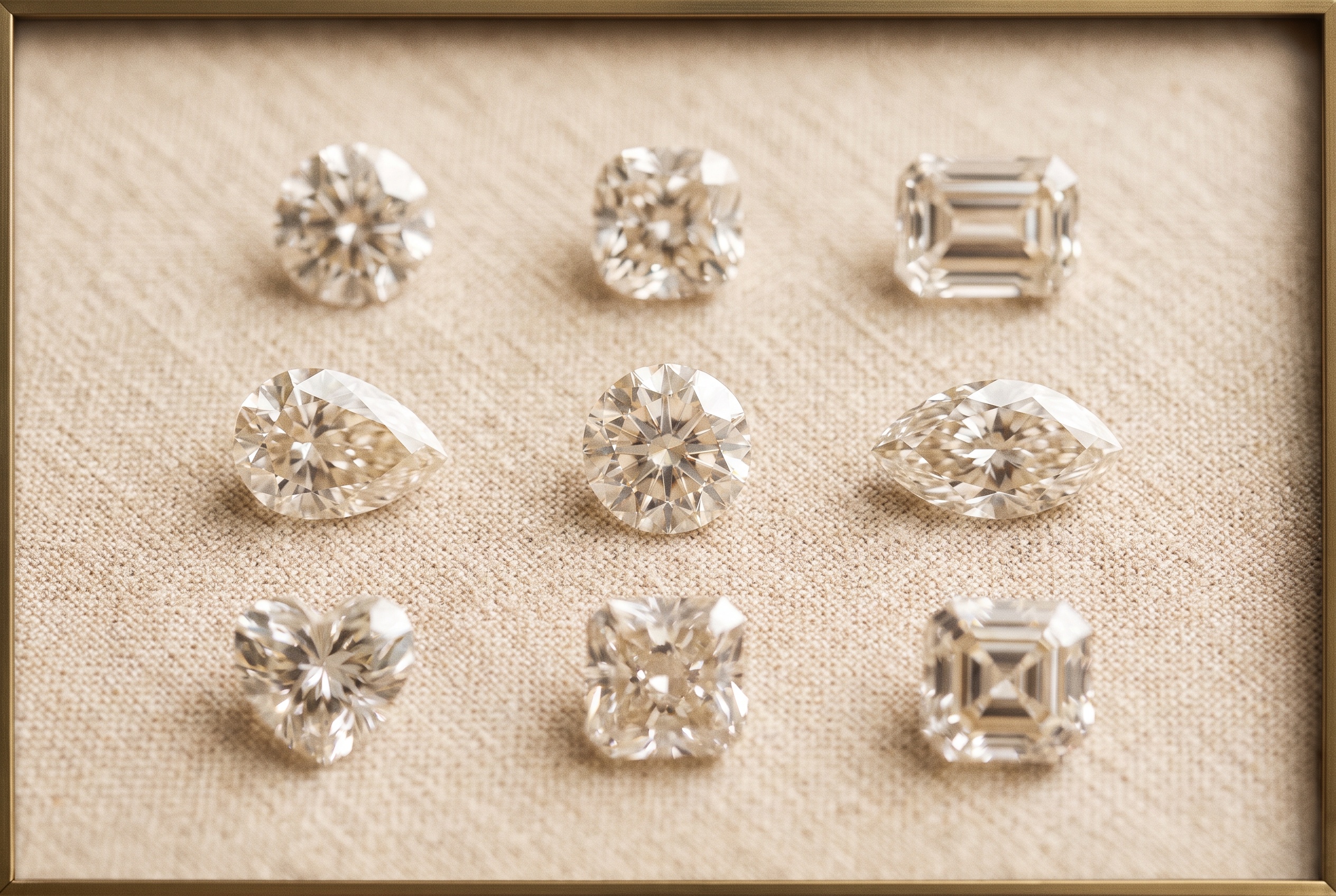
- Loose center stones across the shapes and quality tiers their customer base actually asks for — round brilliant and a handful of popular fancy shapes cover the bulk of demand for most retailers.
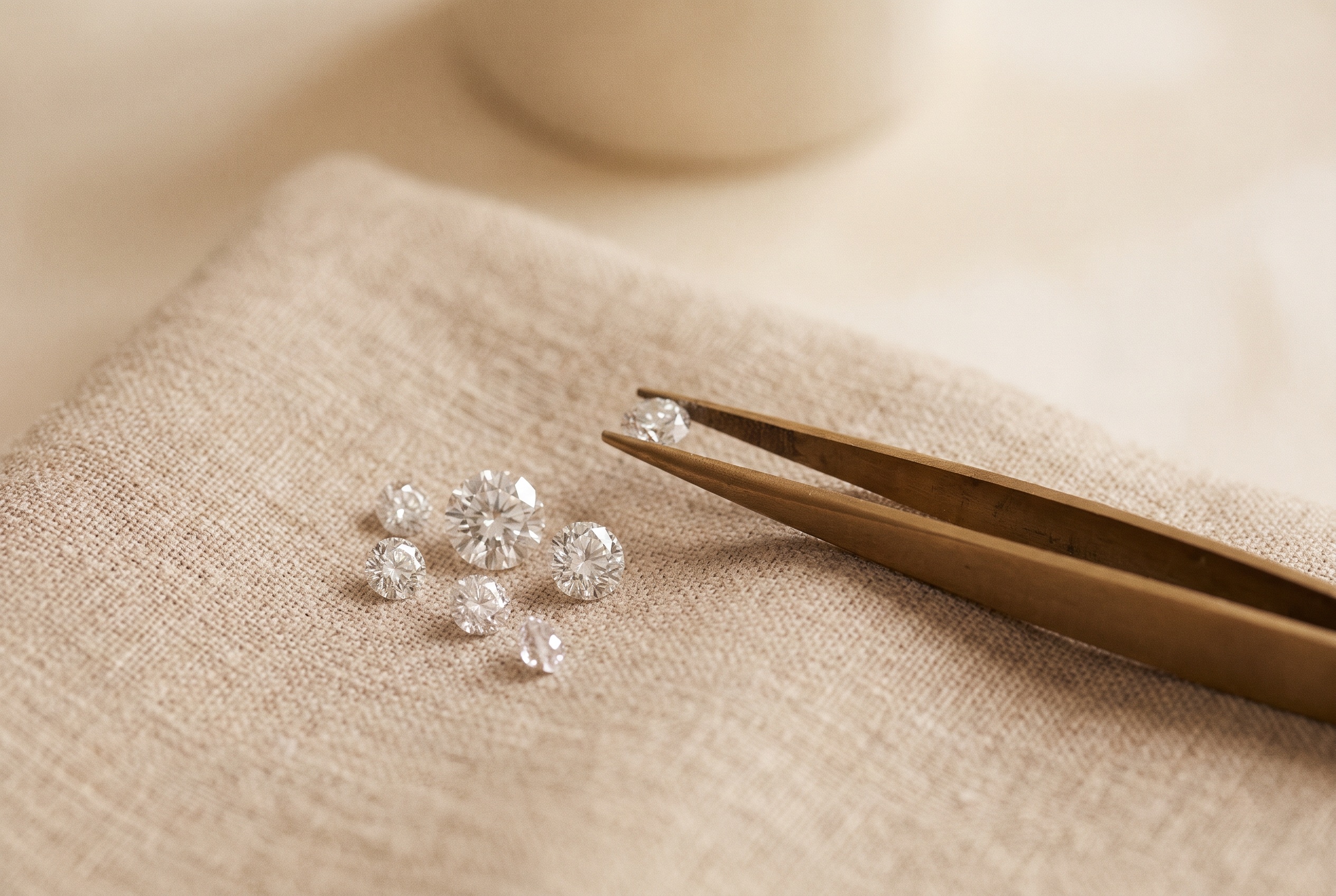
- Melee for pavé, halo, and accent work if the retailer offers any custom or repair services in-house or through a manufacturing partner.
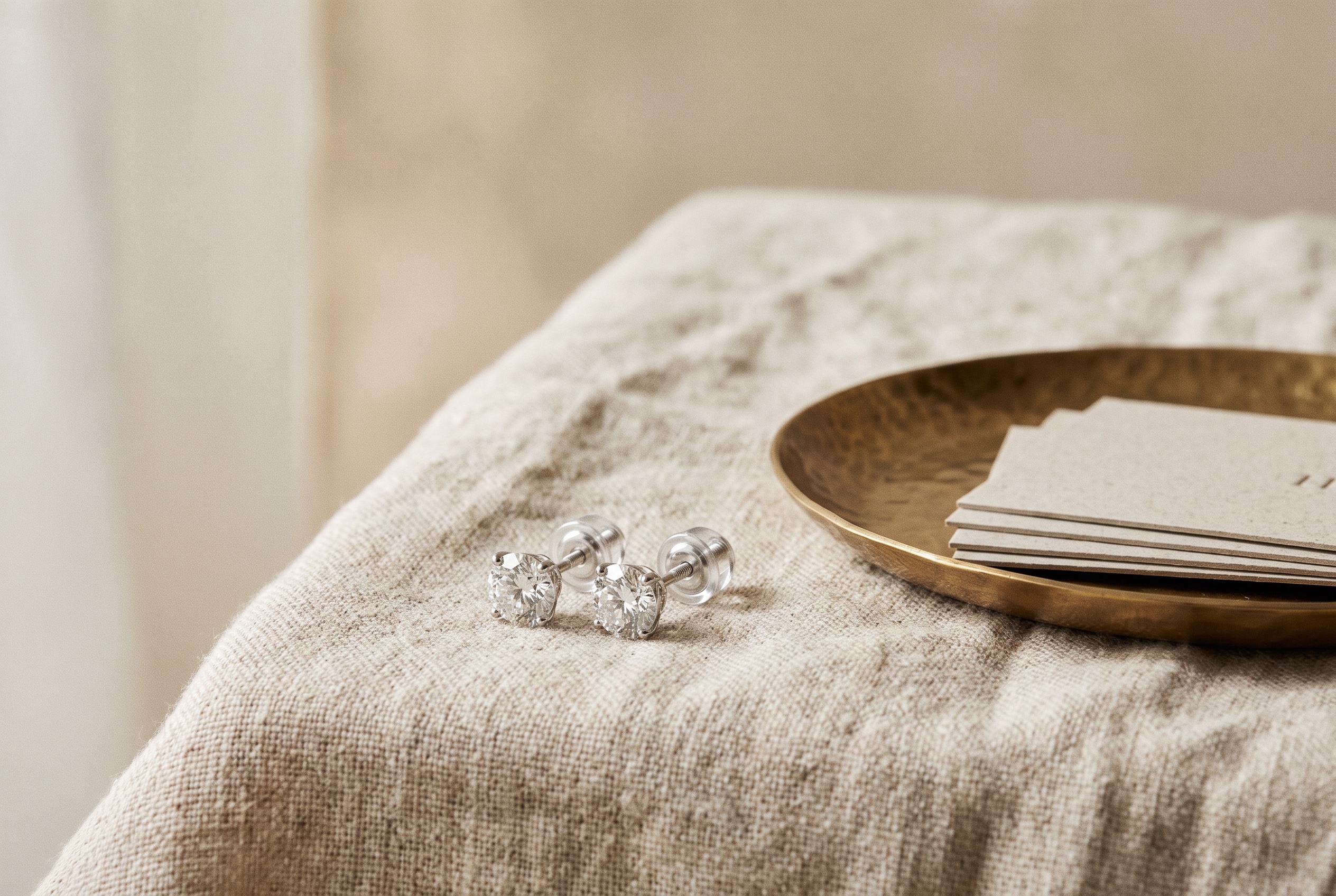
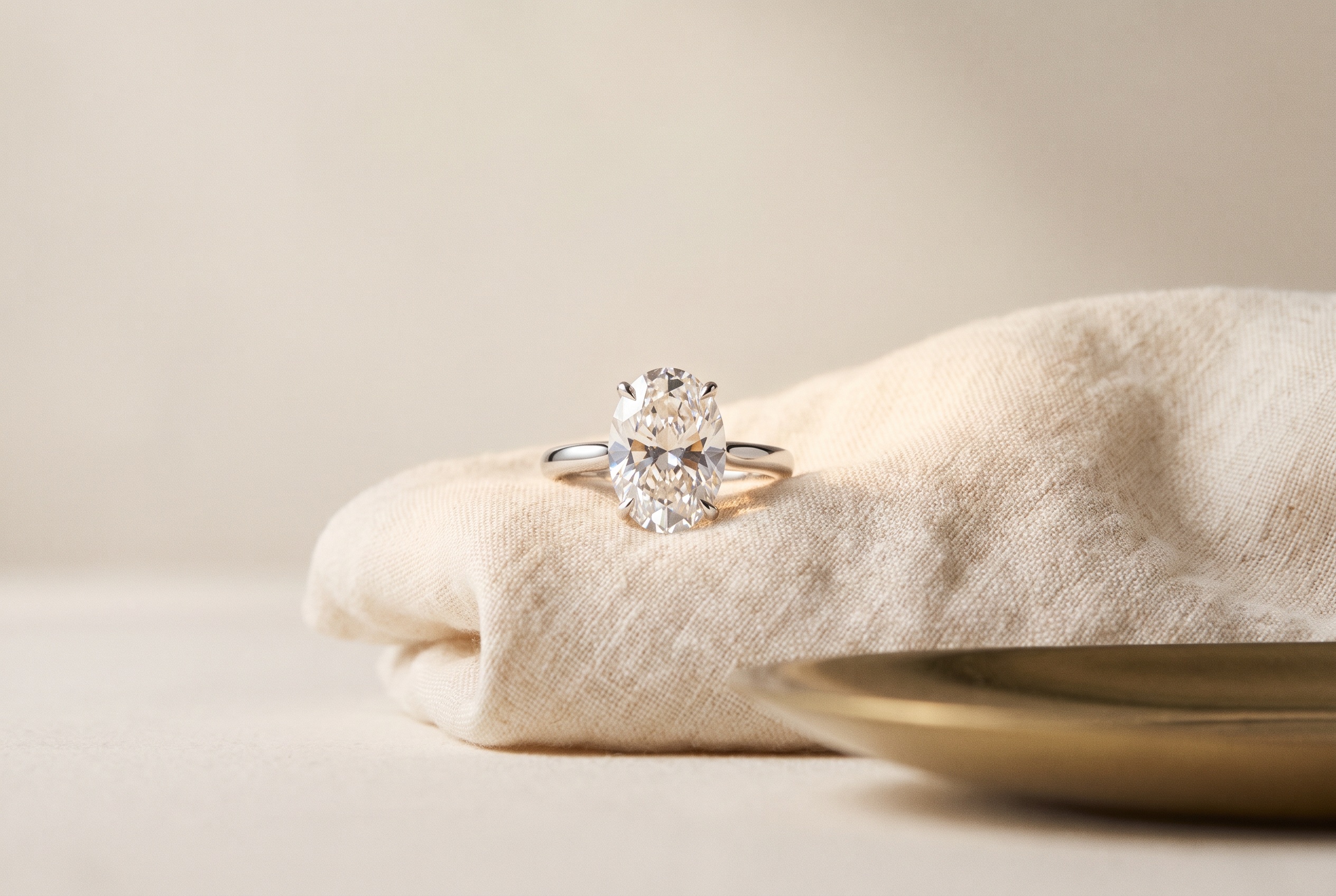
- Finished lab-grown pieces — rings, earrings, pendants — for customers who want to buy off the case rather than build a custom piece.
- A certified inventory mix spanning certification labs, since different customers place different weight on GIA versus IGI versus GCAL depending on what they've researched or what a competitor showed them.
Retailers new to the category often start narrow (a small run of popular round-brilliant sizes and grades) and expand into fancy shapes and finished pieces once they have a read on their own customer demand, rather than trying to stock the full range from day one.
Vetting a Wholesale Lab-Grown Diamond Supplier
Choosing where to source inventory is the single decision that most affects a retailer's ability to actually run the lab-grown side of their business well. Key things to check:
| What to Check | Why It Matters to a Retailer |
|---|---|
| Certification labs offered | Different customers trust or specifically request different labs; a supplier limited to one lab constrains what you can offer |
| Inventory depth at target specs | A retailer needs the same shape/grade combination reliably available across repeat orders, not just a one-time match |
| Shipping speed on in-stock items | Fast turnaround lets a retailer quote realistic delivery to their own customer rather than an open-ended wait |
| Return/exchange policy | A workable return policy matters when a customer changes their mind on a specific stone before final sale |
| Breadth beyond lab-grown alone | A supplier who also carries natural stones and finished jewelry lets a retailer consolidate more of their sourcing with one vendor |
| Trade account terms | Payment terms and credit availability affect a retailer's own cash flow, especially when building out a new inventory category |
How Retail Pricing on Lab-Grown Diamonds Typically Works
Retailers apply their own margin on top of wholesale cost, same as with any inventory category — the specific markup varies by business model, market, and how the retailer positions lab-grown relative to natural in their own showroom. What's specific to lab-grown is the underlying cost base: because wholesale lab-grown cost per carat runs meaningfully below comparable natural stones, retailers have more room to structure competitive retail pricing while maintaining healthy margins than they typically do on natural inventory at the same retail price point. For a deeper look at how wholesale lab-grown pricing itself is structured, see our diamond wholesale guide.
Educating End Customers About Lab-Grown Diamonds
A large part of a retailer's job when selling lab-grown inventory is answering the same handful of questions repeatedly: is it a "real" diamond, how does it compare to natural, will it hold value, and how is it graded. Retailers who can answer these clearly and confidently close lab-grown sales more easily than those treating the category as an afterthought. Our what is a lab-grown diamond guide and lab-grown diamond vs. moissanite guide are both written at a level retailers can point customers to directly, or draw language from for their own sales floor training.
Certification: What Retailers Should Tell Customers
Every lab-grown diamond a retailer sells should carry a grading report that explicitly states laboratory-grown origin — this isn't optional, and a retailer selling lab-grown stones without clear certification and disclosure is exposing themselves to real regulatory and reputational risk under FTC disclosure rules. Retailers should be able to explain, plainly, which lab certified a given stone and what that means for the customer, rather than treating certification as a formality buried in the paperwork. See our diamond graders guide for a full breakdown of how GIA, IGI, and GCAL compare.
Online vs. In-Store Lab-Grown Retail
Retailers selling lab-grown diamonds increasingly operate across both an in-store showcase and an online storefront, and the two channels place slightly different demands on sourcing. In-store retail benefits from having a reasonably deep on-hand inventory across popular shapes and sizes so customers can see and compare physical stones during a visit, while online retail can lean more heavily on a supplier's fast turnaround and reliable in-stock availability, quoting and shipping specific stones to fulfill an order rather than holding everything on-site. A retailer building an online channel should weight supplier shipping speed and order-status transparency even more heavily than a purely in-store retailer would, since online customers expect clear delivery timelines in a way walk-in customers generally don't.
Seasonal Demand Planning for Lab-Grown Inventory
Diamond retail — lab-grown included — follows fairly predictable seasonal demand patterns, with the run-up to the holiday season and the period around Valentine's Day typically representing the heaviest engagement-ring and gift-giving volume of the year. Retailers who plan inventory ahead of these periods, confirming supplier lead times and stock levels well before peak demand hits, avoid the scramble of trying to special-order popular specifications during the exact window when suppliers themselves are busiest. Building a slightly deeper on-hand buffer of popular round-brilliant and fancy-shape sizes heading into these seasonal peaks is a common, low-risk way retailers protect themselves against stockouts during their highest-revenue weeks of the year.
How to Talk to Customers Comparing Lab-Grown to Natural
Retail sales staff fielding lab-grown questions do best with a straightforward, balanced explanation rather than either an aggressive sales pitch or a dismissive "it's basically the same thing" brush-off. A useful framing: both are real, chemically identical diamonds, graded on the same 4Cs by the same major labs; the meaningful differences are origin, price per carat, and the maturity of the resale market, not physical or optical quality. Customers respond well to sales staff who can explain this plainly and let the customer weigh origin, budget, and personal preference themselves, rather than staff who oversell one category as objectively "better" than the other. Retailers training new sales staff on this topic often find it useful to walk through our what is a lab-grown diamond guide as base-level training material.
Building a Repeat Sourcing Relationship vs. One-Off Purchases
Retailers who treat lab-grown sourcing as a series of one-off purchases from whichever supplier has the lowest price that week tend to struggle with consistency — different color/clarity character from order to order, unpredictable lead times, and no leverage to negotiate better terms over time. Retailers who instead build a primary sourcing relationship with one or two trusted wholesale suppliers typically get more consistent inventory, faster turnaround, and better terms as their order history grows, even if the per-stone price isn't always the absolute lowest available on any single transaction.
Displaying Lab-Grown Diamonds Alongside Natural in a Showroom
Retailers carrying both natural and lab-grown inventory face a display decision that affects the customer experience directly: presenting the two categories clearly labeled and separated, versus mixing them together by shape or price point. Clear separation, with visible signage distinguishing origin, tends to build customer trust and simplifies FTC-required disclosure — a customer should never have to ask which category a displayed stone belongs to. Many retailers find that a side-by-side comparison display, showing a lab-grown and natural stone of similar specification next to each other with price clearly marked for both, actually helps close sales rather than hurting them, since it lets the customer see directly what the price difference buys (or doesn't visually buy) at a given quality tier.
Staff Training for Lab-Grown Diamond Sales
Sales staff who understand the category confidently outperform staff who treat lab-grown as a lesser or secondary product. Effective training typically covers: the basic CVD growth process in plain language, how certification and disclosure work, how to answer the "is it real" and "will it hold value" questions honestly and consistently, and how to present lab-grown as a genuine choice rather than a downsell from natural. Retailers who invest in this training upfront generally see lab-grown convert at a rate much closer to natural than retailers who leave staff to improvise answers on the sales floor, since customer hesitation on lab-grown is very often really hesitation caused by an unclear or inconsistent explanation from staff, not genuine reluctance about the category itself.
Inventory Turnover and Cash Flow Considerations
Lab-grown inventory generally turns over differently than natural inventory for a retailer, in part because its lower price point per carat can mean faster unit turnover at a similar dollar volume, and in part because falling production costs over time have historically put some downward pressure on lab-grown resale and even new-inventory pricing — a dynamic natural inventory hasn't faced in the same way. Retailers should factor this into how much lab-grown inventory they hold on hand at any given time versus how much they source closer to point-of-sale from a fast-shipping wholesale supplier, since holding a large lab-grown inventory position for an extended period carries more pricing risk than holding an equivalent natural inventory position typically does.
Common Sourcing Mistakes New Lab-Grown Retailers Make
- Stocking too narrow a shape range based on personal preference rather than actual customer demand data.
- Choosing a supplier based only on lowest listed price, without evaluating inventory depth, certification options, or reliability.
- Underestimating how much customer education the sales floor needs before lab-grown converts as well as natural does for a given store.
- Not confirming FTC-compliant disclosure language is being used consistently across in-store signage, receipts, and online listings.
Sourcing Wholesale Lab-Grown Inventory from Guru Diam
Guru Diam is a trade-only wholesale supplier built to serve retailers stocking lab-grown inventory: CVD lab-grown diamonds across standard, antique, and exotic shapes, with IGI, GIA, and GCAL certification all available, plus natural diamonds and finished jewelry under the same account — one supplier for a retailer's full diamond assortment rather than a narrow lab-grown-only source. In-stock inventory ships same-day from our New York (before 6pm EST) and Los Angeles (before 4pm PST) locations, and custom pieces finish in 4–6 days. Browse certified inventory in the certified diamonds category, explore fancy color stock in fancy color loose diamonds, or source matched pairs through matching pairs. Apply for a retail trade account through trade partner or review current terms at the wholesale hub; custom pieces can start at custom jewelry.
Handling Custom Requests: Sourcing to a Client's Specific Brief
A meaningful share of lab-grown diamond retail runs through custom requests — a client who wants a specific carat weight, shape, and budget for an engagement ring or another significant piece, rather than choosing from what's already on display. Serving these requests well depends on the retailer's wholesale supplier being able to quickly source (or confirm availability of) a stone matching that exact brief, then communicate a realistic timeline back to the retailer so they can, in turn, set accurate expectations with their client. Retailers who can turn around a custom sourcing request quickly and reliably — checking availability, quoting a price, and confirming a delivery window within a day or two rather than leaving a client waiting on an open-ended inquiry — tend to convert more custom requests into actual sales, since client interest and urgency both tend to fade the longer a sourcing question stays unanswered.
Repair and Replacement Stone Sourcing for Lab-Grown Pieces
Beyond new sales, retailers offering repair services need a reliable way to source individual replacement stones — a lab-grown diamond lost from a prong, or a stone needing replacement due to damage — that match an existing piece as closely as possible. This is a lower-volume but recurring need that benefits from the same supplier relationship a retailer already uses for new inventory, since a supplier already familiar with the retailer's typical specifications and standards can usually match a replacement stone faster than starting a sourcing search from scratch with an unfamiliar vendor. Retailers who route repair-related sourcing through their primary wholesale relationship, rather than treating it as a separate one-off problem each time, generally get faster turnaround on repair jobs and a more consistent match to the original piece.
Working With a Manufacturing Partner for Custom Lab-Grown Pieces
Retailers offering fully custom pieces — not just selecting from finished stock — typically coordinate between two relationships: a diamond wholesale supplier for the stone itself, and a jewelry manufacturing or CAD/casting partner to build the setting. Some wholesale diamond suppliers also offer finished-jewelry and custom-build services directly, which can simplify this for a retailer by consolidating both the stone and the build under one vendor relationship rather than managing two separate suppliers and two separate timelines that both need to align before a piece is ready for the client. Retailers evaluating a diamond supplier should ask whether custom build services are available under the same account, since that single-vendor path generally produces a more predictable overall timeline than coordinating loose-stone delivery and setting fabrication across two unrelated businesses.
Setting Realistic Growth Expectations for a New Lab-Grown Category
Retailers adding lab-grown diamonds to an established natural-diamond business should expect a ramp-up period rather than immediate parity between the two categories — building customer awareness, training staff to sell it confidently, and developing the right inventory mix all take time, even when the underlying product itself sells well once a customer engages with it. Retailers who track category-specific sales data from the start, rather than lumping lab-grown and natural together in their reporting, get a much clearer read on how quickly the new category is actually growing and where in the sales process customers are hesitating, which makes it far easier to adjust inventory, pricing, or staff training in response to real data rather than guesswork.
A Final Note on Choosing Your Primary Lab-Grown Supplier
Of everything covered in this guide, the single decision with the largest downstream effect on a retailer's lab-grown business is choosing a primary wholesale supplier. Price matters, but a supplier's inventory depth, certification flexibility, shipping reliability, and willingness to support custom and repair requests compound over dozens of orders in a way a single low quote never does. Retailers who treat this as a genuine vendor evaluation — checking references, testing responsiveness with a smaller first order, and confirming policies in writing before committing significant volume — set themselves up for a far smoother lab-grown category than retailers who default to whichever supplier responded first.
Frequently Asked Questions
How do lab-grown diamond retailers source their inventory?
Retailers source lab-grown diamonds through wholesale suppliers who sell trade-only, requiring a resale certificate or business verification. They select a supplier based on certification options, inventory depth, shipping speed, and pricing, then apply their own retail margin on top of wholesale cost.
What certification should a lab-grown diamond retailer look for?
Retailers should ensure every stone carries a report from a recognized lab (GIA, IGI, or GCAL) that explicitly states laboratory-grown origin. Different customers prefer different labs, so a supplier offering all three gives a retailer the most flexibility to match customer preference.
How much markup do retailers typically apply to lab-grown diamonds?
Markup varies by business model and market, but because wholesale lab-grown cost per carat runs meaningfully below comparable natural stones, retailers generally have more room to price competitively while maintaining healthy margins than they do on natural inventory at the same retail price point.
Do lab-grown diamonds need to be disclosed to retail customers?
Yes. FTC disclosure rules require lab-grown origin to be clearly stated to consumers — on signage, receipts, and listings — and every legitimate grading report already states this explicitly, so retailers should carry that disclosure through consistently at point of sale.
Should a retailer buy lab-grown diamonds from a single supplier or multiple?
Building a primary relationship with one or two trusted wholesale suppliers generally produces more consistent inventory, faster turnaround, and better terms over time than sourcing purely opportunistically from whichever supplier has the lowest price on a given order.
What lab-grown diamond inventory should a new retailer start with?
Most retailers start with a focused run of popular round-brilliant sizes and quality tiers, then expand into fancy shapes and finished pieces once they have real data on their own customer demand, rather than stocking the full range immediately.
Guru Diam is a trade-only wholesale diamond supplier with locations in New York and Los Angeles, carrying natural and CVD lab-grown diamonds with IGI, GIA, and GCAL certification available across standard, antique, and fancy color shapes, alongside finished jewelry. Apply for a trade account through trade partner.