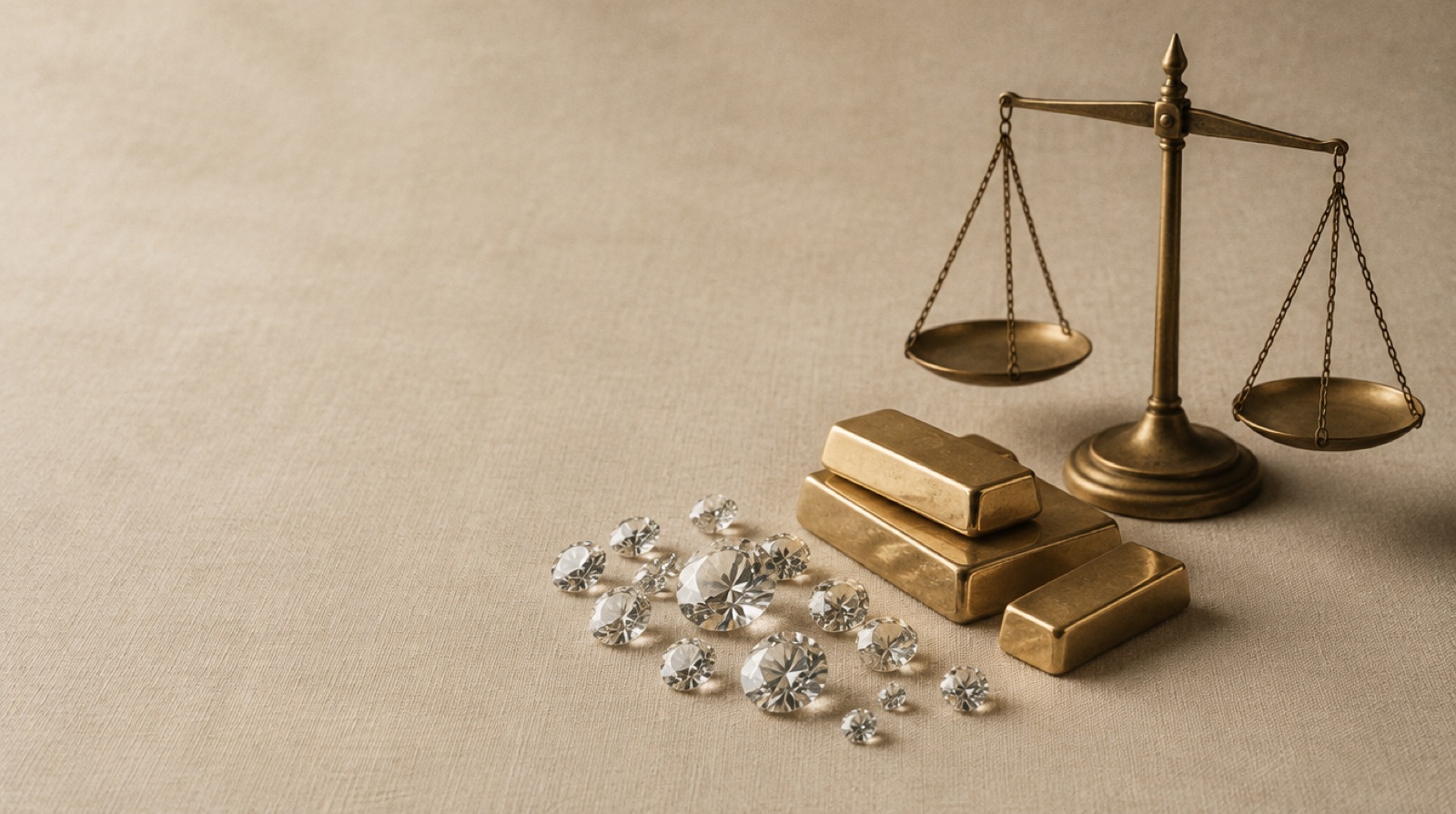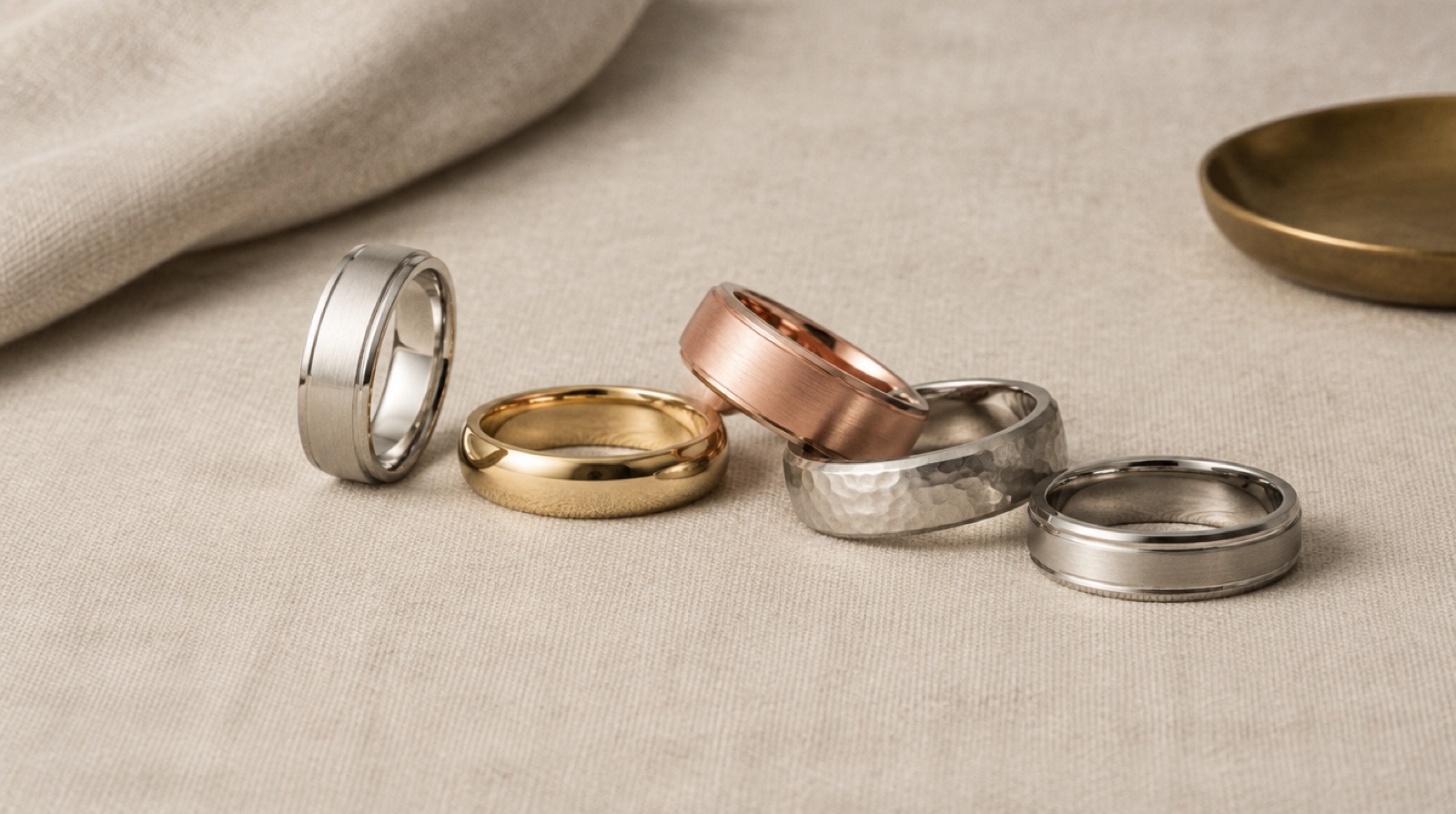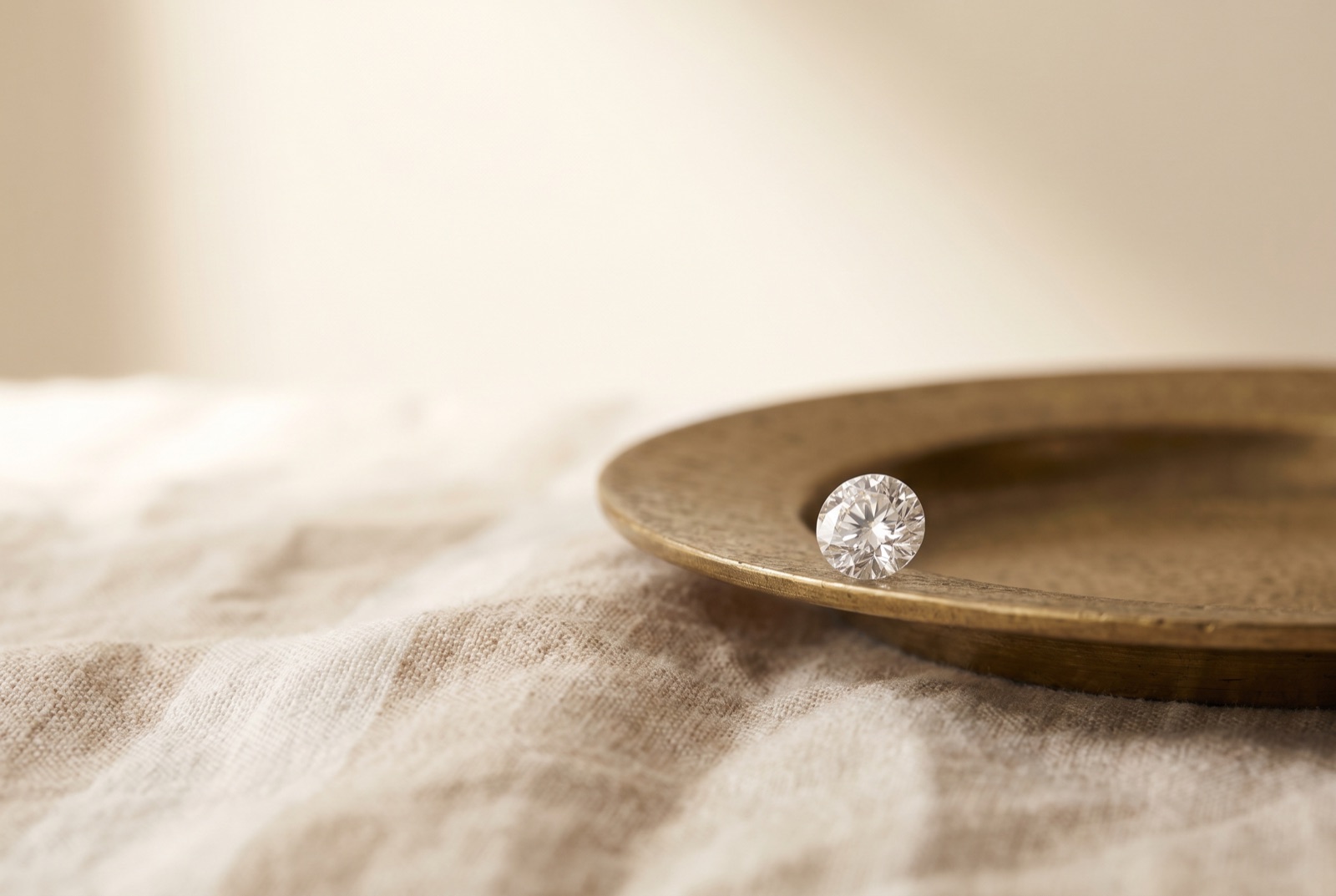
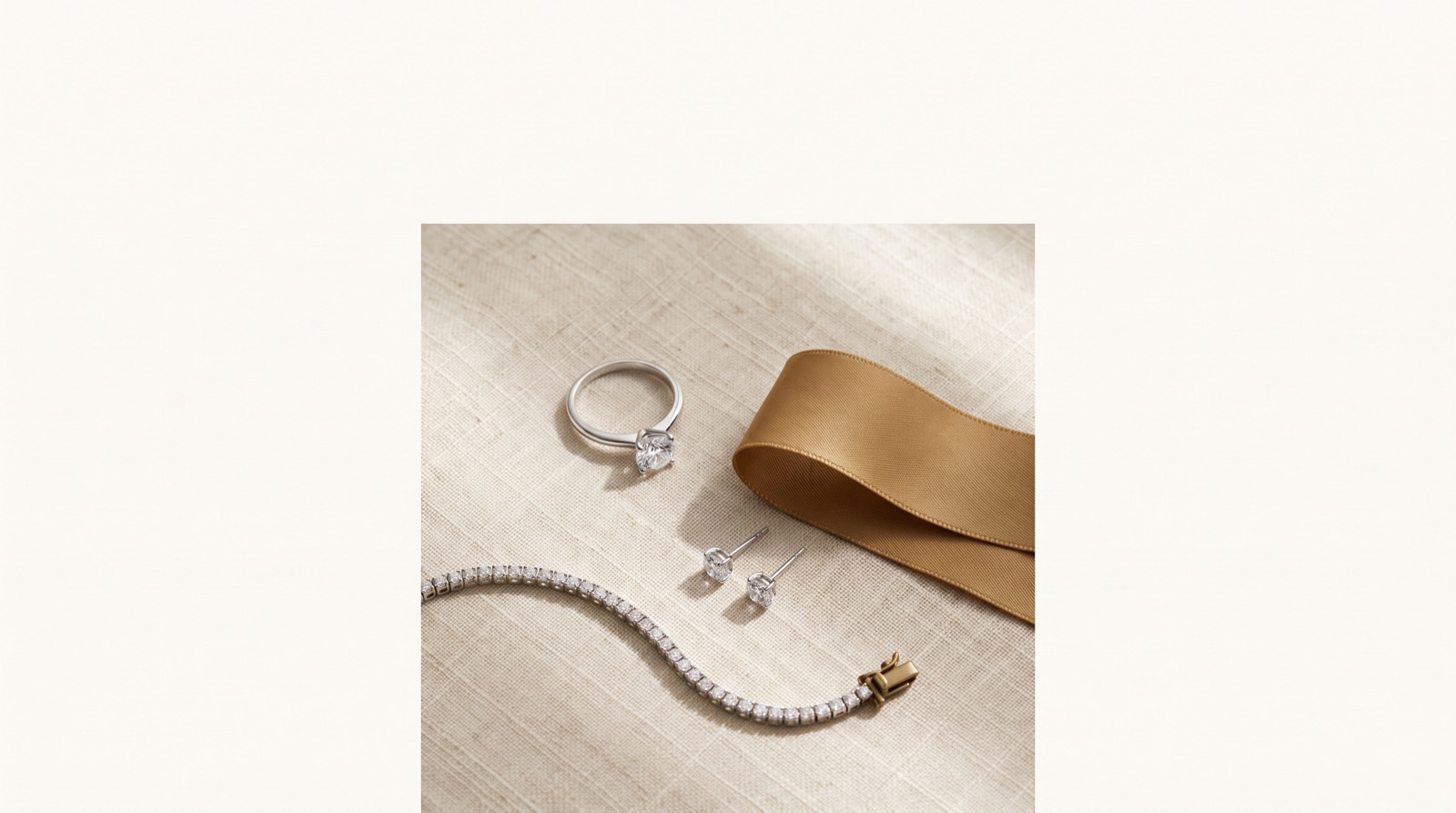
The April birthstone is diamond — the only month whose official stone is also the hardest natural material on Earth and the best-known gemstone in retail jewelry. For independent jewelers and designers, that overlap means April is a built-in, pre-sold reason for a shopper to walk in asking specifically for diamonds, not just "something nice." This guide covers the search intent behind "April birthstone" and translates it into a stocking, merchandising, and sourcing plan for the trade.
What Is the April Birthstone, and Why Is It Diamond?
A birthstone is a gemstone traditionally assigned to a calendar month, worn (or gifted) by people born in that month as a personal, symbolic stone. The modern birthstone list most retailers and consumers reference in the United States was standardized by the National Association of Jewelers (now Jewelers of America) in 1912, and diamond has held the April slot on every major list since. Diamond also appears on the Zodiac stone chart tied to Aries, which runs from late March into April, reinforcing the association from a second angle.
Diamond's claim to April isn't arbitrary marketing — it predates most of the birthstone system's other assignments in public familiarity, because diamond was already the default "important occasion" stone in Western jewelry culture before the 1912 list existed. That's part of why "April birthstone" carries real, sustained search volume: consumers aren't discovering a stone, they're confirming one they already half-expect.
How Diamond Became April's Stone
Birthstone traditions trace back centuries, with roots often linked (loosely and apocryphally) to the twelve stones in the biblical Hoshen, the breastplate described in the Book of Exodus. Those older, regional lists varied widely by country and era — a shopper's "April stone" in 17th-century Poland was not necessarily the same stone assigned in 19th-century England. The 1912 standardization in the US was a retail-trade decision as much as a cultural one: jewelers wanted one consistent list they could sell against nationally instead of a patchwork of regional traditions.
Diamond's permanence as April's stone since 1912 — unlike several other months, which have had their assigned stone revised or given an alternate option over the following century — is itself a useful trade fact. It means April birthstone jewelry never needs a caveat ("diamond, or alternatively...") the way a June or December piece sometimes does. That simplicity is good for merchandising: one stone, one message, no explaining required.
Why Birthstone Season Matters for a Jeweler's Calendar
Birthstone jewelry is a steady, recurring demand category layered on top of the bigger gifting occasions (engagements, anniversaries, holidays) rather than competing with them. For a jeweler, April birthstone demand is really three overlapping buying motivations converging on the same month:
- Birthday gifting for anyone born in April — the most literal and highest-intent version of the search, often a partner, parent, or friend shopping specifically for an April-born recipient.
- Self-purchase — April-born shoppers buying their own birthstone piece, a well-documented pattern in birthstone jewelry generally and one that skews toward smaller, wearable-everyday pieces rather than statement jewelry.
- Spring gifting lead-in — April sits ahead of Mother's Day and graduation season, so birthstone browsing in April often blends into (and gets remembered for) those adjacent occasions.
Because diamond is already the category a jeweler's case is built around, April birthstone demand doesn't require new inventory so much as it requires reframing and timing existing inventory. That's the trade angle worth acting on: the stocking lift is modest, but the merchandising and marketing lift — telling the "April birthstone" story clearly, at the right moment — is where the volume actually converts.
Who Buys Diamond Birthstone Jewelry, and When
Birthstone search and purchase behavior clusters a few weeks ahead of the actual birth month, which means real buying intent for "April birthstone" starts building in mid-to-late March and runs through April. A second, smaller wave shows up around Mother's Day (second Sunday of May) when shoppers extend the birthstone idea to a mother's or grandmother's birth month rather than the current month.
Typical buyer profiles a jeweler will see across this window:
- Partners and spouses buying a personal, non-engagement piece — studs, a pendant, a stacking ring, often in the $300–$1,500 retail range.
- Parents and grandparents marking a milestone birthday (16th, 18th, 21st, 30th) with a diamond piece positioned as "your stone."
- Self-purchasers, frequently buying smaller, everyday-wearable pieces rather than event jewelry — this is where repeat, low-ticket birthstone sales add up over a season.
- Family-generational gifts — a birthstone piece bought for a new baby born in April, sized or designed to be grown into, or set aside for later.
None of these buyers are shopping for "a diamond" in the abstract — they're shopping for a diamond that is also clearly, legibly their birthstone. That distinction should drive how pieces are tagged, displayed, and described, which is covered in the merchandising sections below.
Diamond Shapes and Cuts Worth Stocking for Birthstone Pieces
Birthstone buying is personal-gift buying, not event buying, so the shape mix that performs well skews toward wearable, everyday-appropriate cuts rather than large statement stones. The table below maps common diamond shapes to how well they fit birthstone-specific demand, based on the buyer profiles above.
| Shape / Cut Tier | Fit for Birthstone Pieces | Best Jewelry Type | Why It Works |
|---|---|---|---|
| Round Brilliant (commodity) | Highest | Studs, pendants, tennis bracelets, stacking rings | Most recognizable "diamond" shape to a non-expert gift buyer; easiest to merchandise without explanation |
| Oval (regular fancy) | High | Pendants, east-west rings, three-stone pieces | Elongating, flattering, increasingly a self-purchase favorite for everyday wear |
| Cushion (regular fancy) | High | Halo pendants, stud earrings | Soft, classic silhouette that photographs well for social/digital merchandising |
| Pear (regular fancy) | Medium-High | Pendants, drop earrings | Reads as a deliberate, personal gift choice rather than a generic pick |
| Marquise (regular fancy) | Medium | Eternity/wedding bands, pendants | Strong for stacking pieces bought as a personal (non-engagement) birthstone purchase |
| Old European / Old Mine (antique) | Medium, higher ticket | Signet-style rings, solitaire pendants | Appeals to the self-purchase segment looking for a distinctive, non-mass-market birthstone piece |
| Emerald / Asscher (regular fancy, step-cut) | Medium | Pendants, cocktail rings | Works well for milestone-birthday gifting where a more architectural stone fits the occasion |
Round brilliant and the mainstream fancy shapes (oval, cushion, pear) should carry the bulk of a birthstone-focused case — they're the shapes a gift buyer recognizes instantly as "a diamond" without needing education. Antique and step cuts are worth having on hand for the self-purchase and milestone-gift segments, who tend to browse longer and want something less generic, but they shouldn't be the lead merchandising story for an April push.
Jewelry Types and Settings That Move During Birthstone Season
Birthstone demand is disproportionately a small-jewelry and personal-jewelry category — rings, yes, but studs, pendants, and bracelets carry more of the volume than engagement-style center-stone rings. A few settings and formats are worth having well-stocked ahead of the April window:
- Diamond stud earrings — the single most common birthstone gift format because they fit any age, any style, and nearly any budget tier. Matched pairs matter here: a visibly mismatched set undercuts the "this is special" framing a birthstone gift is supposed to carry.
- Solitaire and bezel pendants — easy to personalize (chain length, metal tone) and easy to gift-wrap as a single clear idea: "your stone, on its own."
- Stacking and eternity rings — strong for the self-purchase and milestone-birthday segments, who are often building a personal collection rather than buying one signature piece.
- Tennis bracelets — a higher-ticket birthstone option that performs well for milestone and generational gifting (a parent to an adult child, for example).
- Custom and made-to-order rings — worth offering for buyers who want a birthstone piece that doesn't look off-the-shelf; this only works commercially if turnaround is fast enough to still land inside the birth-month window, which is a sourcing consideration covered further down.
What to avoid over-indexing on: large single center-stone engagement-style rings. They're not wrong to carry, but they answer a different buying question than "April birthstone" shoppers are asking, and leading birthstone merchandising with them tends to make the display read as generic diamond-ring marketing rather than a birthstone story.
Merchandising Diamond as the April Birthstone, In-Store and Online
The core merchandising task is narrow: make it immediately obvious, without the shopper having to ask, that a piece is being offered as an April birthstone option. Diamond is already the default stone in most cases, so the gap is almost always labeling and timing, not inventory.
Practical steps that consistently work for birthstone merchandising:
- Tag or group a dedicated "April Birthstone" case, shelf, or online collection rather than relying on a shopper to recognize diamond as the April stone on their own.
- Pair each piece with its birth-month framing directly on the tag or product copy ("Diamond — April's Birthstone") rather than only in a separate birthstone chart.
- Bundle by price tier, not just by piece — a gift buyer under time pressure converts faster with a clear "under $500 / under $1,000 / statement" breakdown than with an undifferentiated case.
- Build a short birth-month gift guide (digital or printed) that cross-sells adjacent months too — a shopper buying for an April-born partner may also be shopping ahead for a May or June birthday.
- For e-commerce, create or refresh a dedicated birthstone landing page before the demand window opens, not after — birthstone search behavior starts rising in the weeks before the month itself.
Because April birthstone buying overlaps with the run-up to Mother's Day, a well-timed merchandising calendar helps avoid either missing the early-April birthday wave or under-preparing for the Mother's Day crossover.
A Seasonal Merchandising Calendar for April Birthstone Diamonds
| Timing | Buyer Behavior | Merchandising Action |
|---|---|---|
| Mid-to-late March | Early birthday shoppers begin researching and browsing | Launch/refresh birthstone collection page and in-store signage; confirm stock on top shapes and settings |
| Early April | Peak birthday gift purchasing | Lead windows and featured cases with diamond framed explicitly as April's stone; push matched-pair studs and pendants |
| Mid April | Self-purchase and "treat myself" buying picks up | Highlight stacking rings and everyday-wear pieces; promote smaller, accessible price points |
| Late April | Crossover begins into Mother's Day shopping | Introduce dual-framing messaging ("her birthstone, or yours") and start featuring higher-ticket pieces like bracelets |
| Early May | Mother's Day peak | Shift primary framing to Mother's Day while keeping birthstone language as a secondary hook for April-born mothers |
Marketing Angles and Messaging for Birthstone Diamond Pieces
Birthstone marketing converts best when it's specific rather than generic "diamonds are forever" messaging — the whole appeal of a birthstone gift is personalization. A few angles worth building campaigns or social content around:
- "Your stone" framing — messaging aimed at the April-born recipient directly ("April's stone is diamond — yours is already the rarest one") performs better than generic seasonal diamond promotion.
- Gift-for-her / gift-for-him segmentation — birthstone gifting spans genders and relationships; avoid defaulting all creative to one buyer persona.
- Milestone tie-ins — 16th, 18th, 21st, 30th, 40th birthdays pair naturally with a birthstone gift story and justify a higher price point than an ordinary birthday purchase.
- Zodiac cross-reference — diamond's secondary association with Aries gives an extra content and SEO angle for social and blog content without changing the product story.
- Pairing with an engraving or personalization offer — a birthstone piece with the recipient's initials or birth month engraved reinforces the "this was chosen for you specifically" message that drives birthstone purchases in the first place.
Avoid leaning on vague heritage or "trusted for generations" language in birthstone marketing specifically — the appeal here is personal relevance to the recipient's birth month, not the retailer's history, so that kind of copy does little work in this category.
Certification Considerations: IGI, GIA, and GCAL for Birthstone Stock
Certification matters less for birthstone-category studs and pendants than it does for an engagement center stone, but it still matters — a birthstone gift is still a diamond purchase, and gift buyers increasingly ask for paperwork even on smaller pieces, especially above a few hundred dollars retail. Carrying stones with IGI, GIA, and GCAL certification options available gives a jeweler flexibility to match the certificate buyers expect at a given price tier, rather than being locked into one lab across the whole birthstone assortment.
A few practical notes for a birthstone-focused buy:
- Loose stones at 0.30ct and above are individually certifiable; smaller accent and pavé stones used in birthstone studs or eternity bands are typically sold and quality-controlled as parcel goods rather than individually certified — set buyer expectations accordingly on lower-ticket pieces.
- Matched-pair certification matters specifically for stud earrings, which make up a large share of birthstone gift volume — buyers notice and ask about color/clarity matching between the two stones more than they do on a single-stone piece.
- For a jeweler assembling a seasonal birthstone case from multiple sources, having certificate options that match across suppliers reduces the back-and-forth of explaining different grading standards to a gift buyer at the counter.
Guru Diam's catalog of certified loose diamonds and matched pairs is built around exactly this kind of flexibility — stocking a birthstone assortment doesn't have to mean compromising on certification consistency across price tiers.
Lab-Grown CVD vs. Natural Diamonds for a Birthstone Program
Birthstone gifting is one of the categories where lab-grown diamond has made real inroads, largely because the category skews toward value-conscious, personal (non-engagement) purchases where price sensitivity is higher and the emotional stakes of "natural vs. lab-grown" are lower than they are for a bridal center stone. A jeweler building out an April birthstone assortment benefits from carrying both:
- CVD lab-grown diamonds let a jeweler offer a larger, more eye-catching stone at a birthday-gift price point — useful for the self-purchase and younger-buyer segments who want size and sparkle on a defined budget.
- Natural diamonds remain the preferred choice for buyers who specifically want a birthstone piece framed as a lasting, generational item (a baby-gift piece set aside for later, for example), where the natural-origin story carries weight even if it isn't explicitly asked about.
Whichever a jeweler leads with, the two catalogs shouldn't be blended in marketing or paperwork — a lab-grown piece should be clearly identified as lab-grown and a natural piece as natural, both for compliance reasons and because birthstone gift buyers, more than most diamond buyers, tend to ask directly.
Sourcing Birthstone-Ready Inventory From a Trade Partner
Because April birthstone demand is time-boxed — it builds through March and peaks in April, with a secondary wave into Mother's Day — the sourcing question for a jeweler is less about finding diamonds (diamond is already core inventory for most of the trade) and more about turnaround, matching, and certification flexibility inside a narrow window.
A few things worth checking with any wholesale partner ahead of a birthstone season buy:
- Same-day shipping on in-stock inventory so a late-booking birthstone order (common in a gift-driven category where buyers often shop close to the birth date) can still land in time. Guru Diam ships same-day on in-stock inventory from New York before 6pm EST and from Los Angeles before 4pm PST.
- Fast turnaround on custom pieces for buyers who want a birthstone ring that isn't off-the-shelf — Guru Diam finishes custom engagement rings in 4–6 days, which is useful context for any birthstone-adjacent custom build with a hard date behind it, though loose-stone sourcing timelines run separately from finished-jewelry turnaround.
- Certification flexibility across IGI, GIA, and GCAL so the paperwork matches what a given price tier of buyer expects, rather than a single lab across the whole assortment.
- Breadth across shapes and categories — one supplier covering standard shapes, antique cuts, matched pairs, and fancy color loose diamonds in the same relationship means a birthstone assortment can be built (and restocked mid-season) without juggling multiple vendors on a tight calendar.
Guru Diam's diamonds are cut and polished in India before final grading and shipment from the New York and Los Angeles locations — worth knowing in a sourcing context like this one, where lead time and certificate-in-hand speed are the actual constraints a jeweler is solving for. For jewelers looking to consolidate a seasonal birthstone buy into one relationship rather than several, the wholesale hub and trade partner program are the starting points, and custom jewelry covers made-to-order birthstone rings specifically.
Frequently Asked Questions
What is the birthstone for April?
Diamond is the official birthstone for April under the modern list standardized in the United States in 1912 and used by jewelers ever since. Diamond also pairs with the Zodiac sign Aries, which spans late March into April, giving it a second, overlapping association with the month.
Why is diamond the April birthstone instead of another gem?
Diamond was already the dominant "important occasion" gemstone in Western jewelry culture before the modern birthstone list was formalized in 1912, so assigning it to April reflected existing consumer familiarity rather than introducing a new stone. Unlike several other months, April's birthstone assignment has never been revised or given an alternate option on later lists.
Do April-born people have to wear a diamond, or is it just a tradition?
It's a tradition, not a rule — birthstones are a cultural and retail convention, not a requirement. Many people born in April choose a diamond piece specifically because it's their assigned stone, which is exactly the buying motivation that makes April a predictable seasonal demand window for jewelers.
What diamond shapes work best for birthstone jewelry?
Round brilliant, oval, cushion, and pear are the strongest performers for birthstone gifting because they're easy for a non-expert gift buyer to recognize and don't require much product education. Antique cuts and step cuts like old mine, old European, emerald, and Asscher appeal more to self-purchasers and milestone-birthday buyers looking for something less generic.
Is lab-grown diamond acceptable for an April birthstone gift?
Yes — lab-grown diamond is chemically and optically identical to natural diamond and is widely accepted as birthstone jewelry, and it has become a popular choice specifically for birthstone-category gifts because it allows a larger stone at a lower price point. Jewelers should still clearly disclose whether a piece is lab-grown or natural, since birthstone gift buyers frequently ask.
When should a jeweler start stocking and marketing April birthstone pieces?
Birthstone search and purchase behavior begins rising in mid-to-late March, ahead of the birth month itself, so merchandising and marketing should launch at least a few weeks before April starts rather than on April 1st. Stock and messaging can then transition in late April toward the Mother's Day crossover, which draws on the same birthstone concept applied to a buyer's mother or grandmother.