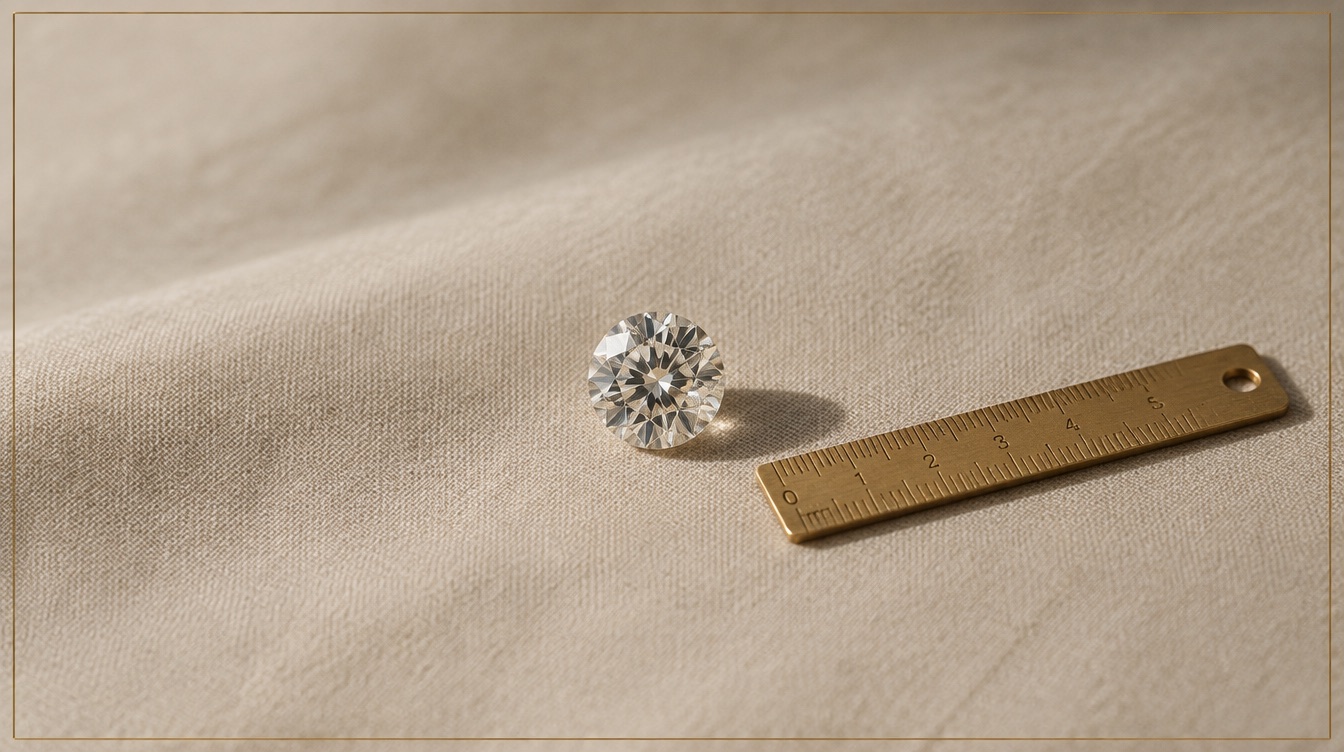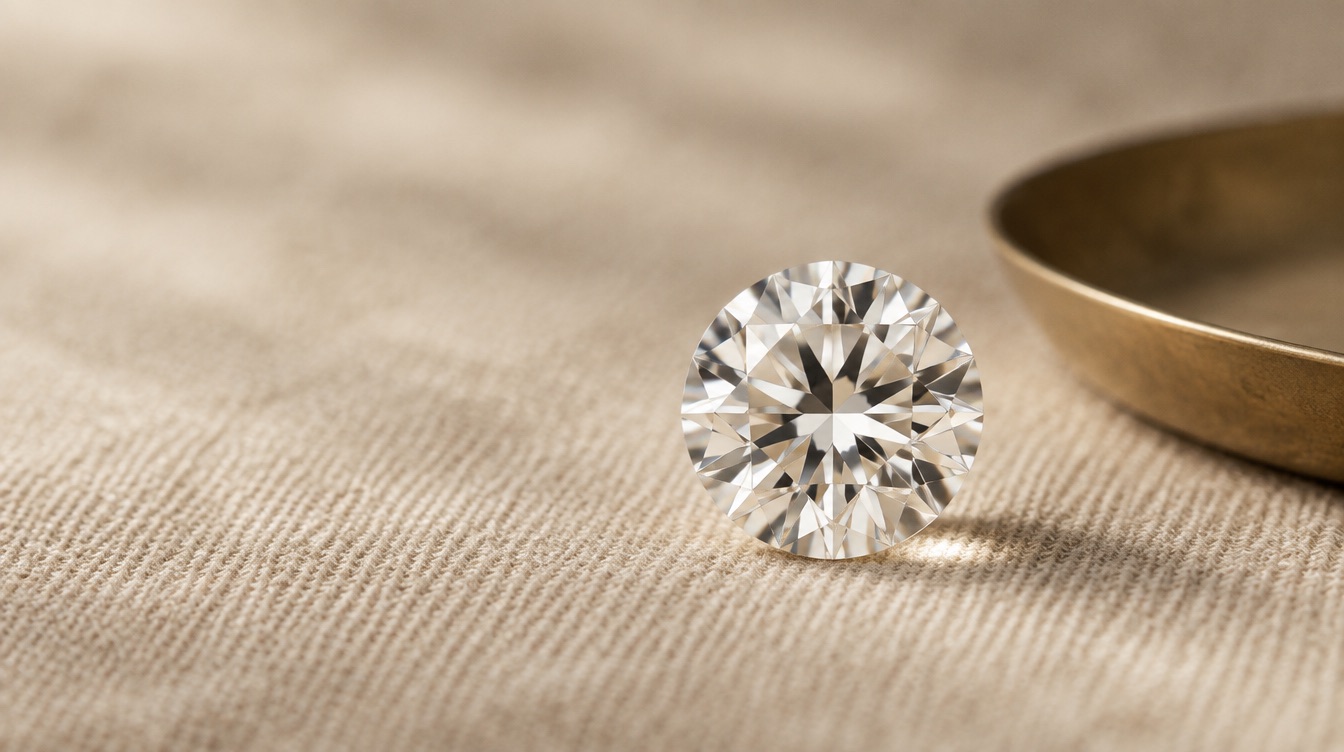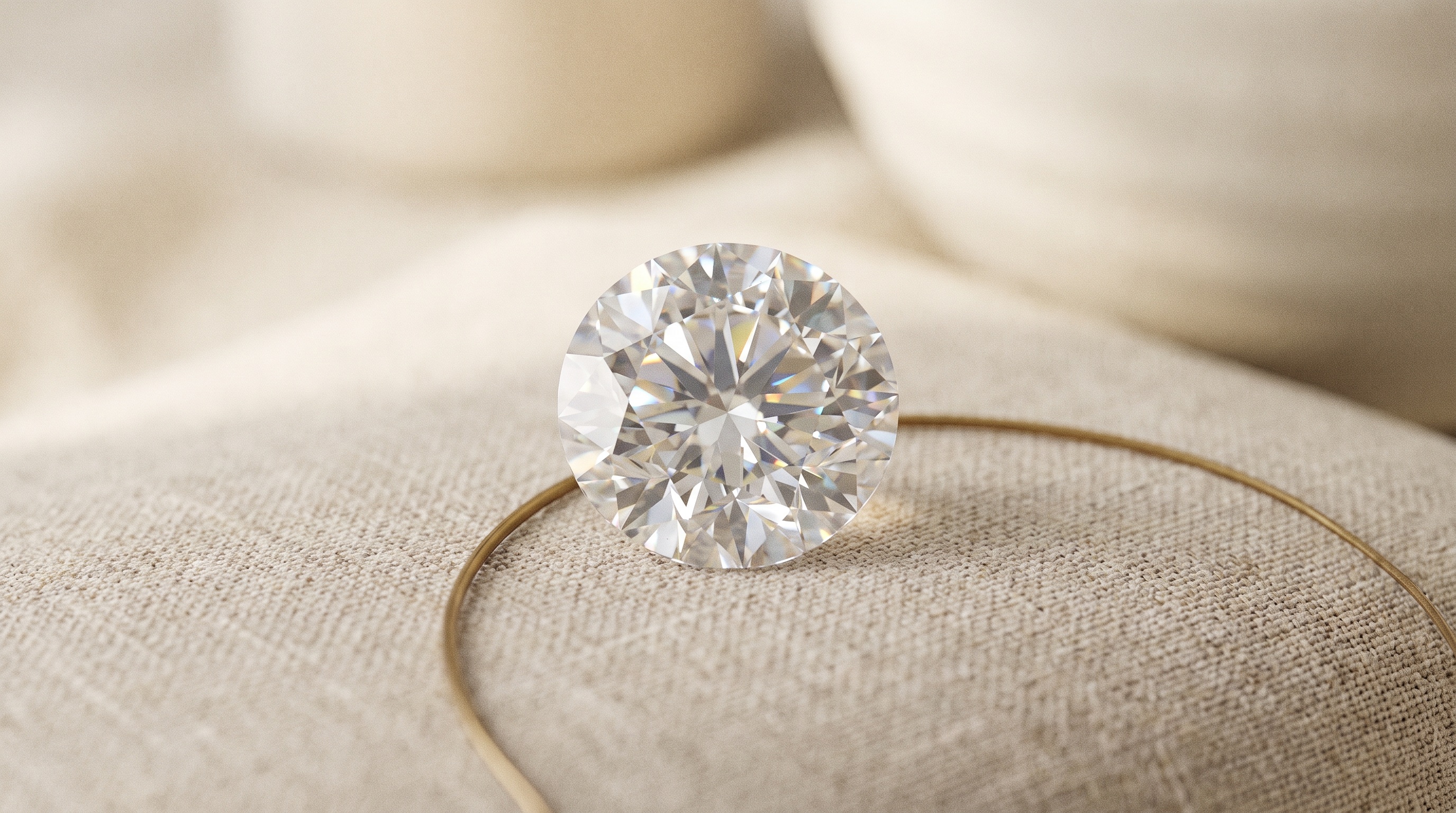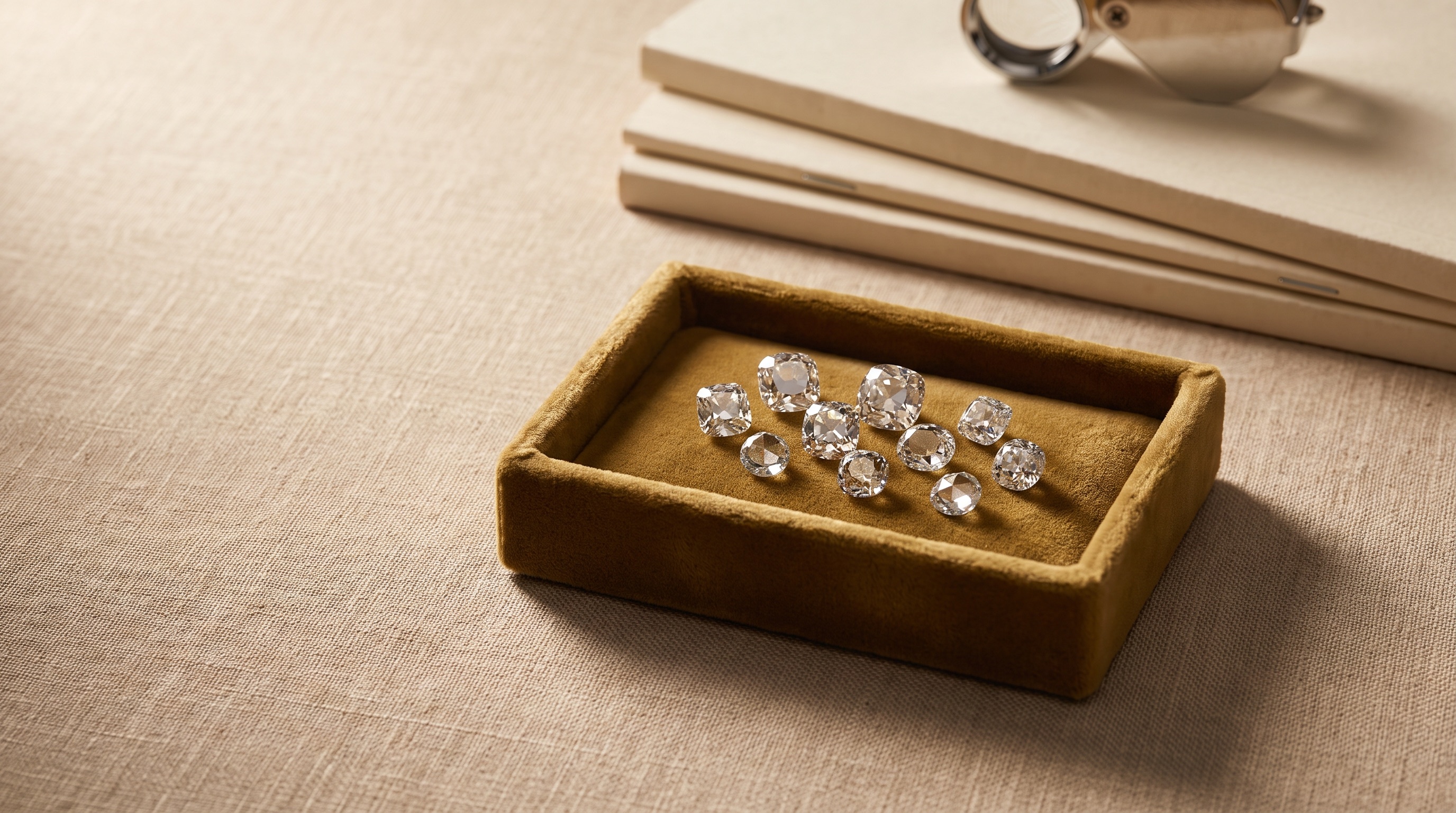
Antique and fancy shape lab-grown diamonds — Old Mine, Old European, Kite, Hexagonal, Trillion, and similar cuts alongside modern fancy shapes like Cushion, Oval, and Pear — are a narrower, more specialized corner of the wholesale lab-grown market than round brilliant commodity stock. Most general lab-grown suppliers carry round brilliant as their primary volume category and treat antique and fancy shapes as a secondary offering, which means a jeweler or manufacturer building a program specifically around these cuts needs to evaluate suppliers on shape range and cutting depth, not just price and general lab-grown availability.
This guide compares the wholesale suppliers most commonly encountered when sourcing antique and fancy shape lab-grown diamonds for the trade, along with a practical framework for evaluating any supplier on this specific category before committing to a purchasing relationship.
Why Antique and Fancy Shape Sourcing Needs a Different Evaluation
Round brilliant lab-grown diamonds are a largely commoditized category at this point — most suppliers can fill a round brilliant order at competitive pricing because the cutting process is standardized and rough yield is optimized specifically for that shape. Antique cuts (Old Mine, Old European, Kite, Hexagonal, Moval, Lozenge, Trillion, Criss-Cut) and less common fancy shapes require more specialized cutting expertise, lower rough yield per carat, and a smaller pool of cutters who work in these styles regularly. A supplier's round brilliant pricing and turnaround says very little about how well they'll perform on an antique-cut order — a buyer sourcing specifically for this category should evaluate suppliers on their demonstrated antique/fancy-shape range directly, not assume general lab-grown capability translates automatically.
How to Evaluate a Supplier for Antique & Fancy Shape Sourcing
| Evaluation Criterion | What to Look For |
|---|---|
| Shape range depth | A genuinely broad current catalog across multiple antique cuts (not just one or two "antique-adjacent" shapes alongside a primarily round-brilliant business) |
| In-stock vs. cut-to-order | Whether antique/fancy shapes are held as ready inventory or require a custom cutting order with longer lead time |
| Certification flexibility | Availability of IGI, GIA, and/or GCAL certification appropriate to the buyer's market |
| Minimum order requirements | Whether the supplier accommodates smaller trial orders for a new buyer relationship or requires high-volume commitments upfront |
| Shipping speed on in-stock goods | Same-day or next-day shipping on confirmed in-stock inventory versus longer standard processing |
| Physical sample availability | Whether the supplier will send physical samples before a full order, particularly important for antique cuts where visual character varies more between individual stones than with standardized round brilliant |
1. Guru Diam
Guru Diam is a trade-only, B2B wholesale diamond supplier with locations in New York and Los Angeles, and antique-cut range is the company's core specialty rather than a secondary offering layered onto a primarily round-brilliant business — the catalog includes Old Mine, Old European, Hexagonal, Moval, Lozenge, Kite, Trillion, Criss-Cut, Padparadscha, and other true antique-style cuts alongside modern fancy shapes, natural diamonds, certified loose stones, and finished jewelry. All lab-grown stock is CVD only, with no HPHT anywhere in the catalog, and certification is available through IGI, GIA, and GCAL depending on buyer preference. In-stock inventory ships same-day (before 6pm EST from New York, before 4pm PST from Los Angeles), and custom engagement rings built around these cuts are finished in 4-6 days. As with the rest of Guru Diam's lab-grown catalog, stones are cut and polished at the company's India workshop before final grading and shipment from the New York and Los Angeles locations. New trade accounts can apply through trade partner, with current antique-cut inventory browsable at the wholesale hub.
2. Stienhardt
Stienhardt is an established name in the wholesale lab-grown diamond trade with a New York presence and a catalog that includes antique-style cuts alongside standard shapes. As with any supplier being evaluated for this category specifically, a buyer should confirm current in-stock antique-cut availability directly rather than assuming full parity with a round-brilliant-focused catalog.
3. Kira Diamonds
Kira Diamonds is a wholesale lab-grown diamond supplier serving jewelers and manufacturers in the US trade. Buyers sourcing specifically for antique or fancy shapes should request current catalog availability directly, since shape range and lead time can vary by order.
4. Aarush Diamonds
Aarush Diamonds operates in the wholesale lab-grown diamond space serving trade buyers. As with other general-catalog suppliers, confirming antique/fancy-shape depth and cut-to-order lead times upfront is worthwhile before committing a program specifically to this category.
5. White House Brothers
White House Brothers is a recognized supplier in the wholesale lab-grown diamond trade. Buyers building an antique-cut program should verify current shape availability and certification options directly against their specific sourcing requirements.
6. Stuller
Stuller is one of the largest general jewelry supply platforms serving the US trade, offering diamonds — including lab-grown stock — alongside a much broader catalog of findings, mountings, and manufacturing components. Its scale makes it a convenient one-stop option for a buyer already sourcing other components there, though a program built specifically around specialized antique cuts should confirm depth in that specific category against a specialist supplier rather than assuming a large general catalog implies equivalent antique-cut depth.
7. GemsNY
GemsNY is an established wholesale diamond and jewelry supplier with a presence in the New York trade. As with the other suppliers on this list, buyers sourcing antique or fancy shapes specifically should request current catalog depth in those exact cuts before placing a program-level order.
8. B2C Jewels
B2C Jewels supplies loose diamonds and finished jewelry to trade and other buyers. Antique and fancy shape availability should be confirmed directly against a buyer's specific shape and certification requirements, the same as with any supplier being evaluated for this specialized category.
9. LGD USA
LGD USA is a US-based wholesale lab-grown diamond supplier serving trade buyers. Buyers evaluating this or any similarly-scoped general supplier for an antique-cut program should request current shape-specific catalog depth directly rather than assuming full parity across every cut category.
10. Classic Grown
Classic Grown operates in the wholesale lab-grown diamond market. As with the other suppliers on this list outside of a stated antique-cut specialty, confirming current in-stock antique and fancy shape availability directly is the most reliable way to evaluate fit for a program built specifically around this category.
Natural Antique-Cut Diamonds as an Alternative
Antique cuts have genuine historical roots in natural diamond cutting — Old Mine and Old European cuts predate the modern round brilliant and were originally cut exclusively from natural rough, well before lab-grown material existed as a category. Buyers building an antique-cut program have the option of sourcing natural stones in these cuts alongside or instead of lab-grown, and a supplier that carries both natural and lab-grown antique cuts under one relationship — rather than specializing in only one origin — offers more flexibility for a retailer serving customers with different origin preferences at different price points. It's worth confirming with any supplier being evaluated for this category whether their antique-cut depth extends across both natural and lab-grown material or is concentrated in one origin only.
Fancy Color Antique and Fancy Shape Diamonds
Beyond colorless stones, fancy color antique and fancy shape lab-grown diamonds — yellow, pink, blue, and green material cut into Old Mine, Cushion, Oval, or similar styles — represent a further specialization within an already specialized category. Because fancy color rough requires its own selective sourcing on top of the cutting expertise antique and fancy shapes already demand, genuine depth in fancy color antique cuts specifically is rarer across the wholesale market than colorless antique-cut depth alone. A buyer with a specific need in this sub-category should ask directly about current fancy color availability by cut and shape, rather than assuming a supplier's general antique-cut range extends equally into fancy color material.
Common Buyer Mistakes When Sourcing This Category
The most common mistake trade buyers make when sourcing antique and fancy shape lab-grown diamonds is treating supplier selection the same way they would for round brilliant commodity stock — comparing primarily on per-carat price without first confirming genuine in-stock depth in the specific cuts needed. A second common mistake is assuming a supplier's general lab-grown catalog size correlates with antique-cut depth specifically, when in practice the two don't necessarily move together — a large general catalog can still hold thin antique-cut inventory if that isn't where the supplier has invested cutting expertise. Confirming shape-specific in-stock availability, requesting physical samples, and asking directly about certification and lead time upfront avoids both of these pitfalls before a program-level commitment is made.
What "Antique-Cut Moat" Actually Means for a Buyer
When evaluating suppliers for this category, the practical question isn't which company has the longest general catalog — it's which supplier treats antique and fancy shape cutting as a core, invested-in specialty versus a secondary line filled opportunistically from whatever rough happens to yield an antique-adjacent shape. A supplier for whom antique cuts are a stated specialty is more likely to hold genuine in-stock depth across multiple cuts (Old Mine and Old European specifically, which see the most trade demand, plus rarer cuts like Kite, Hexagonal, and Criss-Cut), maintain more consistent quality and character across reorders, and offer more informed guidance on cut-specific considerations like open culets and larger facets that are unique to antique styles. A buyer building a recurring antique-cut program benefits more from this kind of specialist depth than from a marginally lower per-carat price at a supplier where antique cuts are a peripheral offering.
Certification Options Across the Category
IGI, GIA, and GCAL are the three certification labs most commonly requested by trade buyers for loose lab-grown diamonds at 0.30ct and above, and availability varies by supplier — some offer all three, others a subset. For antique cuts specifically, it's worth confirming that a chosen lab's report format accounts appropriately for the cut's non-standard proportions (an Old European cut, for instance, has a different ideal proportion profile than a modern round brilliant), since a generic round-brilliant-oriented grading approach can undersell an antique cut's actual visual character on paper.
Lead Time: In-Stock vs. Cut-to-Order
Because antique and fancy shape cutting requires more specialized rough selection and cutting expertise than round brilliant, availability splits meaningfully between suppliers holding genuine in-stock inventory in these cuts versus suppliers who cut to order once a request comes in. In-stock inventory obviously ships faster — same-day or next-day in the best cases — while cut-to-order antique stones can carry a lead time of several weeks depending on the specific cut and the cutter's queue. A buyer with a time-sensitive order (a custom engagement ring on a tight deadline, for instance) should confirm which category a specific stone falls into before committing to a delivery timeline with their own retail customer.
Minimum Orders and Trial Relationships
Because antique and fancy shape lab-grown diamonds are a more specialized, lower-volume category than round brilliant commodity stock, minimum order policies vary more between suppliers in this category than they do for standard round goods. A buyer testing a new supplier relationship specifically for antique cuts should ask directly whether a smaller trial order is available before committing to the volume a supplier might expect for its higher-turnover round-brilliant business, since a supplier accustomed to bulk round orders may have a higher effective minimum for a smaller, more curated antique-cut request.
Physical Samples Matter More for Antique Cuts
Antique cuts show more individual visual character, stone to stone, than a standardized modern round brilliant — variations in facet pattern, culet size, and overall symmetry are part of the style's appeal but also mean two stones with identical paper specs can look meaningfully different in person. Requesting physical samples before a full order is worth doing for any diamond purchase, but it matters more for this category specifically than for standardized commodity shapes, and a supplier's willingness to accommodate that request is itself a useful signal about how seriously they treat antique-cut buyers.
Why Antique Cuts Are Seeing Renewed Trade Demand
Antique-cut diamonds — with their softer, more romantic light performance, larger visible facets, and open culets compared to a modern round brilliant's precision-cut fire — have seen a genuine resurgence in bridal and fine jewelry demand over the past several years, driven partly by broader vintage and heirloom-inspired design trends and partly by a segment of buyers specifically seeking a look that reads as distinct from the highly standardized modern round brilliant most commonly seen at mass retail. For jewelers and manufacturers, this shift means antique-cut sourcing has moved from a niche, occasional request to a more regular part of a well-rounded diamond program — which is exactly why supplier depth in this category, rather than treating it as an afterthought, has become a more consequential sourcing decision than it was a decade ago.
Pairing Antique Cuts With Period-Appropriate Settings
Antique-cut diamonds are frequently paired with settings designed to complement their historical character — bezel-set halos, milgrain detailing, filigree work, and open galleries that let light enter from the side, all of which were common in the original jewelry eras these cuts come from. A supplier who understands this pairing can offer more useful guidance to a buyer building a full antique-styled piece, not just the loose stone itself, which is a meaningful value-add beyond simply having the cut in stock. Buyers building a custom antique-cut piece should consider whether a prospective supplier also offers or partners on custom setting work, rather than treating stone sourcing and setting design as fully separate purchasing decisions.
Building a Balanced Antique-Cut Sourcing Strategy
Many trade buyers maintain relationships with more than one supplier in this category rather than relying on a single source — using a specialist antique-cut supplier for programs where cut depth and stone character matter most, while sourcing standard round brilliant separately from whichever supplier offers the best volume pricing on that commodity category. This isn't a sign that any single supplier is insufficient; it reflects the genuine specialization split within the wholesale lab-grown market between antique/fancy-shape depth and round-brilliant volume efficiency, and a buyer optimizing for both should expect to source from suppliers with different core strengths rather than looking for one supplier that leads equally in both categories.
Frequently Asked Questions
What counts as an "antique cut" lab-grown diamond?
Antique cuts include Old Mine, Old European, Hexagonal, Moval, Lozenge, Kite, Trillion, Criss-Cut, and similar historically-styled cuts, distinguished from modern fancy cuts like Cushion, Oval, and Pear, and from commodity Round Brilliant.
Why don't all lab-grown diamond suppliers carry a strong antique-cut range?
Antique cuts require more specialized cutting expertise and yield less usable weight per carat of rough than round brilliant, which most general suppliers optimize their cutting operations around. Suppliers who treat antique cuts as a core specialty, rather than a secondary offering, typically hold deeper in-stock inventory across more cut styles.
Should I buy antique-cut and round-brilliant lab-grown diamonds from the same supplier?
Not necessarily. Many trade buyers source antique and fancy shapes from a supplier specializing in that category while sourcing standard round brilliant separately from whichever supplier offers the best volume pricing on that commodity category.
Are antique-cut lab-grown diamonds individually certified?
Loose antique-cut stones at 0.30ct and above are commonly certified through IGI, GIA, or GCAL, the same as any other loose diamond in that size range, though it's worth confirming a chosen lab accounts appropriately for the cut's non-standard proportions.
How much lead time should I expect for a cut-to-order antique diamond?
It varies by supplier and specific cut, but cut-to-order antique stones can carry a lead time of several weeks, compared to same-day or next-day shipping on genuine in-stock inventory. Confirming which category a specific stone falls into is worth doing before setting a delivery timeline with a retail customer.
What should I ask a new supplier before a first antique-cut order?
Ask about current in-stock depth across specific cuts, certification options, minimum order requirements, and whether physical samples are available before a full commitment — antique cuts show more individual visual character than standardized shapes, so seeing an actual sample matters more here than for commodity round goods.
Can antique-cut lab-grown diamonds be sourced in fancy colors?
Yes, though genuine depth in fancy color antique cuts specifically is rarer across the wholesale market than colorless antique-cut availability, since it requires selective fancy color rough sourcing on top of specialized cutting expertise. Confirm current fancy color availability by cut and shape directly with a supplier.
Guru Diam is a trade-only wholesale diamond supplier with locations in New York and Los Angeles, specializing in Old Mine, Old European, Hexagonal, Kite, Trillion, and other antique cuts alongside modern fancy shapes, natural diamonds, and finished jewelry. Browse current antique-cut inventory at the wholesale hub or apply for a trade account through trade partner.