
Wholesale Lab-Grown Diamonds in NYC: A Trade Buyer's Sourcing Guide
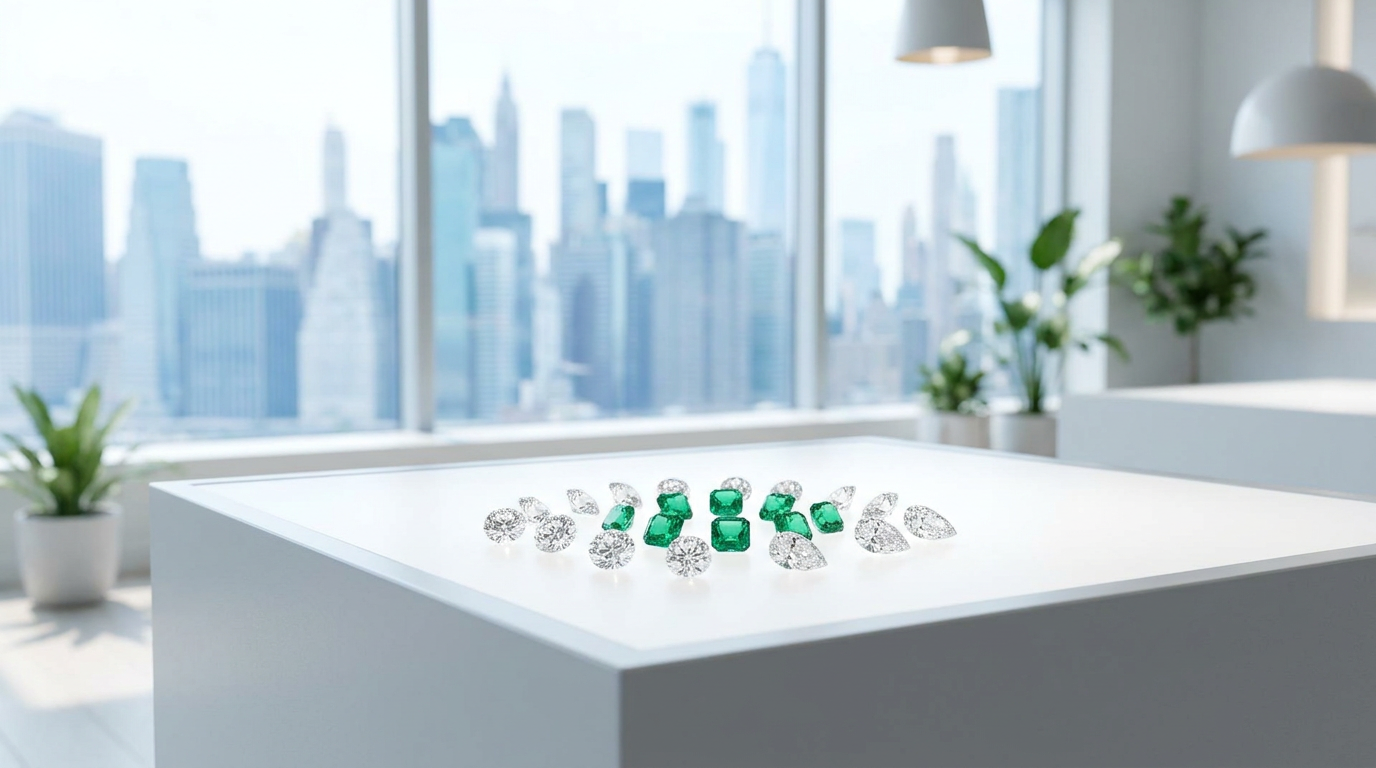
Sourcing Wholesale Lab-Grown Diamonds in New York City
New York's diamond trade is compressed into a few blocks and a handful of high-rise buildings, but the sourcing decisions retailers, designers, and independent jewelers make there ripple out across the entire tri-state market and beyond. If you buy for a storefront, a made-to-order studio, or a growing jewelry brand, the question isn't whether lab-grown diamonds belong in your case — most buyers settled that years ago — it's who you're buying them from, and whether that supplier can actually support a working NYC business week to week.
Search "lab diamonds nyc" and you'll get a mix of consumer-facing retailers, one-off Diamond District storefronts, and a handful of wholesale suppliers that don't clearly explain what a trade account actually gets you. That gap is what this page is for. Guru Diam operates as a wholesale lab-grown diamond supplier with a New York City presence and a Los Angeles office, selling loose stones, calibrated melee, and finished jewelry to jewelers, retailers, and designers — not to individual consumers. Everything below is written for the trade buyer: what "diamond wholesale new york" sourcing should look like, what to check before committing to a supplier, and how catalog breadth, certification practice, and NYC logistics fit into a real buying workflow.
What "Wholesale" Actually Means for an NYC Trade Buyer
The word "wholesale" gets stretched thin in the diamond trade. Some sellers use it to describe any price below retail, even when they're still selling one stone at a time to whoever asks. For a genuine NYC trade buyer — a jeweler filling a case, a designer stocking a custom program, one of the many wholesale jewelers in New York running a storefront — wholesale means something more specific: a standing account, trade pricing tied to volume and category rather than a single transaction, and a supplier that expects repeat orders rather than a one-time sale.
That distinction matters because consumer-facing listings and true B2B sourcing solve different problems. A consumer buying one engagement ring wants the best single stone at the best single price. A trade buyer wants a supplier they can call on a Tuesday for a rush order, reorder from consistently, and trust to hold the same grading standard on stone five hundred as they did on stone five. Wholesale, in the way this page uses it, means access to on-hand inventory across categories, trade pricing, and a supplier relationship built for repeat business — not a single discounted purchase.
For NYC buyers specifically, this also means a supplier who understands the pace of the Diamond District and greater New York retail: fast decisions, fast reorders, and inventory that doesn't require a week-long wait to confirm availability.

What to Look for in a Wholesale Lab-Grown Diamond Supplier
Not every supplier that sells lab-grown diamonds wholesale is built the same way, and the differences show up fast once you're placing real orders. A few things worth checking before committing to a trade account:
Category breadth. Many suppliers specialize in one lane — round melee, or fancy color stones, or finished jewelry — and expect a buyer to piece together the rest from other vendors. That works until a custom order needs a fancy-shape accent stone and a matching pair in the same week, from two different suppliers holding two different grading standards.
Certification flexibility. A supplier should be able to state plainly which tier of stone is certified and which isn't, without blurring the two. If a seller can't clearly separate certified loose stones from uncertified parcel goods, that's usually a sign their own quality-control process isn't rigorous enough to make the distinction in the first place.
Calibration control on melee. Melee is where consistency breaks down fastest. A supplier's calibration tolerances should be published, not vague, and off-spec parcels should get corrected before they ship — not after a jeweler catches the mismatch under a scope.
Consistency across reorders. The stone ordered in March should match the stone reordered in September. That's a quality-control and inventory-discipline problem, not a marketing claim, and it's the single best predictor of whether a supplier relationship will actually hold up at wholesale volume.
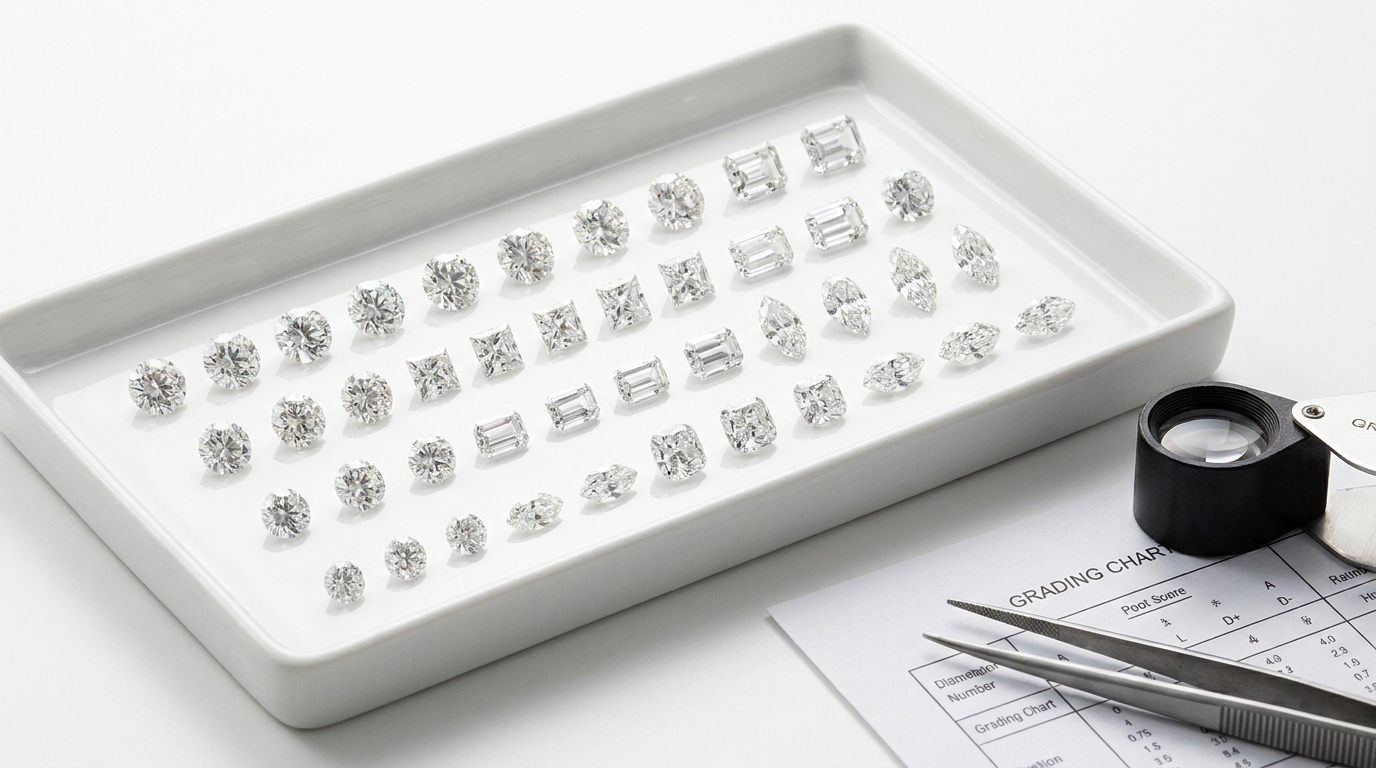
Category Breadth: One Supplier, Every Shape and Color You Need
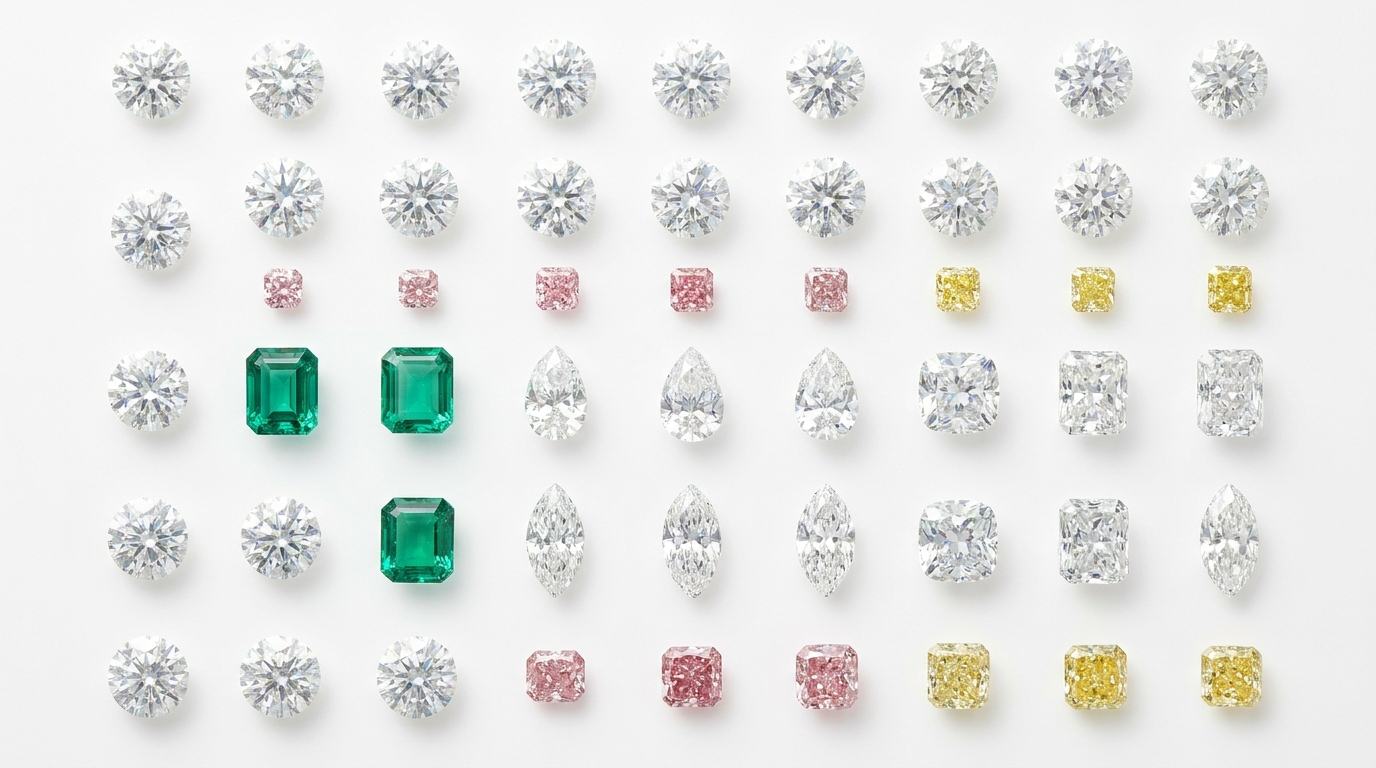
A lot of wholesale sourcing friction in this trade comes from stitching together three or four vendors to cover what should be one order. Guru Diam's catalog is built to cover the categories a working NYC jeweler or designer actually needs under a single account:
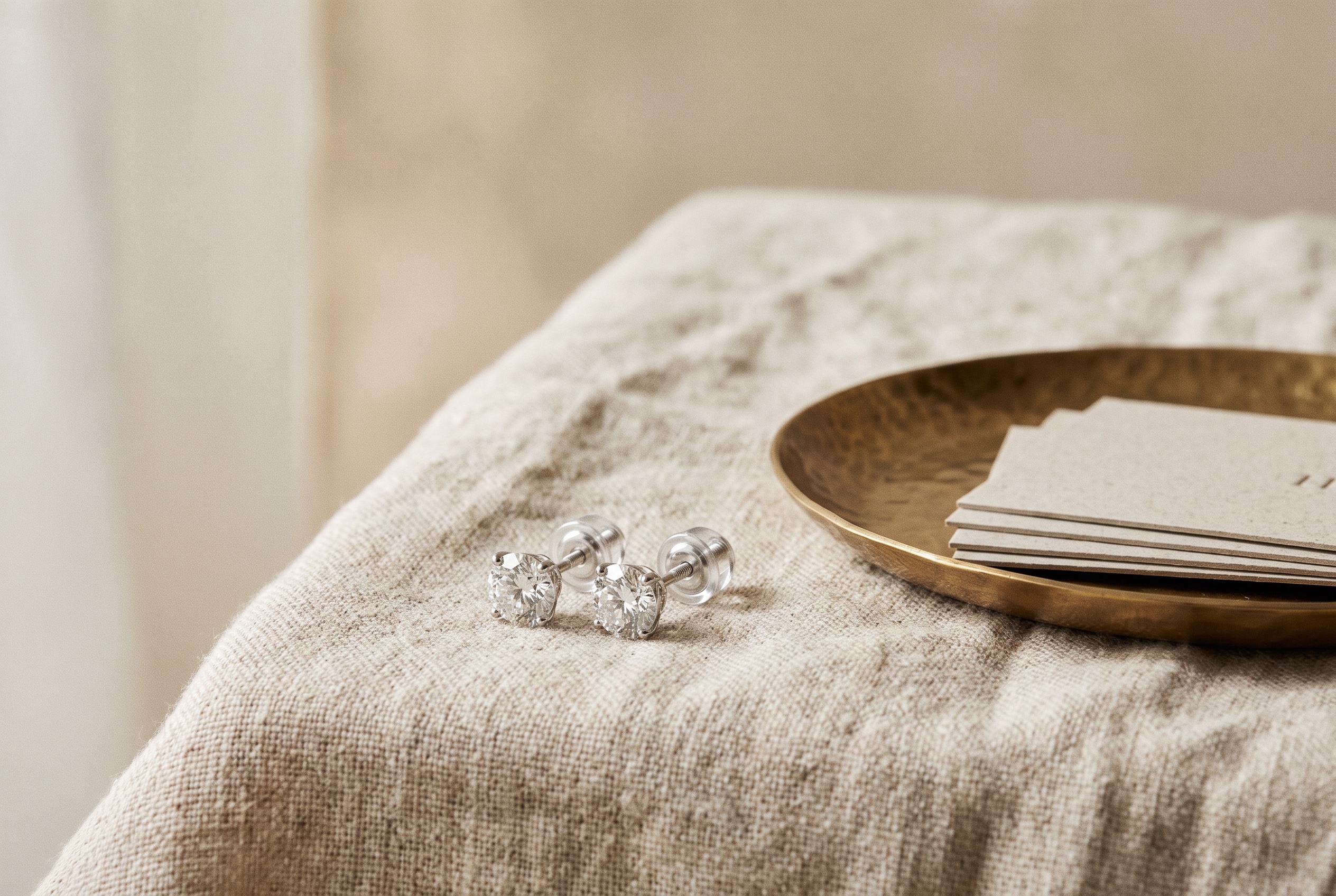
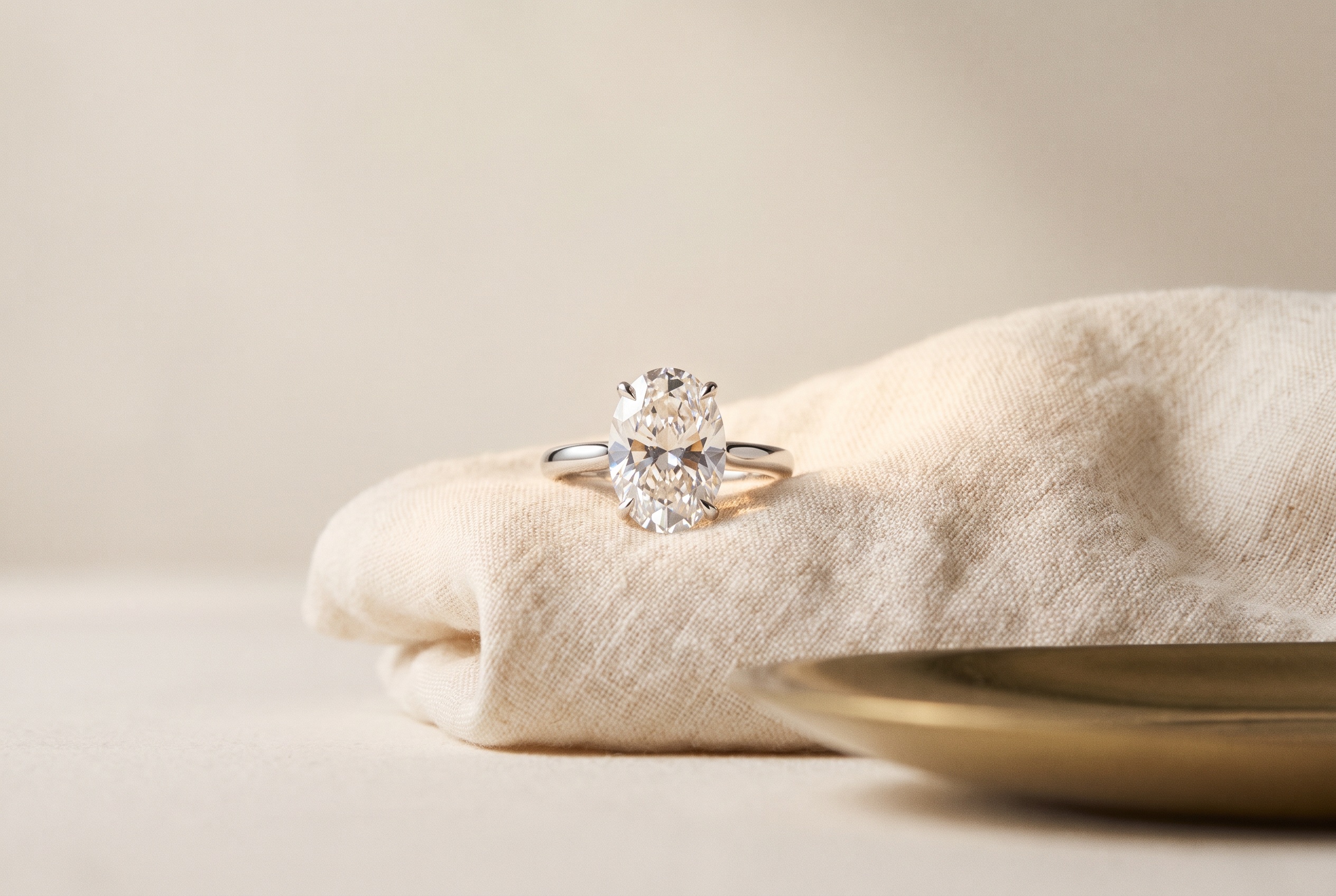
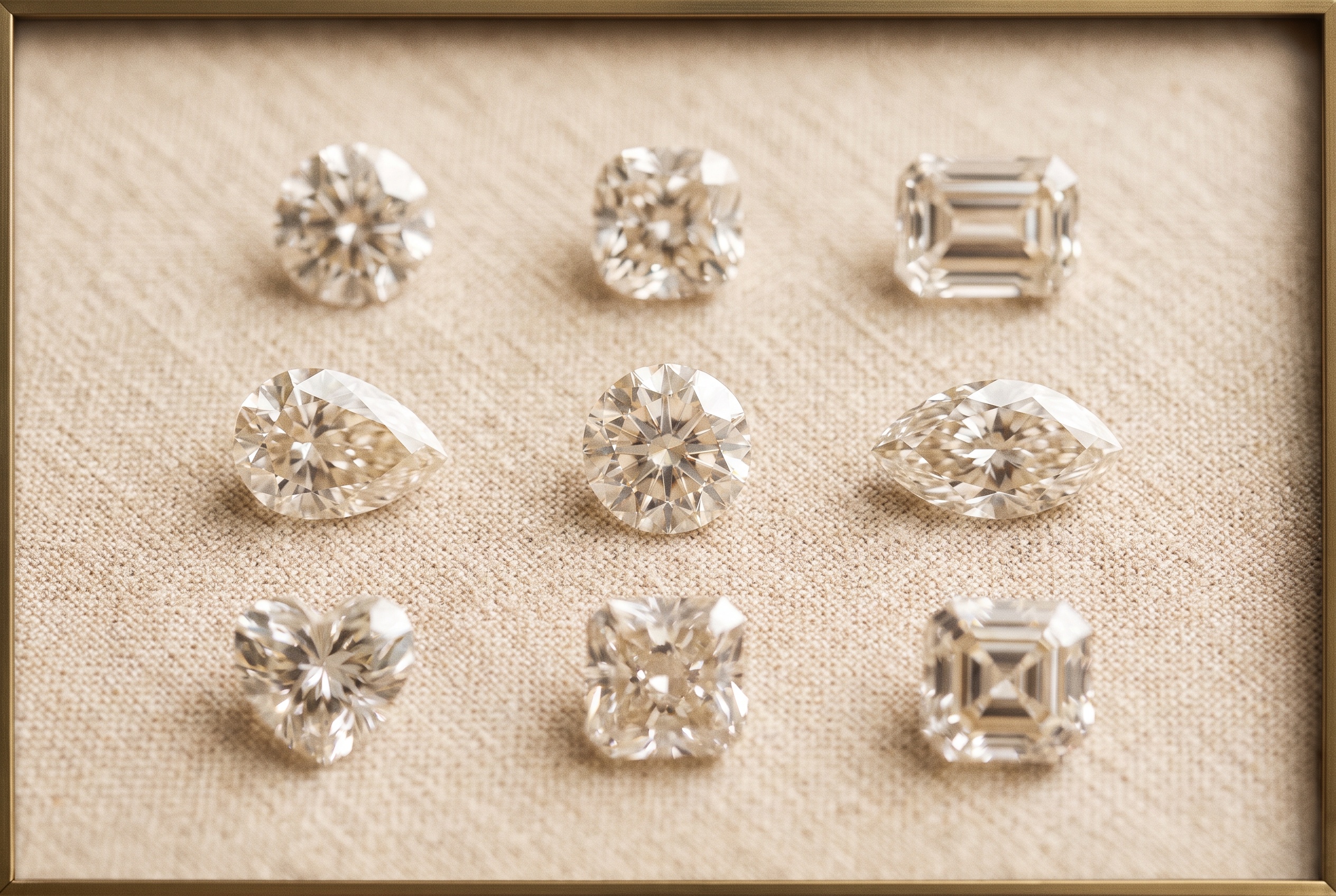
Antique and exotic cuts for buyers building estate-inspired or fashion-forward lines, alongside the standard round-brilliant and step-cut inventory every case needs. Fancy color stones at 0.30ct and above — Yellow, Pink, Blue, Green, and Champagne, the trade name used for brown-color-coded stones — available across multiple shapes and carried as a genuine, in-stock category rather than a special-order afterthought. Fancy color melee in Yellow, Pink, Blue, and Green, available in both round and fancy shapes, for designers who need consistent small accent color without sourcing from a separate colored-stone vendor. Matching pairs for stud and drop-earring programs, graded and calibrated to sit together without a visible mismatch. And custom engagement ring builds, from loose center-stone selection through finished mounting, for retailers who sell the full experience rather than just the stone.
All of it is CVD lab-grown — Guru Diam's catalog runs CVD only, top to bottom, so a buyer never has to ask which growth method a given parcel came from. That single-method consistency is also part of why grading and calibration hold steady from category to category.
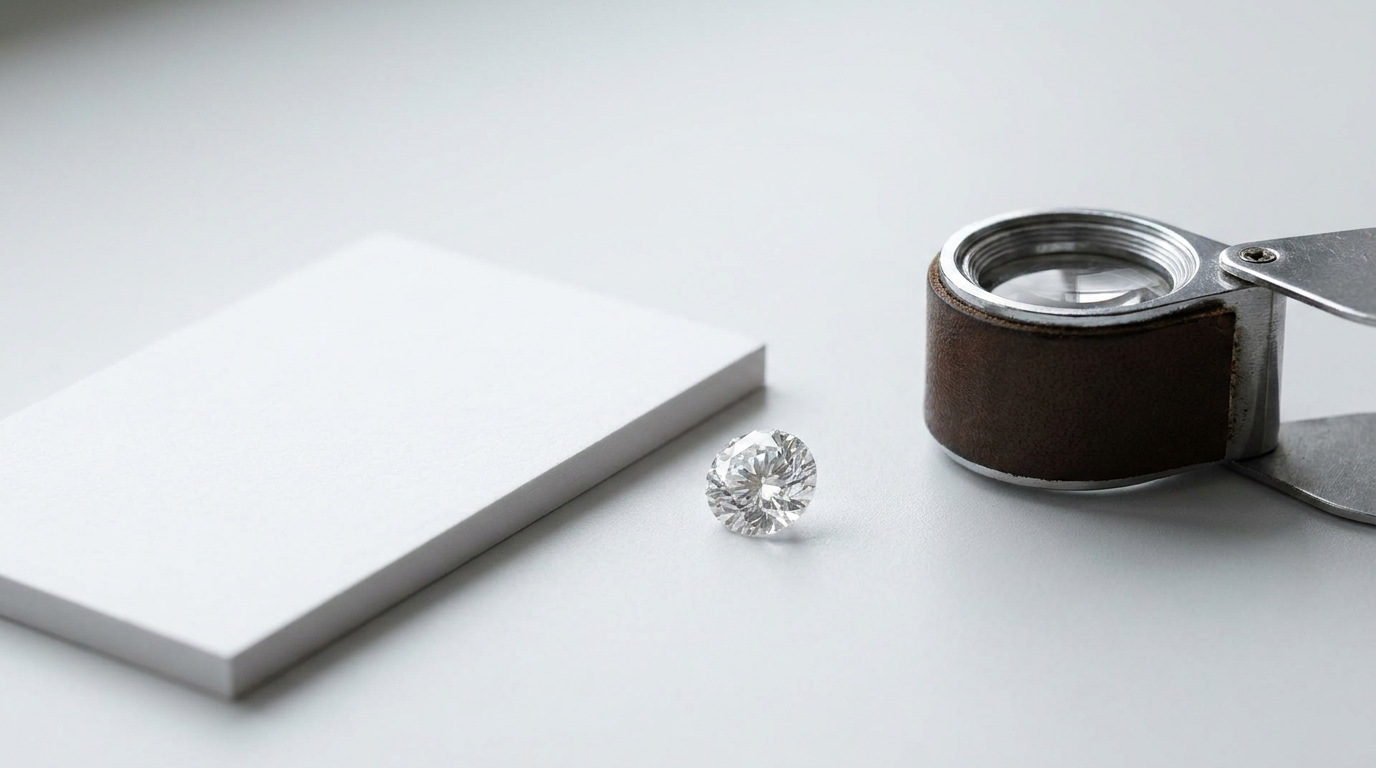
Certification for Trade Buyers: IGI vs. GIA, and What "Parcel Goods" Really Means
Certification is one of the most misunderstood parts of wholesale sourcing, and it's worth being precise about, because the confusion costs buyers money and trust with their own customers.
Loose stones at 0.30ct and above are graded and certified, typically through IGI or GIA — the two labs that matter most in this trade. IGI and GIA certification means a third-party lab has independently verified the stone's 4Cs and issued a report a retailer can hand to a consumer with full confidence. For a jeweler selling a center stone or a fancy color stone above that threshold, certification is the baseline, not an upsell.
Melee is different, and any supplier who suggests otherwise is misrepresenting their own inventory. Loose melee — the small calibrated stones used for pavé, halos, and accent work — is not individually or parcel-level certified by IGI or GIA. It's sold as parcel goods: quality-controlled in-house against published specs for color, clarity, size, and cut, but without a lab report attached to the parcel. That's standard across the wholesale melee trade generally, not a shortcut unique to any one supplier. What separates a dependable melee supplier from a risky one is how tightly they hold their in-house QC standard, not whether they've attached a certification label to stones that were never individually graded.
Knowing this distinction — and buying from a supplier who states it plainly — protects a retailer from ever having to explain an inflated certification claim to their own customer.
CVD Lab-Grown Diamonds 101 for the Wholesale Buyer
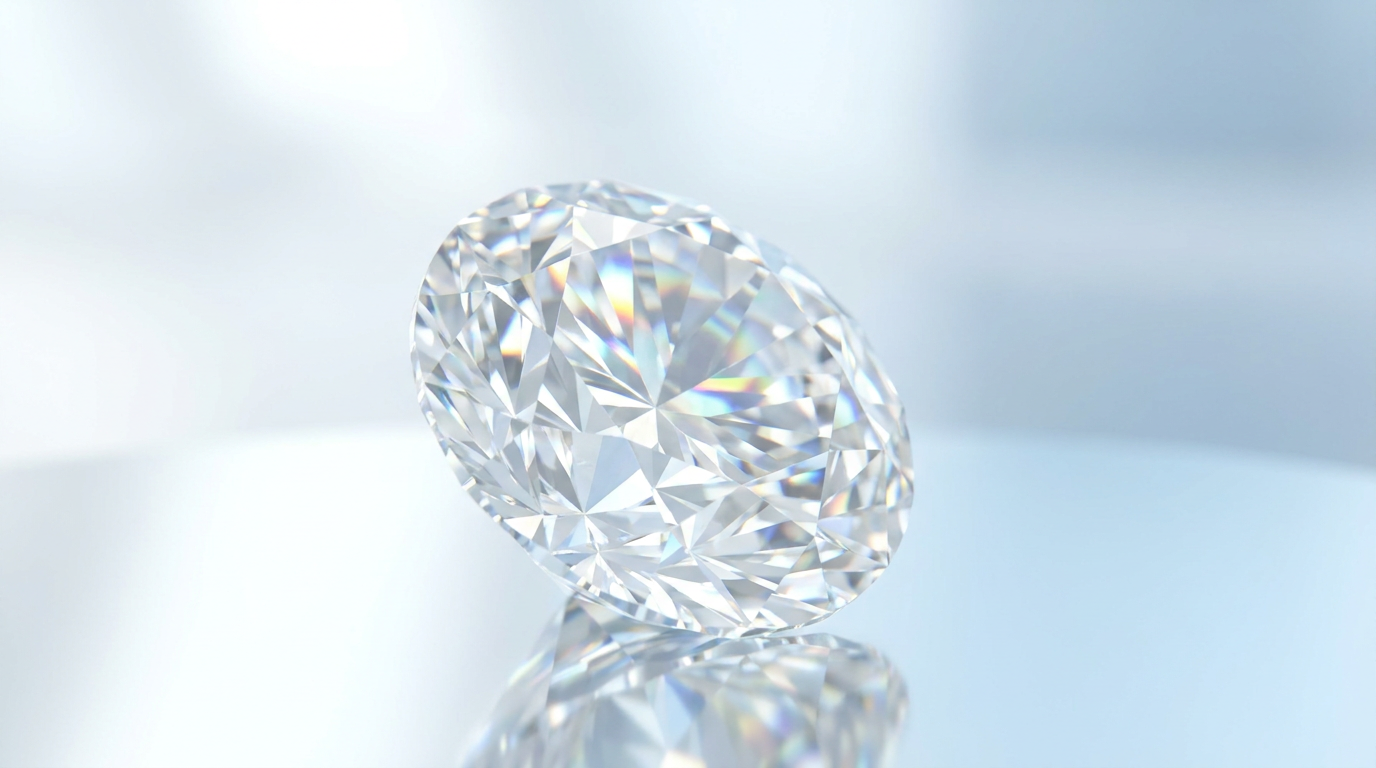
For buyers who want the short version before a customer asks: CVD stands for chemical vapor deposition, one of the processes used to grow diamonds in a lab setting. It works by placing a thin diamond seed in a controlled chamber, introducing a carbon-rich gas, and using heat to let carbon atoms deposit onto the seed layer by layer until a rough diamond crystal has formed. That rough is then cut and polished in-house using the same faceting and finishing standards applied to any diamond — the growth process determines how the rough crystal forms, not how the final stone is cut, graded, or evaluated.
Guru Diam's entire catalog is grown using CVD, and CVD only, across every category — melee, loose fancy color stones, and the diamonds used in finished jewelry. That single-method consistency simplifies sourcing for a wholesale buyer: there's no need to ask which growth process a given parcel or stone came from, because the answer is always the same.
For a retailer explaining lab-grown diamonds to a consumer, the key point is that a CVD diamond is chemically, optically, and structurally a diamond — the same carbon crystal structure, the same hardness, the same fire and brilliance — graded on the identical 4Cs scale used for any diamond. The only difference from a mined stone is where the crystal formed.
Melee Calibration and the QC Standards Wholesale Buyers Should Demand
Melee is the category where a loose-stone supplier relationship gets tested hardest, because the margin for error is measured in fractions of a millimeter and consistency has to hold across thousands of stones in a single parcel.
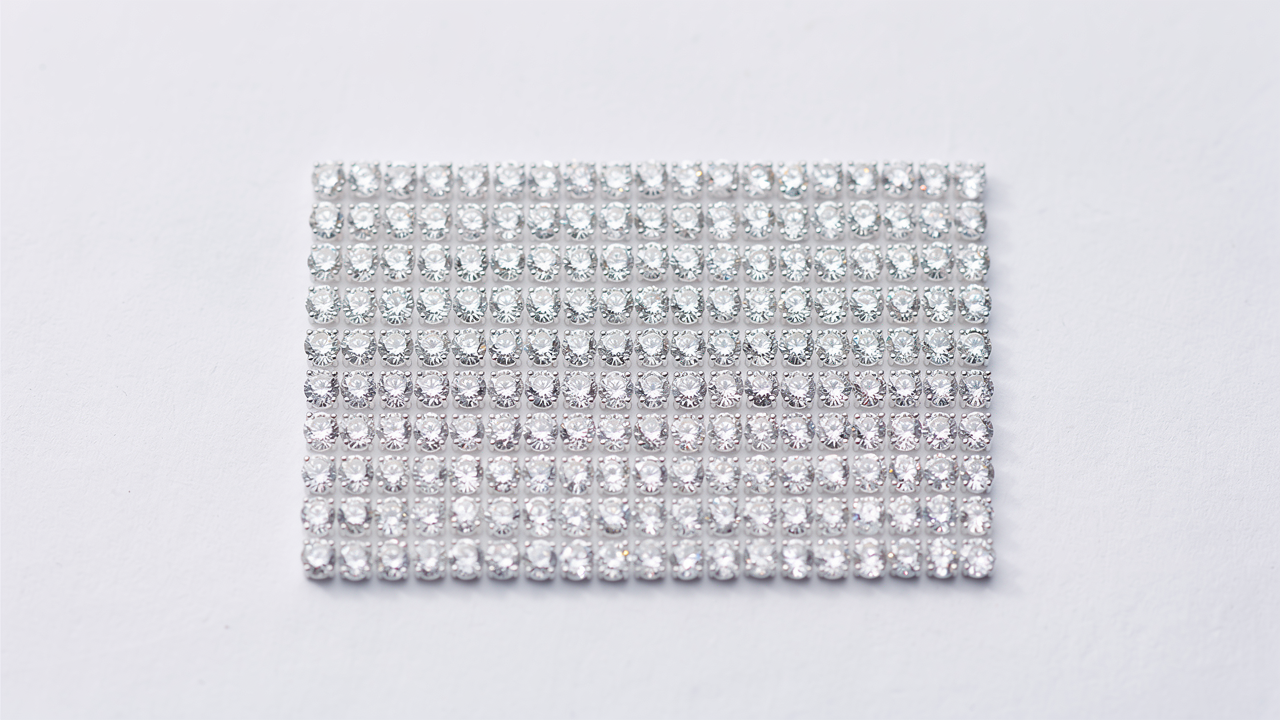
Guru Diam's melee runs a documented size range of 0.8mm to 9.0mm. Round brilliant melee is graded DEF+ color, VS+ clarity, and cut exclusively CVD. Fancy calibrated shapes — emerald, radiant, pear, marquise, and additional shapes available on request — hold the same DEF+/VS+ standard, also CVD only. Fancy color melee is available in Yellow, Pink, Blue, and Green, across both round and fancy shapes.
The calibration tolerance that actually matters to a setter is tight: plus or minus 0.10mm on dimension, plus or minus 0.10ct on weight, with color and clarity held to within one grade of the parcel's stated match. When a parcel drifts outside that tolerance during QC, it gets recut before it ships — it never goes out the door off-spec. That's the point worth pressing any supplier on directly: ask what happens to an out-of-tolerance parcel. A supplier that ships it anyway, or quietly loosens the tolerance to move inventory, is the one that costs a setter time on the bench later.
For a designer or retailer buying melee at wholesale volume, this level of published, enforced calibration is what makes it possible to reorder with confidence instead of re-inspecting every parcel that arrives.
Custom Engagement Rings and Finished Jewelry for NYC Retailers
Not every wholesale buyer wants to source loose stones and build in-house. A large share of NYC retailers and designers need finished product — custom engagement rings, ready-made bridal, and fashion jewelry — without the overhead of running their own bench.
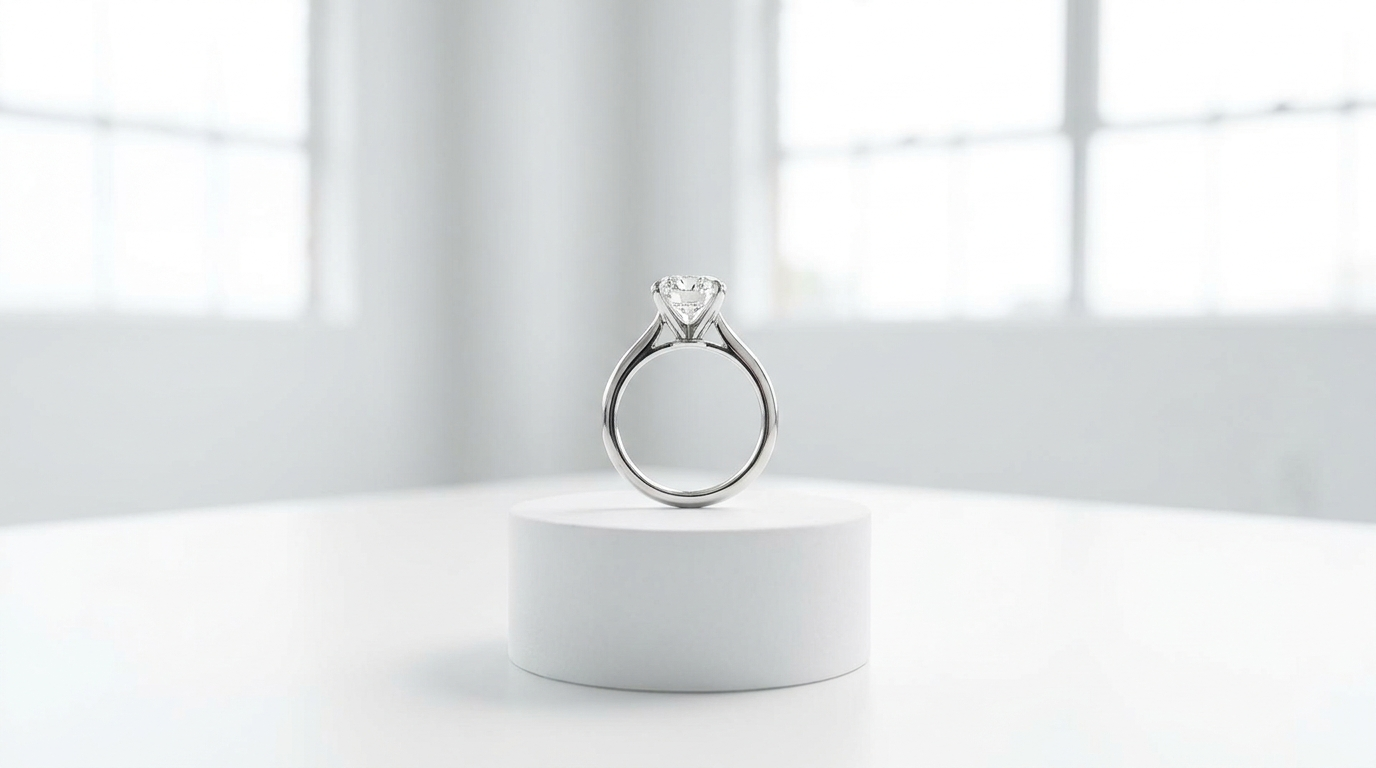
Guru Diam builds custom engagement rings and finished jewelry in-house, from initial stone and setting selection through final polish, and finished-jewelry and custom-ring orders run on a 4–6 day turnaround. That timeline is specific to finished, mounted product — a build-and-ship schedule for rings and jewelry — and it's separate from loose-stone sourcing, which runs on in-stock, ready-to-ship inventory rather than a build timeline.
For a retailer, that split matters operationally: loose stones for case inventory or in-house setting can move as fast as on-hand availability allows, while a custom build — a client-specific engagement ring with a chosen center stone, metal, and setting style — follows the finished-jewelry production schedule instead. Knowing which timeline applies to which order type is the difference between setting accurate expectations with a client and over-promising on a custom piece.
This finished-goods capability, paired with the loose-stone catalog, is what lets a single wholesale account cover both a case that needs restocking and a client who wants a one-off custom ring — without splitting the order across two vendors.
Local Logistics: Same-Day NYC Shipping and Why It Matters
Sourcing decisions in this trade are rarely just about the stone — they're about how fast a supplier can get it into a jeweler's hands when a client is standing at the counter or a custom build is on a deadline. This is one of the clearest practical advantages of buying from a supplier with an actual New York City presence rather than a name that only shows up in search results.
Orders placed with Guru Diam before 6pm EST ship the same day out of New York. For an NYC-based jeweler, that cutoff means a same-day order can realistically be on the bench or in the case the next business day — a meaningfully different experience than sourcing from a supplier with no East Coast operation, where every order inherits cross-country transit time by default.
That local speed compounds with the two-office structure: New York and Los Angeles operations give Guru Diam bi-coastal inventory and shipping reach, so a buyer isn't dependent on a single warehouse regardless of where they're ordering from. For a New York retailer specifically, the same-day NYC cutoff is the number that actually shows up in day-to-day reorder speed — the difference between a supplier that understands the pace of a working NYC storefront and one that treats every order the same regardless of geography.

The Diamond District Trade Relationship: Showroom Access and JCK
Online catalogs and price sheets only go so far in a trade that still runs, in large part, on face-to-face relationships and the ability to look at a stone under real light before committing to an order. New York's Diamond District is still the physical center of that trade, and a wholesale supplier's presence there — or lack of one — says something about how seriously they take the New York market.
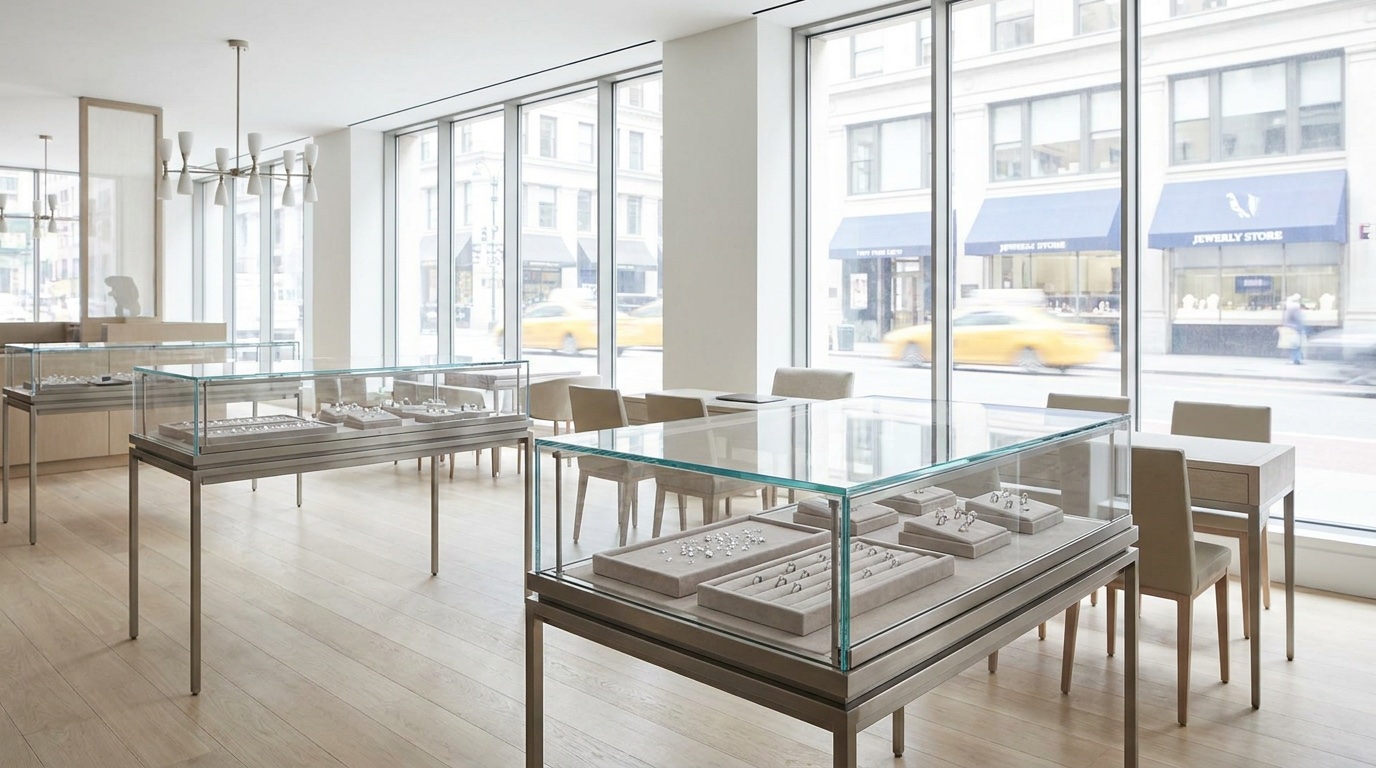
Guru Diam maintains an NYC showroom by appointment, giving trade buyers a place to view loose stones, review melee parcels, and discuss custom builds directly rather than working entirely from photos and spec sheets. For a jeweler comparing multiple diamond dealers in New York, that in-person option is often the deciding factor between suppliers whose catalogs look similar on paper.
Beyond the showroom, Guru Diam maintains a presence at JCK, the trade show where much of the industry's sourcing relationships get built or renewed each year. For buyers who prefer to evaluate a new supplier in person before opening an account, JCK and the NYC showroom are the two most direct paths to doing that — no cold trade-account application required first.
Common Myths About Lab-Grown Diamonds Wholesale Buyers Can Stop Worrying About
A few myths still slow down wholesale conversations, even with buyers who've sold lab-grown stones for years. Worth retiring these directly.
"Lab-grown diamonds aren't real diamonds." They are. A CVD lab-grown diamond has the identical carbon crystal structure, hardness, and optical properties as a mined diamond, and it's graded on the same 4Cs scale by the same labs — IGI and GIA both grade lab-grown stones using their standard diamond grading criteria, with a report that states the origin clearly.
"Lab-grown means lower quality control." Growth method has nothing to do with cut quality, calibration discipline, or grading accuracy — those come from the supplier's own standards, not from whether the rough was mined or grown. A poorly cut mined diamond and a poorly cut lab-grown diamond have the same problem: poor cutting, not point of origin.
"You can't get lab-grown in fancy colors or antique cuts." Coverage varies by supplier, but a well-stocked wholesale catalog carries fancy color stones, fancy color melee, and antique or exotic cuts in CVD lab-grown just as reliably as round brilliant — category breadth is a question about the supplier, not a limitation of the growth method itself.
"Certification works the same for melee as it does for loose stones." It doesn't, and any supplier who blurs that line — calling uncertified parcel goods "certified" — is the one worth walking away from, not the stone itself.
How to Start a Wholesale Account with Guru Diam
Opening a trade account is meant to be a short conversation, not a drawn-out application. Guru Diam works with jewelers, retailers, and designers across categories — loose certified stones, fancy color diamonds, calibrated melee, and custom or finished jewelry — under a single wholesale account, with more than 2,000 active customer accounts currently sourcing through the catalog.
To start, a buyer typically reaches out through the wholesale hub to establish trade credentials and get access to current pricing and inventory, or connects directly as a trade partner for ongoing account management, custom builds, and reorder support. From there, most NYC-area buyers either place an initial order remotely or set up an appointment to view stones and melee parcels in person at the New York showroom before committing to a first order.
Whether the immediate need is restocking round melee, sourcing a matched pair for a client, or building out a fancy color program, the starting point is the same: one account, one supplier, and a catalog built to cover the categories a working NYC jewelry business actually needs — without piecing sourcing together across three or four vendors.
Frequently Asked Questions
What does "wholesale" mean when sourcing lab-grown diamonds in NYC?
In this trade, wholesale means a standing trade account with category-based pricing and a supplier that expects repeat business, not a one-time discounted purchase. A true wholesale relationship gives a jeweler, retailer, or designer access to on-hand inventory across loose stones, melee, and finished jewelry, along with the ability to reorder consistently at the same grading standard. That's different from a consumer-facing listing that simply advertises a lower price on a single stone — the trade account is built around volume, category breadth, and reliability over time, which is what an NYC storefront or studio actually needs week to week.
Are lab-grown melee diamonds sold with certification?
No — loose melee is sold as parcel goods, quality-controlled in-house against published color, clarity, size, and cut specs, but not individually or parcel-level certified by IGI or GIA. That's standard across the wholesale melee trade. Certification applies to loose stones at 0.30ct and above, which are graded and certified through IGI or GIA as a separate tier of inventory. A supplier that blurs this distinction — describing melee parcels as "certified" — is misrepresenting how melee is actually graded, and it's worth avoiding any vendor that does.
What's the difference between IGI and GIA certification for lab-grown diamonds?
Both IGI and GIA are recognized third-party labs that grade lab-grown diamonds against the same 4Cs criteria used for mined stones, and both issue reports that state the diamond's origin clearly. Neither lab's report implies a lower-quality stone — the grading standard itself doesn't change based on how the diamond formed. Which lab a buyer prefers often comes down to their own customer base and regional recognition; a wholesale supplier that can source loose stones certified through either lab gives a retailer flexibility to match whichever report their clients expect to see.
How fast can I get a wholesale diamond order in New York City?
Orders placed before 6pm EST ship the same day out of New York, which for most NYC-area jewelers means next-business-day arrival on ready-to-ship, on-hand inventory. That local cutoff is only possible because the supplier operates directly in New York rather than shipping every order cross-country from a single distant warehouse.
Custom engagement rings and other finished, mounted jewelry follow a different path: since those orders require an actual build rather than picking from on-hand inventory, they run on their own separate production turnaround instead of the same-day shipping cutoff.
Does Guru Diam only sell CVD lab-grown diamonds?
Yes — the entire catalog is CVD lab-grown, across loose stones, melee, and finished jewelry, with no other growth method mixed in. That single-method consistency is part of why grading and calibration hold steady across categories: a buyer never has to ask which process a particular parcel or stone came from, because the answer is always the same. For a retailer fielding consumer questions about lab-grown diamonds, it also simplifies the explanation — one growth method, one consistent quality standard, across the full range of shapes and colors carried.
Can I view diamonds in person before opening a wholesale account?
Yes. Guru Diam maintains a New York showroom by appointment, where trade buyers can view loose stones and melee parcels and discuss custom builds directly before committing to an order. Guru Diam also maintains a presence at JCK, the industry trade show where many wholesale relationships in this business get started or renewed. Either option lets a prospective buyer evaluate quality and consistency firsthand rather than relying entirely on photos and spec sheets before opening a trade account.