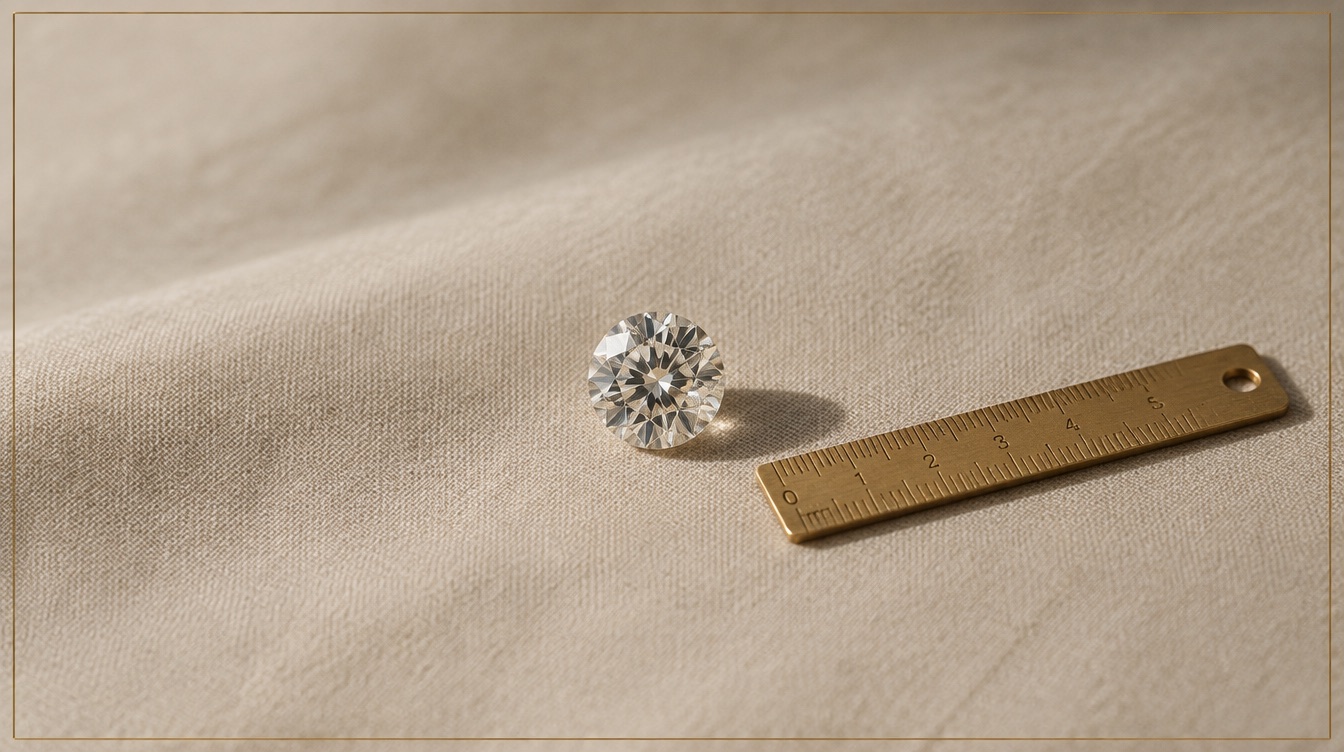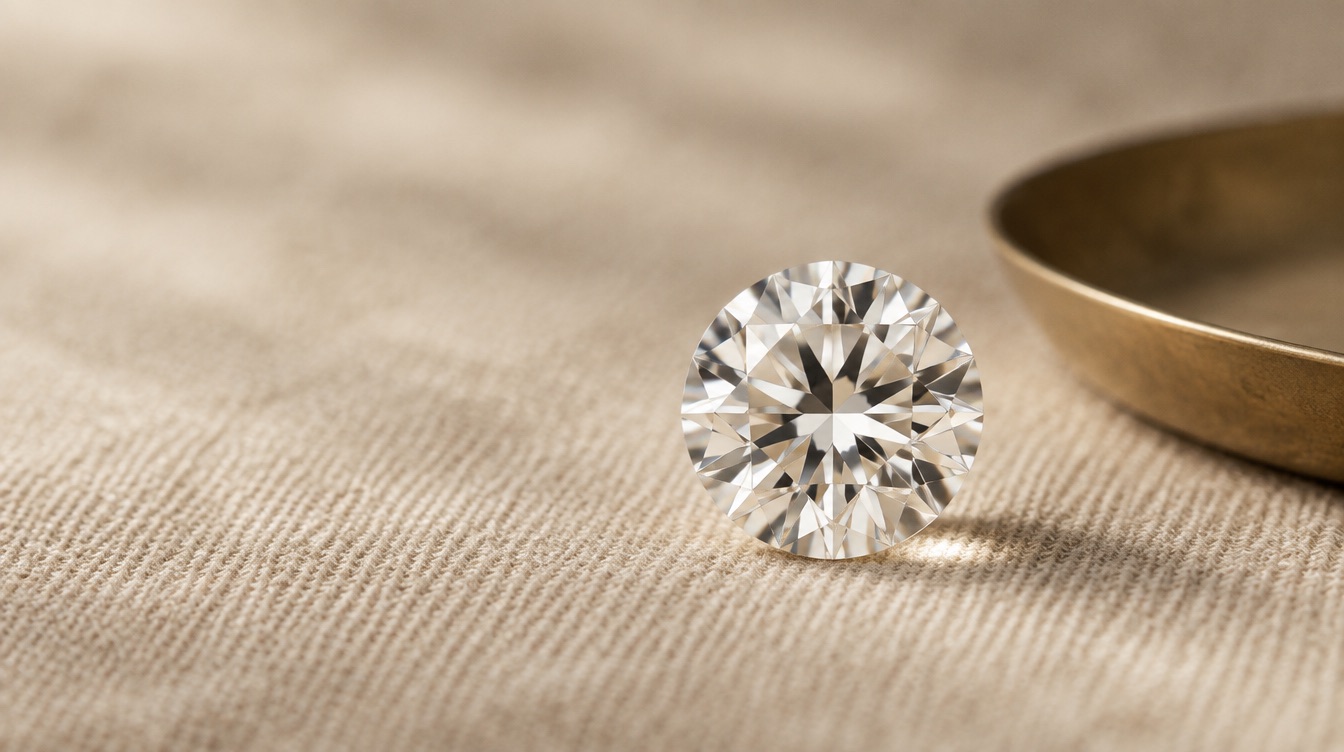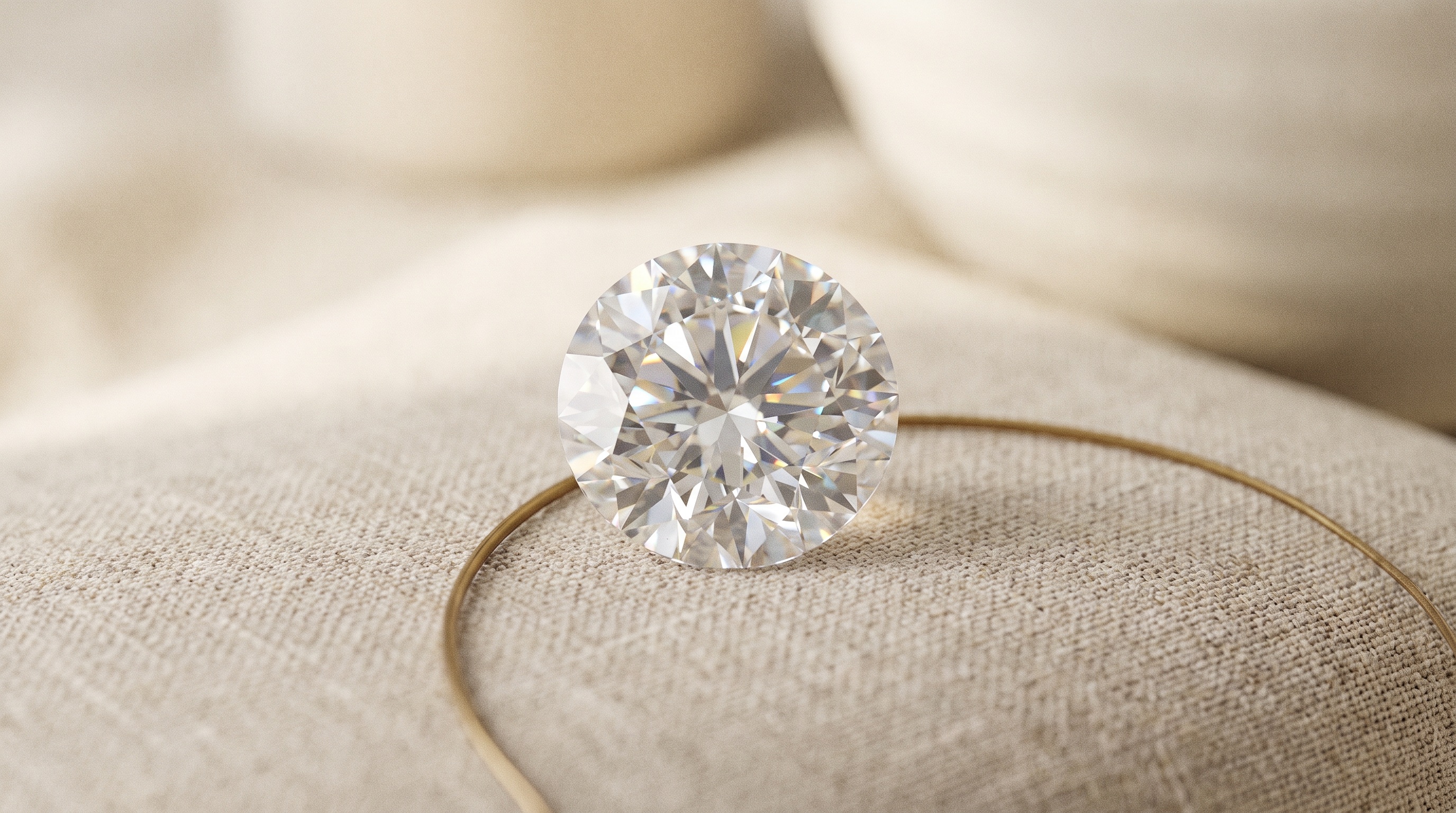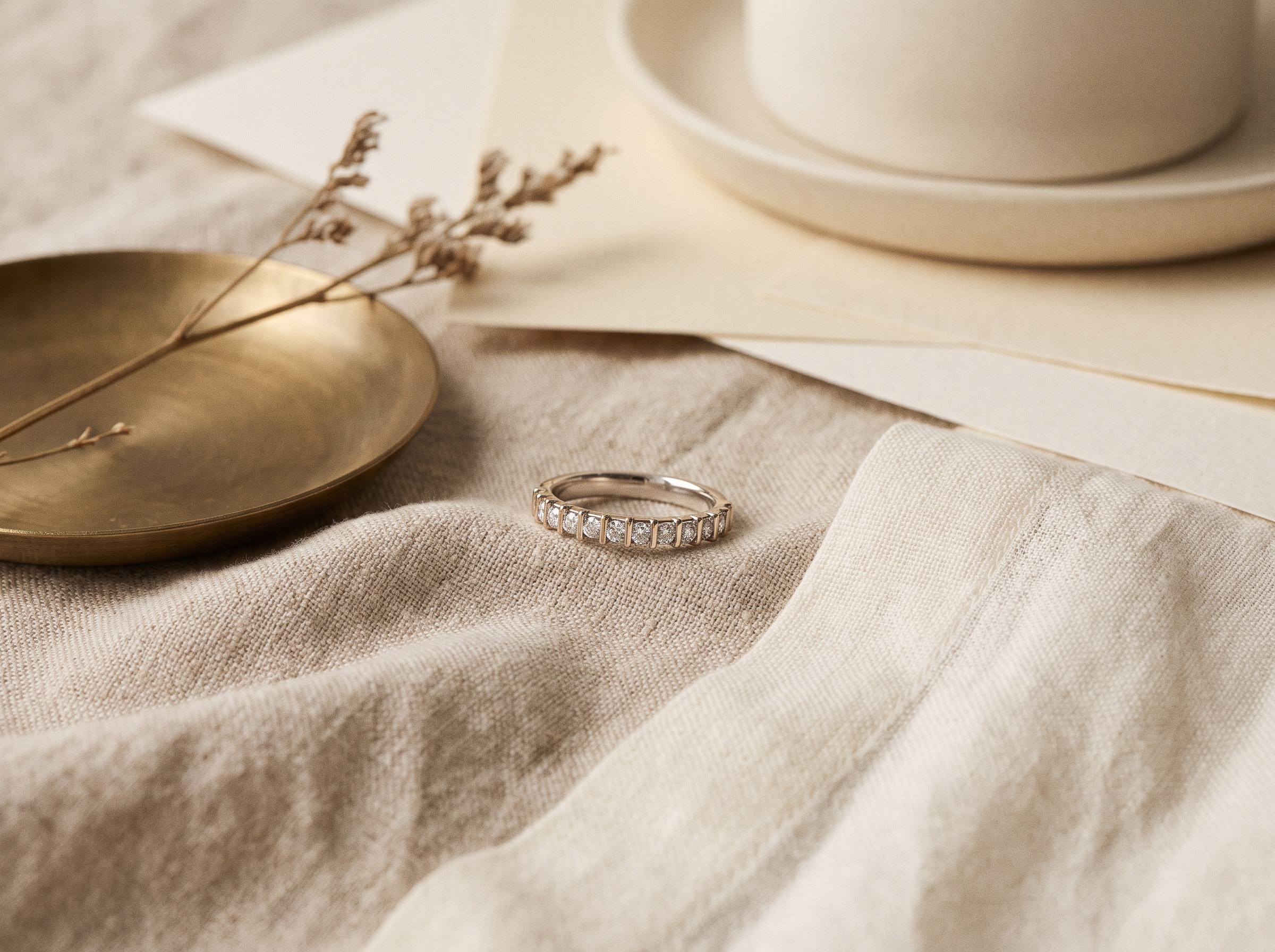
A bar setting secures a row of diamonds using individual thin metal bars placed between each stone (or pair of stones), rather than one continuous channel or a network of small prongs. Each stone sits between two bars that grip its girdle on either side, leaving the top and, partially, the sides of each stone exposed to light — a construction that sits visually and structurally between the fully enclosed channel setting and the more open pavé setting.
Bar settings are a popular choice for wedding bands, ring shoulders, and stacking rings where buyers want more light exposure than a channel setting allows while keeping a cleaner, more structured look than pavé. This guide covers what actually defines a bar setting, its structural anatomy, how it compares to channel, pavé, and shared-prong settings, genuine pros and cons, which stone shapes and sizes work best, metal and durability considerations, common applications, what to check before ordering, and how to maintain a bar-set piece over time.
What Defines a Bar Setting
The defining feature of a bar setting is structural: individual metal bars, spaced between each stone or pair of stones along a row, grip each stone's girdle from either side rather than enclosing the entire row inside one continuous wall the way a channel setting does. Because the bars are discrete rather than continuous, light enters from the sides between each bar, giving bar-set stones noticeably more side and top light exposure than a fully enclosed channel row.
This distinguishes a bar setting from a few styles it's frequently confused with:
- Channel setting: Uses one continuous groove enclosing the entire row rather than individual bars between stones — a channel setting shows no visible metal dividers between stones, while a bar setting shows a thin vertical divider at each stone gap.
- Pavé setting: Uses small raised metal beads or tiny prongs between each stone rather than solid vertical bars, creating a more textured, sparkling surface with generally less structural bulk than a bar setting's dividers.
- Shared-prong setting: Adjacent stones share a single prong between them rather than being separated by a solid metal bar — shared-prong rows show a small rounded prong tip at each junction rather than a flat bar face.
Anatomy of a Bar Setting
| Component | Role |
|---|---|
| Bars (dividers) | Individual vertical strips of metal positioned between each stone or stone pair, gripping each stone's girdle from either side |
| Girdle contact points | The specific points along each stone's girdle where a bar makes contact and applies holding pressure |
| Bar spacing | The gap width between bars, which determines how much side light reaches each stone and how visually prominent the metal dividers read |
| Base metal / floor | The metal beneath the stones, which can be open (allowing light through from underneath) or solid, affecting light performance and ease of cleaning |
| Bar height | How far the bars extend above the stones' girdle line — finished flush or slightly raised, affecting both appearance and snag risk |
Bar Setting vs. Other Multi-Stone Setting Styles
| Setting Style | Visible Metal Between Stones | Snag Risk | Light Exposure | Best For |
|---|---|---|---|---|
| Bar | Thin vertical metal bars between stones or pairs | Low-to-moderate — bars sit slightly raised | Very good — open sides between bars let in significant light | Buyers wanting more light entry than a channel while keeping a clean, structured look |
| Channel | None — smooth continuous groove | Very low — no raised prongs or bars | Good from above; limited from the sides due to enclosing walls | Buyers wanting a clean, durable, low-profile row with minimal snag risk |
| Pavé | Small raised beads between stones | Low-to-moderate — beads sit slightly proud of the surface | Excellent — open structure lets light in from multiple angles | Buyers maximizing overall sparkle and light performance |
| Shared-prong | Small rounded prong tips at each stone junction | Moderate — prong tips are more exposed than a flat bar face | Very good — open structure similar to bar setting | Buyers wanting maximum sparkle from an eternity-style row |
Advantages of a Bar Setting
- Strong light performance. With open sides between each bar, bar settings let in significantly more light than a fully enclosed channel setting, delivering noticeably more brilliance and scintillation from the sides.
- Clean, structured look. The vertical bars create a graphic, architectural rhythm along the row — a distinct aesthetic some buyers specifically prefer over the softer, more textured look of pavé.
- Good stone protection relative to pavé. Each stone's girdle is gripped and partially protected by solid bars on either side, offering somewhat better edge protection than the smaller, more delicate beads used in pavé work.
- Versatile across stone sizes. Bar settings work well with a range of accent stone sizes, from small melee rows to larger statement-size stones, more flexibly than a channel setting, which depends heavily on tight, uniform calibration.
- Distinctive, less common look. Bar settings are used less frequently than channel or pavé, giving a piece a somewhat more distinctive appearance for buyers wanting a recognizable but less ubiquitous setting style.
Drawbacks and Practical Considerations
- Higher snag risk than a channel setting. Because the bars sit slightly raised and the row isn't fully enclosed the way a channel is, bar settings carry somewhat more snag risk against clothing or hair than a smooth channel row.
- Less stone-edge protection than channel. Each stone's edges are only protected on two sides by the adjacent bars, leaving more of the stone's profile exposed than a fully enclosed channel setting provides.
- Precision-dependent fabrication. Like channel work, a bar setting's holding power depends on precise bar spacing and girdle contact — a poorly fabricated bar row can leave stones loose or unevenly seated.
- Resizing complexity. A bar-set row running through or near a ring's sizing area complicates resizing in a similar way to channel or eternity-style construction, since cutting into a bar-set section risks disturbing the row's structure.
Which Stone Shapes and Sizes Work Best
Bar settings are most commonly used with calibrated, uniform stones arranged in a row, though the style tolerates somewhat more size variation than a channel setting does:
- Round brilliant. The most common shape used in bar settings — rounds calibrate easily and their symmetry suits the setting's clean, repeating rhythm.
- Baguette and other step cuts. A strong second choice — the straight-sided profile pairs naturally with the bar setting's linear, architectural look, often used in alternating patterns with round stones.
- Princess and other square-cornered shapes. Workable in a bar setting, though sharp corners require careful bar placement to avoid chipping at the corner points.
- Larger individual stones. Unlike channel setting, bar setting is also used for spacing a few larger individual stones along a shoulder or band, not only for dense uniform rows of small melee.
Metal Choice and Durability
| Metal | Durability for Bar Construction | Notes |
|---|---|---|
| Platinum | Excellent | Dense and strong, holds precise girdle contact points well over years of wear without bars loosening their grip |
| 18k white/yellow/rose gold | Very good | Strong and widely used for bar work; benefits from adequate bar gauge for long-term security |
| 14k gold | Good | Harder and more scratch-resistant than 18k due to higher alloy content, a durable practical choice for bar-set pieces meant for daily wear |
Because a bar setting's holding power depends on precise bar-to-girdle contact at just two points per stone rather than a fully enclosing channel wall or multiple wrapping prongs, fabrication precision matters as much here as it does for channel work. A bar cut or cast even slightly too wide won't grip its stones securely regardless of metal choice, which is why bar setting is generally considered a bench-skill-dependent technique rather than a simple, forgiving setting style.
Common Applications for Bar Settings
- Wedding bands. A bar-set row of round or baguette stones is a popular wedding band style for buyers who want more visible sparkle than a channel setting while keeping a clean, structured look.
- Engagement ring shoulders. Bar-set accent stones along the shoulders add strong light performance without the visual softness of pavé, appealing to buyers who prefer a more architectural aesthetic.
- Stacking rings. The bar setting's clean, graphic look pairs well with the stacking-ring trend, where a single bar-set row often functions as a complete, minimal design on its own.
- Men's rings. The structured, less delicate appearance of bar setting suits men's wedding bands and fashion rings looking for a diamond accent without a softer, more traditionally feminine pavé texture.
What to Check Before Ordering a Bar-Set Piece
- Bar spacing and fabrication precision. Confirming a bench that fabricates bars to tight, consistent spacing matters directly for both appearance and long-term stone security.
- Bar height and snag risk. Ask how far the bars sit above the stones — a lower profile reduces snag risk for a piece meant for regular daily wear.
- Resizing expectations upfront. If a bar-set row runs through or near the sizing area of a ring, discussing resizing limitations with a jeweler before finalizing the design avoids surprises later.
- Stone calibration consistency. Confirming that all stones going into a bar-set row are calibrated to consistent dimensions prevents gaps or uneven pressure across the row.
Maintenance and Long-Term Care for a Bar-Set Piece
Because a bar setting relies on precise bar-to-girdle contact at limited points per stone, routine professional inspection helps catch early wear before a stone works loose:
- Periodic bench inspection. A jeweler checking that each bar still grips its adjacent stones securely — roughly every twelve to eighteen months for a piece in regular wear — catches early wear before a stone works loose.
- Careful cleaning around the bars. A soft brush and mild solution reach debris that can settle around the bars and stone girdles over time; avoid aggressive scrubbing that could stress the bar-to-stone fit.
- Mindful handling during manual work. Because bars sit slightly more exposed than an enclosed channel wall, being mindful of direct knocks against the row during heavy manual activity helps preserve long-term stone security.
Bar Setting Variations Worth Knowing
Not every bar-set piece follows an identical template — several recognized variations exist within the broader category:
- Full bar-set eternity row. Bars run the entire circumference of the band, giving continuous sparkle with strong side-light exposure from every angle — a more resizing-restrictive variation for the same reasons a full eternity band is hard to resize.
- Partial or shoulder-only bar setting. Bars cover only a defined section of the band or shoulders, leaving the resizing area as plain metal — a common compromise preserving normal resizing flexibility.
- Mixed-shape bar setting. Combines round and baguette (or other calibrated shapes) in an alternating sequence within the same bar-set row, requiring precise calibration across multiple shapes.
- Wide-bar variation. Uses noticeably thicker bars for a bolder, more architectural look, trading some light exposure for a more graphic, statement-making aesthetic.
A Brief History of the Bar Setting
Bar setting gained popularity as a structural alternative to both fully enclosed channel work and the softer, more delicate look of pavé, offering designers a way to combine strong light performance with a cleaner, more architectural surface than pavé's textured beadwork. The style has long been associated with more graphic, modern design sensibilities, since the visible vertical dividers between stones create a rhythmic, structured pattern distinct from the smooth continuity of a channel or the dense sparkle of pavé. Its continued popularity in stacking rings and minimalist wedding bands reflects an ongoing preference among some buyers for a setting style that reads as more deliberately constructed and geometric rather than softly decorative.
Sourcing Bar-Set Diamonds and Melee at Wholesale
A well-executed bar setting depends on tightly calibrated stones as much as skilled bench work — even sizing and consistent color and clarity across the row are what make a bar-set piece read as clean and intentional rather than uneven. Guru Diam supplies calibrated melee and loose diamonds in round, baguette, and other calibrated shapes suited to bar-set work, natural and CVD lab-grown, with matched sets available for projects that require consistent sizing across a full row. For jewelers and designers building bar-set pieces to order, the custom jewelry program handles cutting, setting, and polishing all in-house, with finished pieces delivered in 4-6 days. Calibrated melee and matched rows for bar-set work can be sourced through matching pairs, with individually certified center stones available through the certified diamonds category for pieces pairing a bar-set band with a separate center stone. Trade accounts can review terms at the wholesale hub or apply through trade partner.
Bar Setting in Contemporary Minimalist Design
Bar setting has found particular favor in the contemporary minimalist jewelry movement, where its clean, graphic structure aligns naturally with a broader design preference for restraint and geometric clarity over more ornamental or densely textured surfaces. A single thin band with a short bar-set row of stones delivers a deliberate, architectural accent without the visual density of a full pavé surface or the softness of a prong-set row, making it a frequent choice for buyers seeking a modern, understated aesthetic rather than a more traditional or heavily embellished look. This alignment with minimalist design sensibilities has helped sustain bar setting's popularity even as broader bridal fashion trends have shifted between more maximalist and more restrained periods over time.
Combining Bar Setting With Other Setting Styles in One Piece
Bar-set rows are frequently combined with other setting styles within a single piece rather than used as the sole setting method throughout — a prong-set center stone flanked by bar-set shoulder accents is a common construction, pairing the security and visibility benefits of prong setting for the primary stone with the clean, structured look of bar setting for the supporting row. This kind of combination setting requires a bench capable of executing both techniques to a consistent standard within the same piece, and buyers commissioning a combination design should confirm a manufacturing partner's experience specifically with multi-technique construction rather than assuming any bench comfortable with one setting style automatically handles the other equally well.
Cost Considerations for Bar-Set Pieces at Wholesale
Bar setting generally falls in a middle cost tier relative to other multi-stone setting styles — more labor-intensive than a simple shared-prong row due to the more precise, individually fabricated bar dividers, but typically less labor-intensive than a fully milled channel setting, which requires more extensive metal removal and a continuous groove fabricated to tight tolerance along its full length. Buyers and jewelers estimating costs for a bar-set piece should factor in stone calibration costs alongside the bar fabrication labor itself, since — as with channel setting — the stones going into a bar-set row typically need tighter size consistency than a simple prong-set row of similar stones would require.
Why Buyers Choose Bar Setting Over Alternatives
Buyers gravitate toward bar setting specifically when they want meaningfully more light performance than a channel setting delivers, without fully committing to pavé's denser, more textured surface or a shared-prong row's slightly higher exposure at each stone junction. It occupies a genuine middle position on the durability-versus-brilliance spectrum among common multi-stone setting styles, which is precisely why buyers who find channel setting "too enclosed" and pavé "too delicate-looking" for their taste frequently land on bar setting as the style that best matches what they're picturing. Understanding this positioning helps a jeweler guide a customer efficiently toward bar setting when their stated preferences point toward this specific middle ground, rather than working through several less-suited options first.
Frequently Asked Questions
What makes a setting a "bar setting" specifically?
A bar setting holds a row of stones using individual metal bars placed between each stone (or pair), gripping each stone's girdle from either side. This creates visible vertical dividers between stones, distinguishing it from a channel setting's continuous enclosed groove and pavé's small raised beads.
Is a bar setting more durable than a channel setting?
Generally no — a channel setting's fully enclosed walls offer somewhat better edge protection and lower snag risk than a bar setting's more open construction. Bar settings trade some of that durability for meaningfully better light performance from the sides.
How is a bar setting different from a shared-prong setting?
A bar setting uses solid, flat metal bars between stones, while a shared-prong setting uses small rounded prong tips shared between adjacent stones. Bar settings generally read as more structured and architectural, while shared-prong tends to maximize sparkle slightly further.
What diamond shapes work best in a bar setting?
Round brilliant and baguette are the most common and best-suited shapes, calibrating easily into a consistent row. Princess and other square-cornered shapes are workable but require more careful bar placement to protect the corners.
Are bar-set rings harder to resize?
It depends on placement — if bars run through or near the sizing area of the shank, resizing is more complex than a plain band, similar to channel-set or eternity-style construction. Bars confined to the shoulders are generally easier to resize.
Can a single stone in a bar setting be replaced if damaged?
Yes, though it requires careful bench work to reopen and refit the surrounding bars without disturbing neighboring stones — similar in complexity to repairing a single stone in a channel setting.
Does a bar setting sparkle more than a channel setting?
Generally yes — the open sides between individual bars let in more light than a channel setting's fully enclosed continuous groove, giving bar-set stones noticeably more side and top light exposure and a livelier overall sparkle pattern.
Is bar setting a good choice for an everyday wedding band?
Yes, for buyers who want more sparkle than a channel setting while still keeping a relatively clean, structured profile suited to daily wear. It carries slightly more snag risk than a fully enclosed channel, so buyers with very hands-on daily activities should weigh that tradeoff against the added light performance before finalizing their choice.
What metal is best for a bar-set piece meant for daily wear?
Platinum offers the best long-term durability for holding precise girdle contact points, with 18k and 14k gold both serving as strong, widely used alternatives. 14k gold's higher alloy content makes it somewhat more scratch-resistant for a piece in constant daily use.