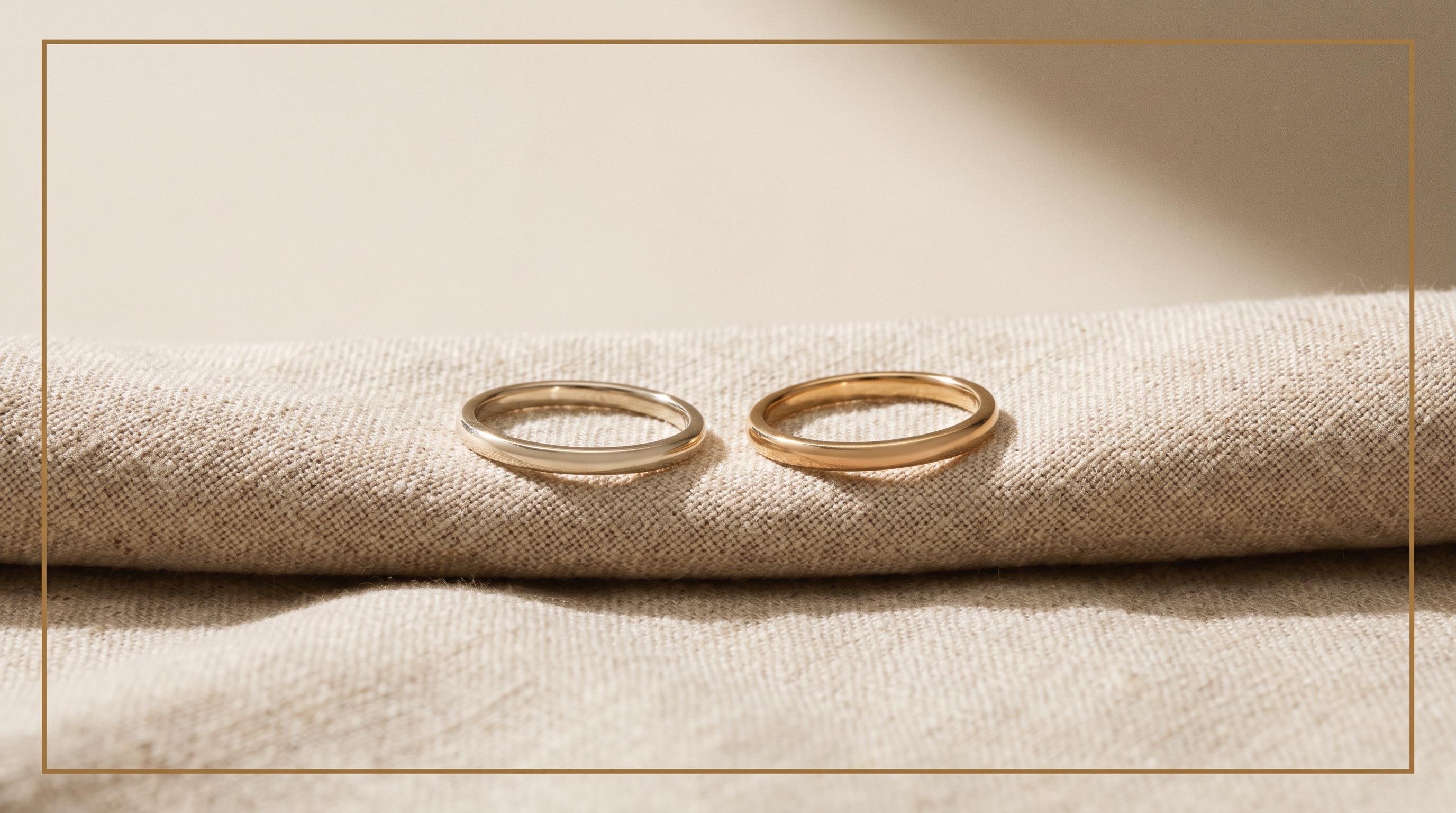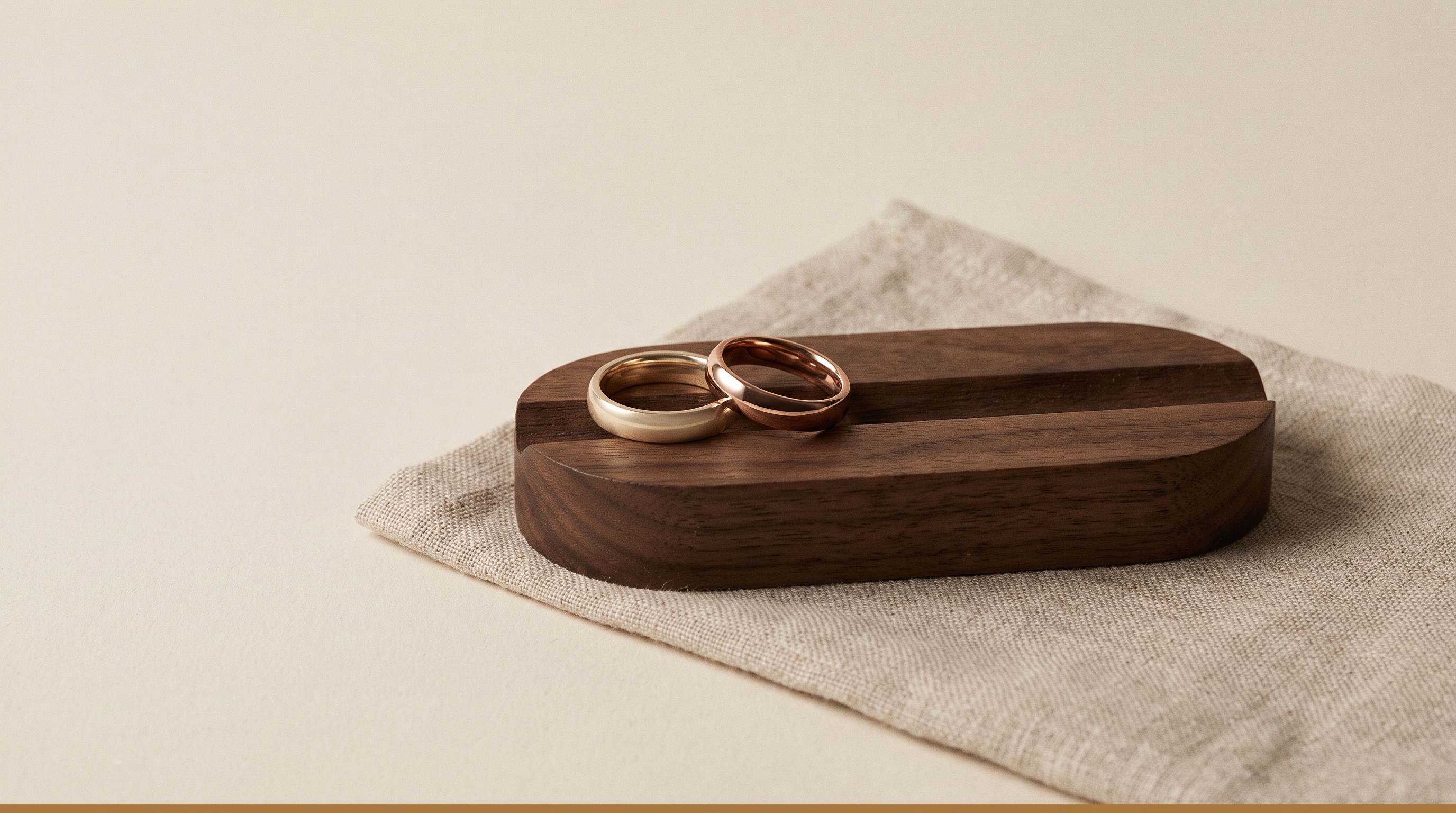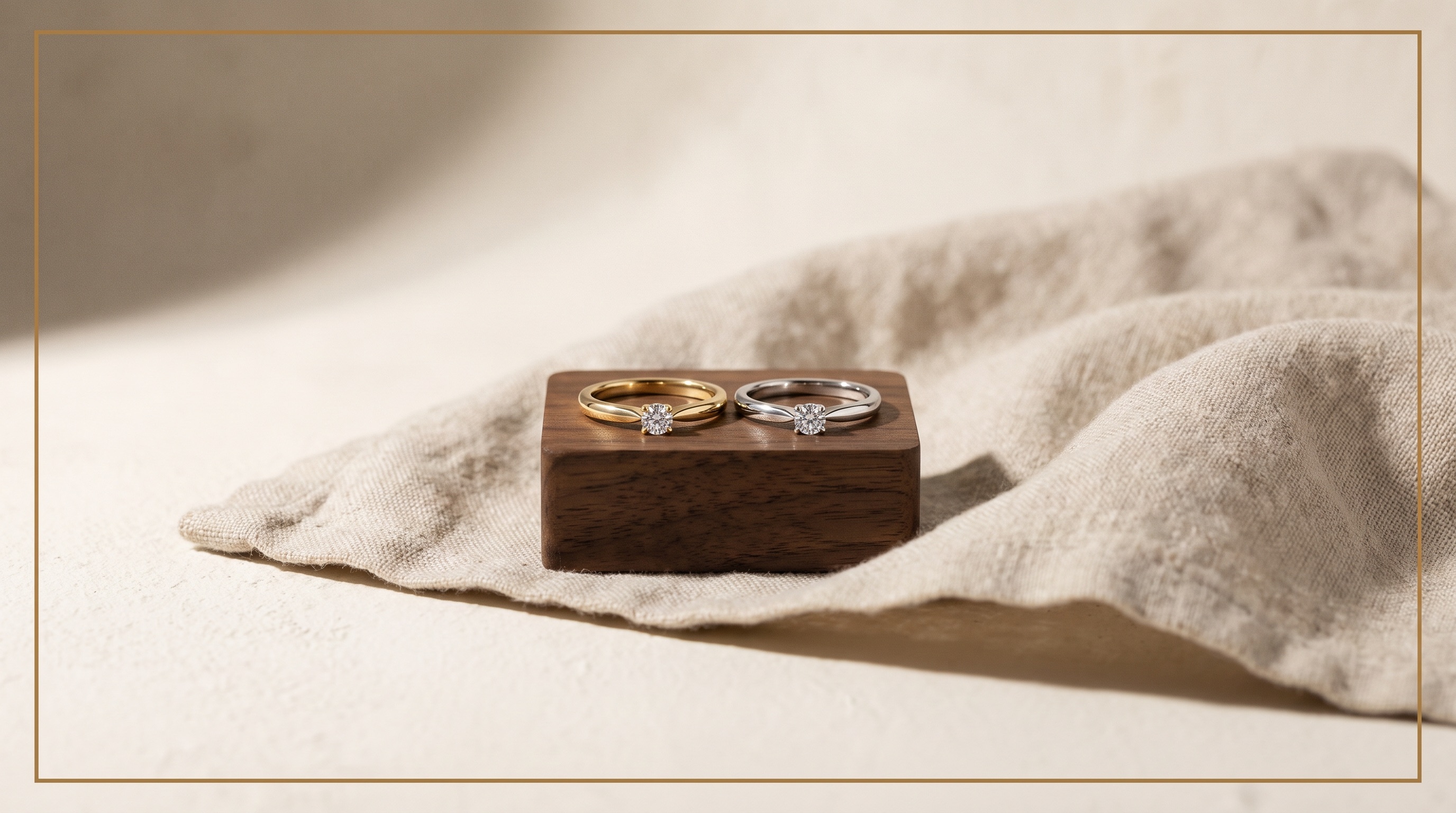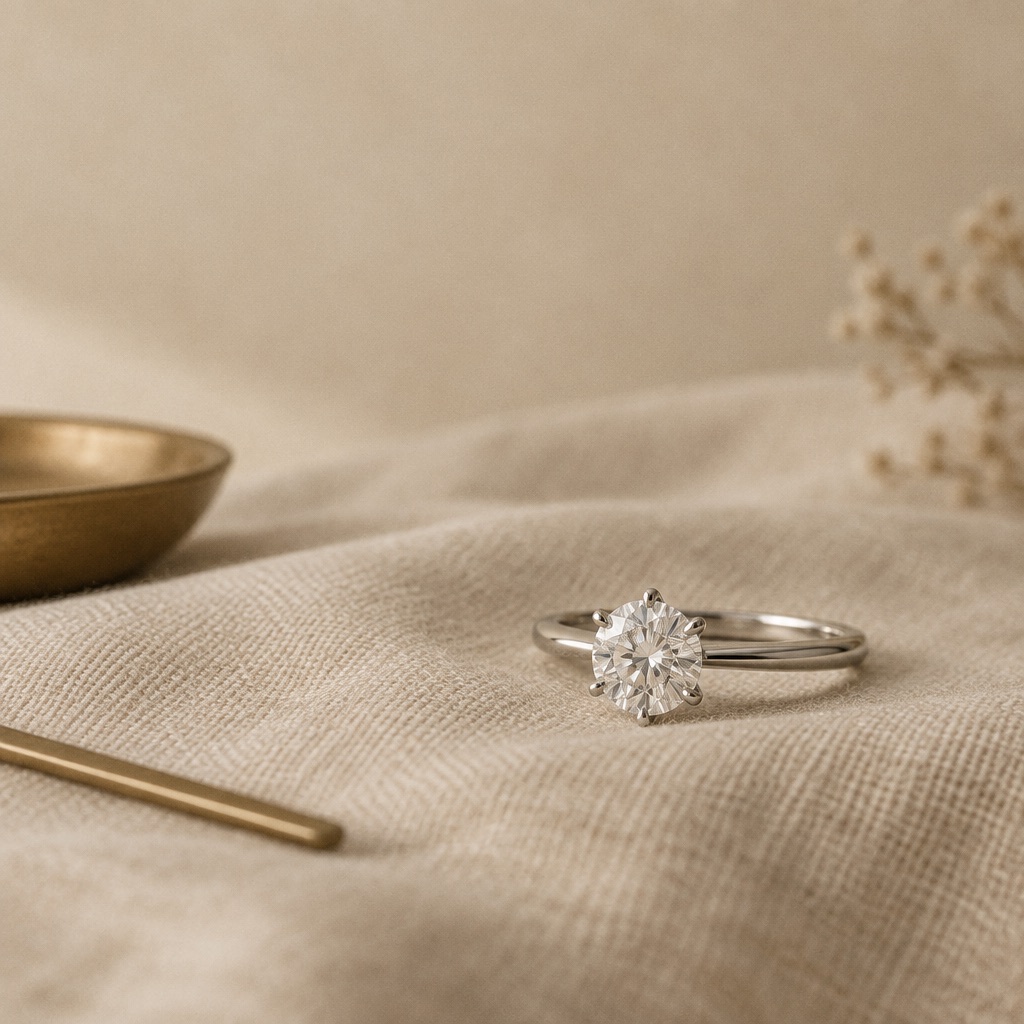
A 1 carat diamond ring centers a diamond weighing exactly one carat (200 milligrams) in a ring setting, most commonly as an engagement ring. One carat is the most popular center-stone weight sold in the US market, sitting at a natural midpoint: large enough to read clearly on the hand, small enough to stay within a wide range of realistic budgets. Its actual size and price, though, swing considerably depending on shape, cut quality, and the four other value factors covered below — a well-cut 1 carat stone can look noticeably larger than a poorly cut one of the identical weight.
What a 1 Carat Diamond Actually Measures
Carat is a unit of weight, not size, which is the single most common point of confusion for first-time buyers. A well-proportioned 1 carat round brilliant diamond measures approximately 6.4-6.5mm in diameter. But weight and visible diameter don't move together in a straight line across shapes:
- Round brilliant: ~6.4-6.5mm diameter
- Princess cut: ~5.5mm x 5.5mm
- Oval: ~7.7mm x 5.7mm (reads larger due to elongation)
- Emerald cut: ~6.5mm x 4.5mm (reads larger due to a bigger table)
- Marquise: ~9.9mm x 4.9mm (the most size-maximizing shape at a given weight)
- Cushion: ~6.0mm x 6.0mm
Elongated shapes (oval, marquise, pear) consistently look larger than round or square shapes at the same carat weight, because more of that weight is distributed across a longer visible face-up area rather than depth. This is why two 1 carat diamonds, one round and one marquise, can look meaningfully different in size side by side despite identical weight.
Cut Quality Changes Apparent Size More Than Most Buyers Expect
Cut grade affects how a diamond returns light, but it also affects proportions that change visible diameter. A diamond cut too deep sinks more of its carat weight below the girdle, where it's hidden by the setting, producing a smaller face-up appearance than a well-proportioned stone of the same weight. A diamond cut too shallow can look slightly larger face-up but often shows a "fish-eye" effect — a visible dark or washed-out ring around the table — and loses brilliance. An Excellent or Ideal cut grade round brilliant maximizes both face-up size and light performance for its weight; a Good or Fair cut grade stone of the identical carat weight can look 5-8% smaller in diameter for the same money spent on weight.
The 4Cs Interact to Set Price, Not Just Carat
Two 1 carat diamonds can differ in price by several multiples depending on color, clarity, and cut grade. Carat weight sets a baseline, but the other three Cs determine where within a wide range a specific stone's price actually falls.
| Factor | What It Measures | Practical Impact on a 1ct Stone |
|---|---|---|
| Cut | Proportions, symmetry, and polish that determine light return | Biggest visual impact on brilliance and apparent size; buy the best cut grade the budget allows first |
| Color | Absence of yellow/brown tint, graded D (colorless) to Z | G-H color is often visually indistinguishable from D-F in a mounted ring at typical viewing distance, at a lower price |
| Clarity | Presence and visibility of internal/external characteristics | VS1-VS2 is eye-clean for nearly all buyers; SI1 can also be eye-clean depending on inclusion location |
| Carat | Weight, not size | Price jumps disproportionately at round-number thresholds (0.90ct to 1.00ct, for instance) due to demand clustering |
Why Diamonds Just Under 1 Carat Are Often Better Value
Diamond pricing isn't linear with weight — it jumps at psychologically significant round numbers because more buyers specifically search for "1 carat" than for "0.95 carat," concentrating demand (and price) right at that threshold. A 0.90-0.95 carat stone of otherwise identical quality is frequently priced meaningfully lower per carat than a stone at 1.00 carat or just above it, while looking essentially identical face-up. Buyers focused purely on visual size and quality per dollar, rather than the round number on the certificate, often find better value shopping just under the 1 carat line.
Shape Selection: Matching a Shape to How the Ring Will Be Worn
Beyond apparent size, shape affects durability and daily wear. Round brilliant and cushion cuts have more rounded facet junctions that resist chipping better in daily wear. Step-cut shapes like emerald and asscher have open, large facets that show inclusions more visibly, so buyers choosing these shapes typically want to prioritize clarity a grade or two higher than they would for a round brilliant of the same size. Pointed shapes — marquise, pear, and heart — have vulnerable tips that benefit from a protective prong at the point, both for durability and to avoid a rounded appearance at the tip if left unprotected.
Setting Style and How It Affects Perceived Size
The setting around a 1 carat center stone changes how large the overall ring reads on the hand, independent of the stone itself:
- Halo settings surround the center stone with a ring of smaller diamonds, adding visible surface area and making a 1 carat center stone read as noticeably larger, often approaching the visual footprint of a stone a half-carat or more heavier.
- Solitaire settings show the stone's true size with no visual enhancement, which some buyers prefer for its clean, classic look.
- Thin bands make the center stone look proportionally larger by contrast; wide or heavily embellished bands can visually compete with the stone.
- Bezel settings encircle the stone in a metal rim, which offers strong everyday protection but slightly reduces the visible diameter of the stone compared to a prong setting that leaves more of the stone's surface exposed.
Metal Choice and Its Effect on Color Perception
Metal color interacts with a diamond's own color grade. A warmer metal — yellow or rose gold — can mask a slight yellow tint in a lower color-grade stone (K-M range), making a warmer-colored diamond look more neutral by contrast with the surrounding warm metal. A cooler metal — platinum or white gold — makes any warmth in the stone more visible by contrast, so buyers choosing white metals for a 1 carat center stone typically want to stay in the G color grade or better to avoid a visible tint against the cool setting. Rose gold sits in between: its pink-toned warmth flatters a wider range of skin tones and color grades than platinum or white gold, which is part of why it has become a popular choice for 1 carat solitaire and halo settings over the past several years.
Lab-Grown vs. Natural at the 1 Carat Weight
A CVD lab-grown 1 carat diamond and a natural 1 carat diamond are chemically, optically, and physically identical stones — the difference is origin, not composition, and both grade on the same GIA/IGI 4Cs scale. The practical difference buyers weigh at this weight point is almost entirely price: lab-grown 1 carat stones of comparable color and clarity typically cost a fraction of an equivalent natural stone, which lets budget stretch further into higher color and clarity grades, or into a larger carat weight, for the same spend. Both options are properly disclosed as to origin on a legitimate GIA, IGI, or GCAL certificate, and neither is more or less "real" as a diamond — see our lab-grown vs. natural diamond comparison for the fuller picture on durability, resale, and long-term value considerations.
Certification Matters More at 1 Carat Than at Smaller Weights
At the 1 carat mark, a stone is large enough that even modest differences in color, clarity, or cut translate into meaningful price differences, which is exactly the range where an unverified or inflated grading claim causes the most financial exposure. A legitimate certificate from GIA, IGI, or GCAL states the stone's actual measured grades rather than a seller's own description, and a laser inscription on the girdle lets a buyer confirm the physical stone matches the paperwork. Buyers evaluating a 1 carat stone without a certificate from a recognized lab should treat that absence as a real gap in the information needed to judge the price being asked, not a minor formality.
Typical Price Ranges by Quality Tier
Because pricing depends on the interaction of all 4Cs plus shape and origin, a single number for "a 1 carat diamond" is misleading. As a rough framework for a round brilliant, holding shape constant:
| Quality Tier | Typical Color/Clarity | Relative Price Position |
|---|---|---|
| Commercial/value | I-J color, SI2-I1 clarity | Lowest price point at this weight; visible inclusions or warmth possible |
| Eye-clean mainstream | G-H color, VS2-SI1 clarity | Best value zone for most buyers — indistinguishable from higher tiers to the naked eye |
| Premium | E-F color, VVS2-VS1 clarity | Noticeably higher price for a difference visible mainly under magnification |
| Investment-grade | D color, IF-VVS1 clarity | Highest price tier, priced for rarity and grading-report prestige rather than visible difference |
Questions to Ask Before Buying
Beyond the certificate itself, a few practical questions help a buyer evaluate a specific 1 carat stone rather than shopping on carat weight alone: What are the exact measurements (not just carat weight) and how do they compare to the shape's typical proportions at that weight? What's the cut grade specifically, not just color and clarity? Is the stone's fluorescence noted, and does it affect the stone's face-up appearance at this color grade? And what's the return or upgrade policy if the stone doesn't match expectations once seen in person or under different lighting than the seller's photos?
How Fluorescence Affects a 1 Carat Stone's Appearance
Fluorescence describes how a diamond reacts under ultraviolet light, most commonly glowing a faint blue. GIA and IGI certificates grade fluorescence from None to Very Strong. At the 1 carat weight, faint to medium blue fluorescence is generally imperceptible in normal lighting and, in lower color grades (I-K), can very slightly improve apparent color by counteracting a trace of yellow tint. Strong or Very Strong fluorescence occasionally produces a hazy or oily appearance in a small percentage of stones, which is worth checking in person or via video before purchase rather than assuming from the grade alone — most strongly fluorescent stones show no visible haze at all, but it's worth confirming on the specific stone rather than treating the fluorescence grade as automatically disqualifying.
Antique and Vintage-Style Settings for a 1 Carat Center Stone
A 1 carat modern round brilliant or cushion cut reads differently depending on the era a setting evokes. Vintage-inspired settings — milgrain edging, filigree side detailing, and cathedral shoulders — pair well with a 1 carat center stone because the added visual texture around the stone doesn't compete with a relatively modest center size the way it might with a much larger stone. Buyers drawn to a genuinely antique look sometimes pair a modern 1 carat center stone with true antique-cut side stones (Old Mine or Old European melee) for contrast, or choose an antique-cut center stone itself — Old Mine and Old European cuts at 1 carat run slightly larger in diameter than a modern round brilliant of the same weight, since their proportions are historically cut with more weight retained toward the top of the stone.
Common Buying Mistakes at the 1 Carat Weight
A handful of mistakes show up disproportionately often at this exact weight, precisely because it's the most heavily searched and most heavily marketed carat size. Buying strictly on carat weight while ignoring cut grade is the most common — a poorly cut 1 carat stone can look smaller and duller than a well-cut 0.90 carat stone at a similar or lower price. Assuming a listed "1 carat" weight is accurate without a certificate is a second common mistake, since carat weight without independent verification is simply a seller's claim. A third is choosing a color and clarity combination based on the certificate numbers alone without viewing the stone (in person or via a detailed video) to confirm it looks eye-clean and well-matched to the intended metal color. A fourth is underestimating how much a halo, pavé band, or side-stone setting changes the ring's total diamond weight and price beyond the center stone's own 1 carat weight — "1 carat" in a listing sometimes refers to total weight across all stones, not the center stone alone, and buyers should confirm which figure is being quoted.
Insuring a 1 Carat Diamond Ring
At the 1 carat weight, a ring typically represents enough value to justify a standalone insurance policy or a rider on an existing homeowner's or renter's policy, rather than relying on general property coverage limits that often cap jewelry claims well below actual replacement value. An independent appraisal, obtained after purchase and separate from the seller, establishes a documented replacement value for insurance purposes and, as a secondary benefit, re-verifies the stone against its original certificate — a useful check that the ring received matches what was represented at purchase. Buyers should keep the original certificate, the appraisal, and purchase documentation together, since a claim following loss or theft moves faster with complete paperwork in hand.
Resizing and Long-Term Maintenance Considerations
A center stone in the 1 carat range is substantial enough that resizing a ring more than one or two sizes can affect certain setting styles — particularly settings with side stones or intricate shoulder detailing that doesn't stretch or compress uniformly with the band. Buyers uncertain of their exact ring size, or purchasing for someone else, should ask about resizing limits and costs before finalizing a setting choice, especially for pavé, eternity-style, or heavily engraved bands. Prong settings holding a 1 carat stone also benefit from a periodic professional check — roughly every 12-18 months for a ring worn daily — since prongs can loosen gradually with wear, and a loose prong on a stone this size represents meaningful replacement value if the stone is lost.
Buying a 1 Carat Diamond Ring Online vs. In Person
Both paths work well for a 1 carat purchase, but each shifts where the buyer's diligence needs to focus. Buying in person allows direct comparison of multiple stones side by side under the same lighting, which is the fastest way to judge subtle color and clarity differences the certificate numbers alone don't fully convey. Buying online typically offers a wider selection at a given quality tier and, particularly for lab-grown inventory, often better pricing due to lower overhead — but it depends more heavily on high-resolution photography or video (ideally under multiple lighting conditions, not just a single studio shot) and a clear, workable return policy in case the stone doesn't match expectations once seen in person. Either way, insisting on the certificate before finalizing a purchase, rather than after, and confirming the return window in writing are the two habits that matter most regardless of purchase channel.
How Hand Size and Finger Length Affect Perceived Size
A 1 carat stone reads differently depending on the wearer's hand proportions, which is worth factoring in alongside shape and setting choice. On a smaller hand or shorter fingers, a 1 carat round or cushion cut tends to look proportionally larger and more prominent; on a larger hand, the same stone can look more modest, which is one reason buyers with larger hands often gravitate toward elongated shapes (oval, marquise, pear) that add visual length to the finger as well as apparent size to the stone itself. There's no universally "correct" pairing here — it's a matter of the look the wearer prefers — but trying a physical ring on, even a similarly-sized loaner or sizing ring, gives a far more reliable sense of proportion than judging from product photography alone, which typically isn't shot at true scale.
Sourcing 1 Carat Diamonds Through Guru Diam
Guru Diam supplies 1 carat loose diamonds across both CVD lab-grown and natural catalogs, spanning standard shapes (round, oval, cushion, princess, emerald, pear, marquise) as well as antique and exotic cuts, all with IGI, GIA, or GCAL certification available depending on the stone. In-stock 1 carat inventory ships same-day from New York before 6pm EST or Los Angeles before 4pm PST, and jewelers building custom engagement ring settings around a sourced 1 carat center stone get finished pieces back in 4-6 days.
Browse certified inventory through certified diamonds, or set up a trade account through trade partner to view live stock and documentation. For custom setting work around a sourced center stone, see custom jewelry, and for general wholesale sourcing, start at the wholesale hub.
Frequently Asked Questions
How big is a 1 carat diamond ring in millimeters?
A well-proportioned 1 carat round brilliant measures approximately 6.4-6.5mm in diameter. Elongated shapes like oval and marquise measure larger in one dimension at the same weight, which is why they can look bigger on the hand despite identical carat weight.
Is a 1 carat diamond a good size for an engagement ring?
It's the most commonly purchased center-stone weight in the US, offering a visible, substantial look at a price point that's accessible relative to larger stones. "Good" ultimately depends on personal preference, hand size, and budget rather than any fixed standard.
How much does a 1 carat diamond ring cost?
Price varies significantly based on color, clarity, cut grade, shape, and whether the stone is natural or lab-grown, with lab-grown stones typically costing a fraction of an equivalent natural stone. Getting an exact price requires evaluating a specific stone's full grading, not just its carat weight.
What shape makes a 1 carat diamond look biggest?
Elongated shapes — marquise, oval, and pear — maximize visible surface area per carat and tend to look largest. A halo setting also significantly increases a ring's apparent size regardless of the center stone's shape.
Should I buy a 0.90 carat or a 1.00 carat diamond?
A 0.90-0.95 carat stone of comparable quality is often priced lower per carat than a 1.00 carat stone, because demand clusters at the round-number threshold, while looking essentially identical face-up. Buyers prioritizing value over the exact number on the certificate often find better options just under 1 carat.
Is a lab-grown 1 carat diamond as good as a natural one?
Yes, in terms of composition and appearance — CVD lab-grown diamonds are chemically and optically identical to natural diamonds and grade on the same scale. The main practical difference is price, with lab-grown typically costing significantly less at the same quality tier.